
- Add T3 medication to your T4 therapy if you have persistent hypothyroid symptoms like fatigue, hair loss, brain fog, or weight gain even though your TSH is normal, because free T3 levels matter more than TSH for how you feel.
- T3 increases your basal metabolic rate and helps repair metabolism damaged by calorie restriction, making it especially helpful for hypothyroid patients stuck in a metabolic rut unable to lose weight despite eating very few calories.
- Choose immediate-release T3 (Cytomel or generic liothyronine) when possible, but switch to sustained-release T3 if you experience heart palpitations or jitteriness from rapid absorption spikes.
- T3 helps reduce both insulin resistance and leptin resistance, two hormone imbalances that make weight loss nearly impossible, giving your body a chance to break free from fat storage cycles.
- You likely benefit from T3 if you have high reverse T3 levels, low free T3 despite normal TSH, a history of insulin resistance, or have failed to improve on natural desiccated thyroid hormone alone.
Many patients on levothyroxine or Synthroid stand to benefit by simply adding a small amount of T3 medication to their regimen.
T3 is metabolized in the body in a different way than T4 which makes it special.
It’s also the strongest and most powerful of all the thyroid medications but it must be used correctly.
Learn about the benefits of T3 including which patients should use T3 and why in this post:
What is T3 Thyroid Medication?
T3 thyroid medication is the strongest of all thyroid medications.
Why?
Because T3 is the active thyroid.
But most patients with hypothyroidism are not taking T3 thyroid medication.
How come?
Despite the medication being quite safe if used correctly, many physicians simply aren’t comfortable with prescribing it.
As a result, most patients are taking some form of T4 thyroid hormone.
You know these medications well: levothyroxine, Synthroid, and Tirosint.
All of these medications fall into the class of T4 thyroid medications.
And, unfortunately, they are considered to be weaker when compared to pure T3.
T4 thyroid hormone must be activated in your body through special enzymes.
When it is activated your body changes its structure and turns T4 into T3.
Once it’s in the T3 form it can then get into your cells and activate genetic transcription through its action on nuclear receptors.
But your body can also inactivate T4 by turning it into reverse T3.
And this is one of the reasons that using T3 thyroid hormone is so special.
Instead of providing you with a medication that your body must activate, you can instead bypass this activation process and provide the body with the direct and active thyroid hormone (T3).
Is using T3 actually dangerous as most physicians would have you think?
It turns out that, as long as it is used correctly, there are very few side effects of using T3.
More and more physicians are starting to add T3 to existing doses of T4.
This might come in a combination such as levothyroxine + Cytomel (usually in small doses).
But T3 can be used much more effectively, and safely, at even higher doses.
In fact, most patients stand to benefit tremendously by adding a small amount of T3 to their existing dose of T4, even if it means lowering their current dose of T4.
T3 can also be safely combined with natural desiccated thyroid hormone (you can read case studies here).
But the question remains:
Who should consider using T3?
- Bottom line: T3 is the strongest form of thyroid hormone and can be prescribed by your doctor. Certain patients stand to benefit by adding doses of T3 to their existing T4 dose. Unlike T4 thyroid hormone, T3 does not require activation to exert its effects on the body.
When to use T3 thyroid medication
Determining if you would benefit from T3 thyroid hormone is not as difficult as you might think.
As a general rule of thumb:
The more medical conditions you have, the more excess body fat you have, the more medications you are on, and the more inflammation in your body… the more likely you are to benefit from T3.
Why?
Because all of these conditions create an environment inside of your body that favors the production of reverse T3 over T3.
That means you are in a state of thyroid resistance.
In a nutshell, your body is basically blocking the action of thyroid hormone at the cellular level, this can occur even though you have “enough” thyroid hormone floating around in your bloodstream.
When it comes to thyroid hormone we really don’t care how much is floating around in your blood, we really only care if thyroid hormone is getting inside your cells and turning on your genes.
But we don’t have a great way to test for this, so instead, we use surrogate markers such as reverse T3 and sex hormone-binding globulin.
Most patients who stand to benefit from using T3 thyroid hormone fall into one or more of the following categories:
- Hypothyroid symptoms despite having a “normal” TSH or normal thyroid blood levels (see the complete list of symptoms here)
- Difficulty of weight loss or inability to lose weight (read more about how T3 influences weight here)
- Low serum levels of free T3 via lab testing despite having a “normal” TSH
- High levels of reverse T3 on lab testing
- History of insulin resistance or high blood sugar
- History of leptin resistance (or fasting leptin level greater than 10)
- Continued fatigue despite taking thyroid medication
- Failure to improve even while taking natural desiccated thyroid hormone (like Armour Thyroid, WP Thyroid, NP Thyroid, and Nature-throid)
- History of bipolar disorder or treatment-resistant depression
- History of chronic pain/fibromyalgia
While this list isn’t exhaustive, it does include the majority of patients who might benefit from the addition of T3.
It’s also important to consider T3 therapy (either in addition to your current dose of T4 or NDT) if you are having any issues or remaining symptomatic despite taking thyroid medication.
This might manifest as intolerance or sensitivity to thyroid medication, or an inability to absorb your thyroid medication.
Benefits of Using T3 Thyroid Medication:
Because of the unique way that T3 is utilized in the body when compared to T4 it comes with several benefits that we should talk about.
These benefits have to do with the fact that this medication does NOT require an activation step in the body, which means that it is active once it is absorbed.
#1. More Weight Loss
Another VERY important aspect of T3 is its ability to influence weight loss.
So does T3 help with weight loss?
The answer is a resounding yes!
In fact, this effect is much more pronounced than T4 and/or NDT.
Why does T3 help with weight loss more than T4?
T3 has a greater action on the factors that influence your metabolism than T4 does.
Studies have shown that patients taking suppressive doses of T4 thyroid hormone, resulting in a low or “suppressed” TSH still have a lower metabolism than what would be expected (1).
Obviously, a low metabolism would result in an inability to lose weight and this might explain why so many hypothyroid patients have issues with weight loss despite taking thyroid hormone.
In addition, other studies have shown that patients with “normal” TSH levels tend to have lower levels of both free T3 and free T4 (2) compared to age-matched controls.
This reduction in thyroid levels may help explain the difference in weight among hypothyroid patients and euthyroid patients.
Basically, your free T3 and free T4 levels seem to matter much more than your TSH when determining how you will feel when taking thyroid medication.
And lastly, other studies have indeed confirmed that patients who take T3 thyroid hormone over T4 show that they have more weight loss (3) and a higher metabolism WITHOUT negative side effects.
This doesn’t necessarily mean that everyone will benefit in this way from T3 but it does mean that using T3 should be a serious option for patients who are not tolerating T4-only thyroid medication (or NDT).
#2. Higher Basal Metabolic Rate
Another benefit of T3 medication is that it increases (or normalizes) your basal metabolic rate.
Hypothyroid patients are very susceptible to having a lower-than-normal metabolism for a variety of reasons.
First:
Having low thyroid itself changes your metabolism and will lower it. This is one of the main reasons that weight gain is a symptom of hypothyroidism.
Second:
The second reason is also very common and more sinister than the first.
Because hypothyroid patients tend to gain weight these same patients usually undergo calorie-restricted weight loss programs to try and lose weight.
Unfortunately, calorie restriction actually makes the problem even worse by further lowering the metabolism (4).
The combination of low thyroid hormone plus metabolic damage from calorie restriction results in a metabolism that is usually in the range of 1,200 to 1,500 calories burned per day.
This is why many hypothyroid patients have difficulty with weight loss and why Doctors look at you like you’re crazy when you tell them that you’re eating 1,000 calories per day and still not losing weight.
The benefit of using T3 is that it can help heal your metabolism and increase your basal metabolic rate through its influence on your mitochondria.
#3. Reduction in Hypothyroid Symptoms
Another benefit of using T3 is that many of your true hypothyroid symptoms will likely improve or be reduced dramatically.
I’m talking about hair loss, fatigue, weight gain, brain fog, etc.
These symptoms are all indicative of low tissue levels of thyroid hormone and many of these symptoms persist even while taking thyroid medication like T4.
But once you start taking T3 thyroid hormone your body is able to take up the T3 and use it at the cellular level.
This results in greater tissue levels of thyroid hormone in your skeletal muscle (increasing metabolism and energy), your hair follicles (reducing hair loss), and your brain tissue (reducing depression and brain fog).
While it is true that other factors like nutrient deficiencies may contribute to your symptoms, it’s easier to distinguish the cause of these issues when you start taking T3.
#4. Higher Body Temperature
Through its influence on energy production in your mitochondria, T3 can actually help to increase or normalize your body temperature.
Your total body temperature is a reflection of the amount of energy you are producing and the amount of energy you are burning.
Many patients walk around with very low body temperatures (in the 95-96 degree range) as a consequence of hypothyroidism.
This low body temperature is almost always associated with a slower metabolism and a low basal metabolic rate.
T3 thyroid hormone helps improve your body temperature in several ways:
First:
It directly mediates energy production in your mitochondria (this helps boost your metabolism).
Second:
T3 helps the body burn fat tissue and activate brown fat to further increase metabolism and increase fat burn (5).
The addition of T3 helps to normalize these processes and can increase your body temperature to normal levels (and help increase your metabolism in the process).
#5. Improvement in Other Hormone Imbalances
One of the main reasons that thyroid patients DON’T get better when starting thyroid hormone is due to its effects on other hormones in your body.
Hypothyroidism helps potentiate two very important hormone imbalances:
Insulin resistance and leptin resistance.
Unfortunately, using T4 thyroid hormone can help reduce the symptoms of hypothyroidism but it won’t necessarily treat these hormone imbalances if they are present.
That is where T3 comes in handy.
T3 has been shown to help reduce insulin resistance (6) (which will help with weight loss and help normalize blood sugar).
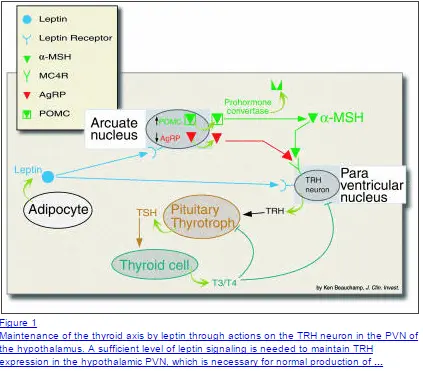
T3 has also been shown to help reduce leptin resistance (7).
This is very important because there are currently very few treatments that can help lower leptin levels.
If you aren’t aware, leptin resistance creates an environment in your body that makes weight loss almost impossible unless it is reversed.
NDT vs pure T3
What about natural desiccated thyroid hormone?
NDT is another form of thyroid hormone replacement and NDT does contain some amount of T3 in it.
1 grain of NDT contains about 38 mcg of T4 thyroid hormone and 9mcg of T3 thyroid hormone.
It also contains some other less biologically active thyroid hormones like T2.
NDT is another great thyroid hormone replacement medication but just like T4 medication, it does fall short in certain circumstances.
Because NDT is mostly T4 (about 80%) it is still subject to reverse T3 conversion and might cause issues in some patients.
In addition, certain patients may need temporary supraphysiologic doses of T3 for short periods of time to wash out the reverse T3 and reset the system.
Using higher doses of T3 during this time period or using the combination of T3 and NDT together can help overcome this issue.
It’s best to consider NDT as another potentially helpful medication, but it shouldn’t be considered the “best” thyroid medication.
SR T3 vs IR T3
T3 medication comes in two varieties:
- Immediate release T3 <— Including medications like Cytomel and Liothyronine
- Sustained released T3 <— This is a compounded medication of liothyronine (usually bound to methylcellulose)
It’s important to realize that these medications are the same in that they both contain T3 thyroid medication.
How they differ is in how quickly they are absorbed into your body.
Immediate release T3 is absorbed rapidly into the body and peaks in the serum within 2-3 hours usually.
Patients who are sensitive to T3 may develop heart palpitations or a jittery sensation around this time.
These side effects occur as a result of this rapid absorption and the sensitivity of cardiac myocytes to T3.

In your heart, T3 has a direct action on the calcium channels which causes the heart to pump harder and faster (which may lead to heart palpitations).
This is compared to other systems in the body where T3 has to directly interact with the nucleus and results in changes to genetic transcription (this process often takes weeks).
If you fall into this “sensitive” category and you are experiencing these side effects of IR T3 (heart palpitations, etc.) then in most cases simply switching from cytomel to SR T3 is enough to fix the problem.
In SR T3 formulations of T3 medication, the T3 is bound to a glue-like substance (usually methylcellulose) which delays the absorption.
This allows your body to slowly absorb T3 throughout the day and will limit the “flood” of T3 that is seen 2-3 hours after taking IR T3.
Whenever possible, my general preference is to use IR T3 over SR T3, but that isn’t always possible.
Another limiting factor that should be considered is that Cytomel and generic liothyronine both contain inactive fillers.
In some cases, patients may react to these inactive ingredients necessitating a switch from IR T3 to SR T3.
In most cases (probably approaching 70% of patients), however, patients tolerate IR formulations of T3 such as Cytomel and Liothyronine quite well.
Side effects of T3 to watch out for
The side effects of T3 come from taking too much of the medication or from inactive ingredients.
As long as you dose the medication correctly and use the proper type of T3 medication (IR vs SR T3) there are generally very few issues.
Occasionally patients may present with the following symptoms when taking T3:
- Heart palpitations
- Jittery sensation
- Increased anxiety
- Hot flashes or feelings of being warm or too hot
- Temporary increase in hair loss
- Headaches
These would be considered less serious side effects of taking T3.
If you experience any further side effects not listed here it’s best to consult with your prescribing physician.
I do want to focus on a couple of these side effects for a moment…
First is hair loss.
T3 can absolutely cause a significant but temporary increase in hair loss.
This is worth mentioning because hair IS a symptom of hypothyroidism and this side effect may be confused with worsening symptoms when in reality the opposite is true.
Remember that this hair loss is temporary and usually subsides within 2-3 months.
The next is headaches.
Unfortunately, some patients experience headaches when starting T3.
If this happens to you, the best option is to consider switching to SR T3.
Back to you
T3 thyroid medication is quite powerful and safe if used correctly.
Using T3 comes with special benefits due to how the body metabolizes and uses thyroid hormones.
In some cases, patients may require T3 in addition to their current thyroid medication (like T4 or NDT).
Most patients who stand to benefit from T3 are patients who have not felt better on other thyroid medications or patients with extreme weight loss resistance.
Use the outline above to determine if T3 might be helpful for you.
Now I want to hear from you:
Is T3 helping you with weight loss?
Have you had success with weight loss using T3 support supplements?
Is it helping you increase your body temperature or reduce the symptoms of hypothyroidism?
Why or why not?
Leave your comments below!



I’m currently taking 25mcg of Cytomel along with 50mcg of Unithroid. I had my thyroid taken out last March due to cancer. I started on 100mcg or Synthroid. I then switched to Unithroid due to cost. Since then I’ve had muscle or joint or whatever pain all over my body. My Dr. is working with me to try Cytomel. I think it’s working, not sure. My Pain is hard to deal with. Whats going on? Am I still very hypo? or is the pain from taking too much medicine? The weird thing is, I felt great right after my surgery and when I wasn’t on anyting. Why?
Laurie a Goetzinger
I’m like you thyroidectomy for cancer and suffer severe body pains ever since I started synthyroid and cytomel and no one can tell me why and Endocrinologist offer no solutions either.
Grace
I also had my thyroid removed due to cancer and felt awful on Synthroid and Cytomel (achey and flu-ish – I could barely get out of bed). Both medications have a significant amount of inactive fillers and dyes, to which some people react poorly. Once I switched to Tirosint (T4 with very minimal fillers) and compounded T3, the joint aches and flu-ish feelings completely went away. I would say that you are having some kind of reaction to the filler/dyes in the meds. I would find a endo that will switch you to the other meds.
What about the anxiety or nervousness? I have been struggling with this since starting just 5mcg of cytomel about three months ago. I have cut into half and take with meals and it seems to do better, but sometimes I have that “internal trembling” when I try to up the dose back to 5mcg. I have rechecked my labs and things are looking much better, my FT3 is finally up to 3.0 (from 2.2) and rT3 is down from 20 to 15. I am now having some return of fatigue (initially had sooo much better energy, I could get out of bed!) though and believe I may need to up the dose but don’t want the anxiety. My MD doesn’t compound it but would you think a SR type might be better? I might have to seek out another provider to follow me but it may be worth it. Your thoughts? Thanks again for all of your valuable information.
Hi Holly,
SR T3 might be worth considering, but it also might cause anxiety.
Why would it cause anxiety?
Hi Tessie,
All T3 medications (as well as most thyroid medications) can cause anxiety if they are not dosed correctly.
My doctor has agreed To raise my cytomel to 50mcg it has not helped my weight loss and I still think it is too low of a dose. I have had no side effects either.
Hi April,
Rarely does changing your thyroid dosing (even adding T3) lead to weight loss by itself. If you read my case studies you will have a better idea of what I’m talking about.
Is Topomax one of the drugs that can increase the conversion of T4 to RT3
Cytomel is shown to increase blood glucose. If I’m trying to control my BG (high end of normal), then wouldn’t the cytomel be doing more harm than good? Am currently on 5mcg of cytomel and Levo. I’m thinking of discontinuing the cytomel because of borderline high BG, now I’m not so sure. Diet and exercise are optimal, including HIIT and paleo.
Hi Cheri,
I think you are confused as to how T3 works in your body with glucose and insulin levels. I suggest reading more on the topic, you can also find relevant information on my blog.
Thanks for your response, but I find it both uninformative and dismissive. I have spent many hours perusing your blog and find no relevant information regarding the fact that cytomel is shown to raise blood glucose. An important fact if one is trying to lose weight. It’s your blog, so you can certainly respond any way you see fit, but I would have appreciated a link or some actual information addressing the issue of cytomel and blood sugar. That you choose not to provide that and rather berate my lack of knowledge makes me wonder if perhaps the makers of cytomel are offering you some consideration. Thank you.
Hi Cheri,
My comment wasn’t mean to be dismissive, it was meant to guide you into re-evaluating your current understanding of cytomel as it relates to insulin and glucose.
Just due to sheer volume to questions and emails I get on a daily basis it is impossible for me to adequately respond to every question/request. This leaves me with the option to try and answer some questions and not others, or to simply ignore them all – I choose the former.
I also do not get kickbacks from the makers of cytomel, I write about what I find interesting and what I think will be helpful.
I just stumbled upon this post.
Barbara S. Lougheed, author of ‘Tired thyroid’ does state in her book and blog (same name) that T3 causes insulin resistance.
Hi Catherine,
I don’t know who Barbara is but I can tell you that T3 does not cause insulin resistance unless you are taking way too much. If anything, it improves insulin resistance when used correctly. You can read more about that connection in the articles below:
https://www.restartmed.com/hypothyroidism-insulin-resistance/
https://www.restartmed.com/hypothyroidism-high-blood-sugar/
Dear Dr. Childs,
Just to follow-up on my previous post as well as your reply, with some additional comments which I hope can hope others who feel desperate:
Barbara S. Lougheed is a thyroid patient who switched from T4 only to NDT + T4. However, she stresses that she needs very low doses of both to feel fine, and that she felt overmedicated on NDT + T3. That is her experience, and completely valid, but that does not mean that everyone is like her.
She has written about this in her book “Tired thyroid”, which I read some time ago, and also has a blog with the same name.
I am a Hashimoto’s patient who did great on NDT for years (after suffering on levo only for ten years before that), only to notice my health take a turn for the worse after being put on short-term high steroid treatment for autoimmune encephalitis. Before I was diagnosed, my symptoms had been misdiagnosed as epilepsy, and I tried several AEDs unsuccessfully.
After weaning off the steroids, I was happy to be relieved of all neurological symptoms, only to find myself struggling with sugar cravings, weight grain (+60 lbs in four months with no change in diet or exercise routine), racing heart, high blood pressure difficult to control even with meds…I could go on and on. I was put on beta-blockers to control the latter, BTW. At the same time, NDT seemed to stop working for me. If I raised it, I got heart palpitations and other unpleasant symptoms of hyperthyroidism; yet, if I lowered it, I felt worse. I tried adding T4 to it; did not help. I tried adding T3; felt a little better, but far from optimal.
I was then diagnosed with insulin resistance (or rather, borderline D2 as fasting insulin levels were 18 and blood sugar levels 110 ref 70-105). My doctor wanted me on Metformin.
It was only after reading your blog and patient stories that I realized maybe there was more to it…my doctor, although sympathetic and helpful, had never heard of rT3 or leptin resistance. I needed to order the labs myself but, sure enough, it turned out I was both rT3 dominant and leptin resistant (as well as insulin resistant which, of course, I already knew).
I managed to get my doctor to prescribe T3 only. I was already on 3 grains of NDT at the time so just switched to 25 mcg of T3 (the only difference being that I split it in two doses instead of taking it once daily as I did with NDT, as I feel synthetic T3 affects me differently).
After only a couple of weeks, I have to say the difference has been ENORMOUS…I feel so much more energetic, my sugar cravings are down and it no longer seems I need drugs but can get along with berberine and ALA, I have lost tons of fluid and my heart rate and blood pressure are down.
I have no idea if I am one of the patients who will need to be on T3 only indefinitely, or can go back on NDT one day (I doubt I will ever feel well on T4 only), but I do know this: going off all meds containing T4, and taking T3 only for now, has saved my life and my sanity…at one point, I honestly thought I was going crazy, and doctors even wanted me on anti-anxiety drugs. Plus, after reading your blog, I now know that both beta- blockers and AEDs can cause or worsen rT3 dominance.
I wish there were more doctors like you because I know, from visiting hundreds of blogs, that hundreds of thousands of patients worldwide are suffering needlessly. At least we can be grateful for the internet because we can educate ourselves and, hopefully, our doctors…at least mine is willing to learn and admit he does not know everything!
Keep up the good work!
Hi, I’m currently taking 75 mcg’s of Levo and 25 mcg’s of Cytomel. I feel better without hot flashes anymore but feel lazy. I divide the dose of 25 mcg of Cytomel in half; morning and afternoon. I have cut my afternoon dose in half. Is this okay that I feel lazy? Thanks so much for you insight.
I would love to see what the test numbers should be for people who are already medicated, especially with NDT. I think I need more T3, but don’t know how to interpret my recent test results except to say everything is borderline near the bottom of the ranges except for the TSH, which is officially low, and the reverse T3 = 15. I’d like to be at least mid-range on my free T4 and free T3. Is that a reasonable goal?
Hi Terry,
I am creating that information and it will be available in my membership program when it’s done.
I started taking 5mcg of cytomel once a day about a month ago, and then increased to twice a day about a week ago. I have not seen/felt any positive effects of the medication yet. About how long does it take to start noticing a difference? I’m on 75 mcg of levothyroxine and cannot shed 5-10 lbs or get rid of other pesky hypo symptoms (extreme fatigue, hair loss, joint pain, etc). Thank you! I have gained a wealth of knowledge from your podcasts!
Hi Jeri,
T3 dosing guide, titration guide and lab testing will be in my membership program, but I don’t have it available yet.
That will be great.
May be you can give us your opinion about Iodine?
You can find more info regarding iodine supplementation here: https://www.restartmed.com/iodine-supplements/
Hello,
When dosing guide will be available?
Hi Yuliya,
The dosing guide can be found in the private video section of my weight loss guide.
Can your weight loss guide help diabetics?
Hi Pat,
Yes, it can work for those with diabetes and insulin resistance.
Jeri,
I had the the exact same experience and result, w/Citomel about 3 years ago. I didn’t feel any better, and noticed more symptoms like, hair loss, fybro, lethargy, and weight gain!! I went off, tried Tirosint, and the script went up to $168. for my part of the prescription, I said forget it….back to Synthroid. Nothing has changed there either…but the doc sais, least it’s not worse…..wow, what a consolation 🙁
Hello,
Firstly, I wanted to thank you for the wealth of information you’ve given! I bought your program, and an going to start it this week. I am currently on Levoxyl and Cytomel once a day, but my doctor wants n to start doubling my cytomel and take it twice a day. My question is can Levoxyl and Cytomel be taken at the same time for the morning dose? And what time is day is best for the second side of Cytomel? I asked my doctor but he did really seem to think it mattered. Also, I purchased b12 injections from you and I was wondering what the shelf life is on those?
Thank you so much!
Hi Ashley,
In terms of taking your T3 and T4 there is no “best” time to take them, what matters is finding a schedule that fits your personal schedule and that doesn’t result in heart palpitations, etc.
The B12 will last up to 120 days if refrigerated.
I’ve been on Levythyroxine for about 10 years. I finally talked my endocrinologist into giving me T3 (Cytomel). My starting blood tests showed Free T4 at 1.2 ng/dL, T3 at 76 ng/dL and a TSH of 1.14 uIu/mL. After six weeks my T3 levels went up from 76 ng/dL to 101 ng/dL. After another six weeks my T3 levels are back down to 77 ng/dL. My TSH is down to 0.78uIu/mL and my T4 is down to 1.1ng/dL. The weight is not coming off despite my best efforts. Why would the T3 number go up again when I’m following the prescribed instructions. I’m taking half of a 5MCG tablet in the morning and the other half at 2PM. When I asked my doctor about it she said “The cytomel is not reflective on the T3. The change in TSH reflects the addition of cytomel and it is mostly for you symptomatically.” I’m frustrated and confused as it’s the opposite of what I’ve been reading.
Hi Eleanor,
Your total T3 and free T3 should both go up if you are taking appropriate amounts of T3 for your body.
Cytomel caused severe insomnia for me.
Hi Sandy,
Insomnia is generally a dose dependent symptom.
Life changing!!!
Sustained Release T3 has been amazing for me after 8+ Years on Thyroxine T4 only treatment.
The only reason I found out about T3 was doing my own research & finding help from people like yourself willing to share your knowledge.
So THANK YOU!
Founder of Hashimoto’s Heroes from Australia
Hi Alison,
No problem and I hope you find it helpful.
This is exactly what I experienced. I am so happy with finally given the right medication with only T-4 for 10 years. People should do the research and find a doctor who reads the latest research and goes to newest symposiums. My doctor was great but she didn’t know about the latest research and was scared of giving me T-3. I seriously took a turn for the better with T-3 meds and feel significantly better. Best decision of my life to change doctors!
I have had Hashimotos for almost twenty years…what a rollercoaster ride! I was taking Synthroid for a long time and I was very sick. I had a nodule that was core biopsied and ultrasonically guided. A blood vessel was nicked and I developed a blood clot in my thyroid-it was difficult to swallow. I had a hysterectomy shortly after and was anemic roo. They were afraid that I had a blood cancer because my red blood cells were immature. I was napping daily and could hardly wake up at times. I was 34 years old and falling a part. Even long after my biopsy, I had a tightness in my neck and felt choked, mostly in the middle of the night. My doctor chalked it up to nerves until I went to the ER and was diagnosed with hypothyroidism. Years later not feeling well, I decided to talk my dr into letting me try Armour…Yikes! I had heart palpations and I tried to work through them for a year. My dr said I was probably sensitive to the other hormones in it. I am now taking Levo and a generic form of Cytomel. I am gluten free and so are the meds. It has made a big difference. My fingers and feet don’t feel as swollen as they used to be. No more heart palpations. My Tsh goes up and down at times, but this is so much better. I also have cleaned up my diet and try to eat real foods as much as possible. It has not been an easy journey but I have seen light at the end of the tunnel. One day at a time is my motto.
My medication made me gain weight. I started out with a functional doctor who had me on NDT. I put weight on. I then went to an Endocrinologist who took me off the NDT, put me on Levo and continued to gain weight but not as quickly. He then added t3 and I continued to lose hair and gain weight. I got fed up and went off of everything. My energy levels seem ok but I can not shed this weight which really frustrates me since I eat so healthy! Any suggestions?
Hi,
I know this is an old post, but I am reading through for myself, about T3.
What has happened to you sounds illogical.
I am wondering if there is something else wrong with you that has been missed? Even Cushing’s Disease or something else hormone-related?
I’m just a thyroid patient myself, no medical training, but I wanted to say something as I feel so sorry for all your troubles.
Daniella, x
Hi- I started synthroid (on 50 mcg) about a year ago, but couldn’t lose weight, hair loss etc.., just added low dose of cytomel (5mcg) last week in hopes that hair loss will stop, help with weight loss. Any idea how long it will be until I know if this new combination of t4/t3 is right for me?
Hi Allison,
You should know within weeks if it’s working.
Hello
I had to have my Thyroid removed and I also had a quite large goiter removed. Has this all done on 3/1/2017. I am on Synthroid 125mg and I feel like crap.Exhausted ALL the time, hair loss.I am jittery all the time and very cranky.Headaches every morning. Now, I am losing weight because I had gastric bypass surgery in Dec 2016.I have lost 85 lbs so far,With the gastric Bypass Surgery am I making enough enzymes to activate the Snythroid? Should I be taking the T3? I am so confused by all this thyroid info.
Lynn
Hi Lynn,
You might benefit from switching to something like tirosint given your bypass surgery.
Dr. Child’s, I was on 20 mcg if T3 for a month. My rT3 went down from 16 to 2. My vertigo and hair loss totally disappeared! My TSH went up to 35(!) from 0.045. My antibodies went down from 38 to 26. T3 and T4 dropped down dramatically.
I am dealing with Hashimoto for 30 years and never my TSH was 35. Can you explain to me what’s going on?
Irina
How long were you on cytomel that your symptoms disappeared? I’m on day 16 of adding cytomel to my synthroid regime. Just curious? TIA
I’m taking 120mg armour and recently had lab results of total T3 297 and 5.3 free T3, sex hormone binding globulin of 50, and TSH with reflex to FT4 is 1.62 so dr said to leave things the same. A couple of years ago she was letting me try cytomel and I was feeling so great, better than I had in all the years of taking thryoid supplements, and was losing weight so easily. But she stopped prescribing it because the T3 was too high and she felt it was dangerous. SO have not felt good for a long while again. Lots of fatigue and pain in my body but then I also have fibromyalgia and chronic fatigue and diabetes. I want to try cytomel again but since she is not comfortable with prescribing it I thought if I knew what dose of the armour or even levothyroxine would be correct with which dose of cytomel, she is usually pretty open to working with me and might let me try it if I had the information to give her. Another doctor had mentioned that it sounds like the T3 is just not getting converted or into the cells or something, yet it shows too high in lab tests. Please help me, I don’t feel I have ever gotten this problem addressed and hope that you can offer some information from the lab results I have given. Thank you. I will also try to share the article with my doctor, as well as read it again myself.
I have been taking T 3 liothyronine 7.5 mcg 12 hours apart for the last year. I cycle up dose daily until temp reaches 97.6 and then wean down slowly. I feel better overall but still cannot lose weight very well. I was at my highest weight in Jan and started your fasting protocol and lost a few pounds. I am have now plateaued. I am not sure what hat else to do. During a fasting day recently my body temp went to o 33 c.
Hi Valerie,
You will have to break through the plateau, once you do that you should be able to continue with the fasting again for more weight loss. Most people reach 2-4 plateau’s during their weight loss journey.
Hello Dr. Child’s,
Help! I am currently taking 320mcg of T3 liothyronine ( from Germany) a day (160 x 2) along with 600mg of Lopressor after having been diagnosed with Hashimotos and thyroid hormone resistance after 4 years of being on t4 thyroxine and 3 miscarriages. I gained over 60 pounds since being diagnosed. I am insulin resistant, not sure of leptin resistance. While I have had some relief from my hypothyroid symptoms, I have in fact gained weight rather than lost while being on T3. I still have a huge amount of water retention. Each time we raised the dose I would feel better for a few days and depuff, but then everything would return to hypothyroid.
I have tried to call your office to see if I can schedule a Skype consult with you, as I live in Kuwait and am desperate for help with my weight ( 260pounds now from 180) . Please, is there a way I can schedule a consult over the phone or Skype with you ASAP. I am truly desperate and have lost so much from being misdiagnosed over and over, and can’t understand why T3 hasn’t worked completely for me. Thanks very much.
Hi! I also live in the GCC and would love a consultation with Dr Childs. How can I contact him or his surgery?
I am hyperthyroid and feel bad, my muscles are weak, I have brain fog and it is a struggle to live my life. What happens if I take cytamel for example?
Sorry, I am Danish so my english can be wrong.
Hi Abelone,
This information is for those who are hypothyroid.
I am on 100 mg of T3 a day and people are saying it is why I have insulin resistance , is this true? all T4 goes to ReverseT3 because of the insulin and leptin resistance
where can you purchase SR T3 please as I would like to try instead of the liothyronine which causes heart flutters and stomach pain. can I get this anywhere online as I know my GP wont be happy to change anything. They only keep the liothyronine as its been prescribed for a number of years. thanks
Hello Dr. Child’s,
Help! I am currently taking 320mcg of T3 liothyronine ( from Germany) a day (160 x 2) along with 600mg of Lopressor after having been diagnosed with Hashimotos and thyroid hormone resistance after 4 years of being on t4 thyroxine and 3 miscarriages. I gained over 60 pounds since being diagnosed. I am insulin resistant, not sure of leptin resistance. While I have had some relief from my hypothyroid symptoms, I have in fact gained weight rather than lost while being on T3. I still have a huge amount of water retention. Each time we raised the dose I would feel better for a few days and depuff, but then everything would return to hypothyroid.
I have tried to call your office to see if I can schedule a Skype consult with you, as I live in Kuwait and am desperate for help with my weight ( 260pounds now from 180) . Please, is there a way I can schedule a consult over the phone or Skype with you ASAP. I am truly desperate and have lost so much from being misdiagnosed over and over, and can’t understand why T3 hasn’t worked completely for me. Thanks very much.
Hello dr. Childs;
Thank you for writing this information I’m sure it will help lots of people.
I am super frustrated I have been taking 150 mg NDt for almost two years and my dr.added 60 mg of T3 in addition but my temperature is still 36.2 which is up from 35.8 but I’m still not losing weight even though I have a 90% Paleo lifestyle. I have no thyroid due to thyroid cancer and I have had a hysterectomy. I’m 57 years old and frustrated can you give me any advice?
Hi Dr. Childs. Adding liothyronine 10 mcg for two months to my .88 mcg Levo actually resulted in hyperthyroid symptoms. So the ir t3 was reduced to 5 mcg. But it definitely took care of my conversion problem. Still working out some other issues, but wanted to stop by and thank you for the valuable info. It has benefited many.
80% of my thyroid removed 2009 my dr said my tsh levels were normal despite being almost in a coma after 3 years. I am covered in mucin (unpinchable fat) I started self treating with NDT 2015 i developed RT3 and went T3 only under a sympathetic endo since June 2016 i started slowly and built up to 75mcg cynomel and recently increased to 100mcg i still have chronic pain in my feet, heels, ankles and knees.For 4 months on NDT this pain went completely.
I gained 6 stone in 2 years after operation, having been previously fit, strong and slim. I ran with the army 4 nights a week. I became exercise resistant and i still am, if i do more than average day, work, dog walking, occasional swimming and gentle gardening i am floored for weeks, i have been unable despite many attempts to get back to real exercise that makes me feel good.
I lost 2 stone last year after changing to T3 only but still obese at 15 stone, i dont feel back to myself, i still struggle with pain, aching joints, weak muscles, lack motivation and sometimes chronic fatigue.
Lots of my symptoms have gone sleeping for 20 hours straight most days,shocking IBS and digestive issues, hair loss, hand co ordination, walking was painful and lack of balance. 14 day periods, internal cysts and lumps all went on NDT. Brain fog, difficulty talking, swallowing, the list was endless.
I am a million times better than i was over 2 years ago but i am still what i would consider a very ill person. Unable to plan events ahead as never know if i will cope that day, high stress levels despite working from home and resting a lot, anxiety which started before the operation.
I would like to lose the other 4 stone i gained, get back to exercise, get stronger, fitter, be excited by life.
best regards
Nicky
Hi, thank you for all your helpful info.
In the uk T3 is not easily available.
There is a supplement by Biotics research called GTA-FORTE 11
I would love to know what you think of this.
Each capsule supplies porcine glandular concentrate 20 mg, zinc 10 mg, selenium 26 mcg, copper 0.25 mg, rubidium 5 mcg, in an organic vegetable culture base containing antioxidant enzymes superoxide dismutase (SOD) and catalase (20 mcg each).
At present I am on 75 of levo.
I have been taking the GTA for the last month. One capsule in morning with food .It’s fine apart from more hair falling out !!! And memory seems not too good.
Taking it with levo. Wonder wether to cut down on it and take 2 capsules of GTA.
It was recommended by a nutritionalist.
Thank you.
I stopped taking my thyroid natural compound for two months then had a lot of blood test done. My tests results: tsh 64.500
Ft4. 0.5
Ft3 1.9
ReverseT3. 6.8
I don’t know how to judge these. Looks as though it is just the tsh which needs to be adjusted. I have just been told I have Hashimotos. I have started taking 75 synthyriod. My hair is still thinned out and I get headaches. What to do? Thank you.
Hi-did you notice hair loss/thinning on the natural thyroid compound?
I love this article! Thanks. One of the best ones I have found to help me prepare for meeting a new doctor later today – just refreshing my memory reading again. I lost my thyroid two years ago to cancer, and have had undiagnosed hashimoto’s & coeliac disease for many years. I’ll find the right balance of hormones for me & it is this sort of work that helps. T4 has helped & T3 will help more. Thanks again.
Hi Lesley,
No problem, I’m glad you found it helpful.
T3 caused my blood pressure to go up way to high… I managed 11 weeks on very low dose, each attempt to increase caused further blood pressure rises, then had to go back to NDT and blood pressure dropped to 120/70 within two days.
Hi Linda,
T3 definitely can increase blood pressure and heart rate based on how it alters calcium channels in the cardiac tissues.
Wow! What a thorough article…..the best I’ve read.
My Endocrinologist added T3 Liothyronine to my T4 back in 2014.
At the moment I have been visiting my husband in hospital for 9days and would not have coped with the strain and worry,the walking concerned in the daily visiting trips without my T3.It was like a tonic reading your article…..Thank you very much x
You’re welcome, I’m glad you found it helpful!
After 22 years of suffering on Synthroid, T3 has changed my life. I’ve had to fight for every increase in dose but am now taking 17.5 mcg daily and am finally able to function and take off some weight. I’ve been told it doesn’t matter if you take T3 with food. Is this true? I take all thyroid first thing in the morning and wait an hour to eat.
I have been taking T3 (self medicating ) for a year. On T4 my HR dropped to 40s and I became very ill. I stopped taking it. On T3 I began to feel better but it took a long time. I lost some weight and many symptoms improved. I am able to live a life now, my HR is in the 80s. However I am beginning to get short of breath again as with T4 and have palpitations and HR erratic for the last month or so. I take 47 mcg of T3. My legs are very swollen. I feel I am undermedicating but dare not increase the dose. Do you have any ideas please?
Hi Sue,
You should have your heart evaluated and have your thyroid blood levels evaluated as well.
Hello. Very interesting article, thank you very much! I live in France and after much research on my part and some negotiation with my endo he has put me on a medication called Euthyral which contains 100mcg T4 and 20mcg T3. I had previously been on 100mcg T4 only. The tablets are only available here in this one dosage which I found a little too much, (I was aware of my heart beating more strongly), so I break them and take 3/4 of a tablet each day. I feel much better! More of my research came across the RT3 problem. My endo told me it was something that couldn’t be tested for but I chose not to argue. Of course I had the classic weight gain around the waist and was using a version of the 5:2 diet that extends periods between eating each day. Having a family makes the standard 5:2 too difficult to manage. However I think that the periods when I was feeling hungry were perhaps causing an increase in RT3 and the weight wasn’t moving after an initial success of about 3 lbs so now I snack on nuts or cheese to prevent this. Weight is finally creeping down.
Please help me. I have decreased my thyroid oroxine meducation from 150 every day to 3 days 150 4 days 100. Although I’ve been watching my diet very closely I am putting on weight weekly this is very depressing and frustrating.
If I ask the Dr for T3 will it help me ?
I also have a small heart pill for affribulation and blood pressure.
I work out at the gym regularly and lift weight. The problem with taking t3 is that it reduces my strength and makes me feel weak even at only 5 mcg.
My new doctor took me of Iodine and zing. Didn’t give me RT3 test.
Told me to take t3 an hour before my test.
I know I should leave but I need a doctor!
I live in Huntington Beach Ca. Any doctor you know in Orange county?
Hi Tammy,
I don’t know anyone in that area, unfortunately.
Dear Dr. Child,
Last night I wrote more details about my Doctor, it disappeared. Its actually important to know when to take the medications on
the day of lab.
My doctor claims that since t3 has a short life I cant stop taking
it 12-19 hours before the test as it will not be accurate.
I didn’t want to go against him and took 5 mcg (instead of 10 mcg}
Of course the results are not accurate. Even though my T3 was high 4.3 and t4 0.1 he raised my T3.
I had RAI,cant convert T4 to T3 has colon inflammation,High Rt3 and more.
I cant understand his act.Do you have an explanation to that?
Hi I live in Dallas tsh is normal but dr wants to put me on 25mg levothyroxine. I have nodules on both sides of thyroid gland.
Should I request for NDTS and T3 or only go fir T3.
Since I am on a clean slate just do t want to come tai ate my system with different things.
I will also be doing a 7 day colon cleanse and 10 day Li er flush before I start any MEDS. What fo you think
Also could you recommend a like minded dr in Dallas . I would like a second opinion as my dr was quite dismissive of me.
Hi Titi,
Unfortunately I don’t have anyone to refer you to in that area. I’m sure there are other physicians I just don’t know them personally.
Dr. Childs,
Do you do skype sessions for patients living outside of Arizona?
Hi Galina,
Currently Dr. Childs has a full patient panel and is not accepting patients.
Hi I had a total thyroidectomy in February 2016. I am taking 2 grains of armour thyroid. These are my latest lab results: TSH .04 .28-4.1, FT4.74 .61-1.64, TOTAL T3 107 87-178, FT3 3.1 2.3-4.2, RT3 18 8-25. I’m not feeling well. In this case would you slowly add in t3 medication or would you lower my NDT and add t3 to lower reverse t3?
Thanks
Hi Chrissy,
It’s hard to say without knowing exactly what symptoms you are experiencing. For instance, you can not feel well if your dose is too high or too low, so you need to tease out which it is. Labs don’t always tell this story very well.
Sibo,candida kreusi, leaky gut and hypo symptoms, ALL OF THEM. High cortiosl and high RT3. Dr has me on T3 and WP thyroid, treating for sibo and candida. Still so very overweight and swollen. Face and hands are so swollen. Can you please take on just one more patient ? 🙂 Miracles happen everyday. SOmething is missing and I know you can find it. I want to enjoy my family and my life again. You are so knowledgeable and I feel like this would be easy for you to detect. Been like this for 8 years now.
Thanks so much
After showing my NP your site I finally got some lab results that seem to explain why I feel low energy and have joint pain. I had my thyroid removed 15 years ago and have taken levothyroxine since then. My TSH has always been very low since, around .1. Doctors do not like this and always want to lower my dose to where I feel terrible (headaches & depression result). My Free T3 is now 3.0 (2.3-4.2)which seems real normal BUT thanks to you, for the first time in 15 years I have learned that my Reverse T3 is 34 (8-25) and so I now know the reason for my chronic fatigue and joint inflammation. Also, I have TPO antibodies of 62 (<9 is normal). I have now switched to NDT and feel basically no changes after two weeks. Zero heart reactions, actually my headaches and sleep issues did go away. But I think I will need a more T3 concentrated thyroid replacement to "flush" my Reverse T3 levels. What would you recommend? I have no weight issues, I'm 53, weight 129, 5'4" and otherwise super healthy vegan. Also, is it possible that the high Reverse T3 is what gives me a low TSH, even though my Free T3, Free T4, and Total T3 are all normal?
Hi Dr. Childs,
Very useful information on thyroid treatment. I have researched hypothyroidism for the last 6 years and, along with two co-authors ended up writing a paper about Diagnosing and Treating Hypothyroidism: A Patient’s Perspective. The paper is written to be easily understood by patients so that they can recognize if they are not being adequately tested and treated. Then the paper provides extensive discussion and scientific evidence that can assure doctors of the benefit of combining clinical treatment with biochemical testing. I see the problem for both of us as being how to get this type of information accepted and utilized by doctors who currently have the “Immaculate TSH Belief” and use “Reference Range Endocrinology”, instead of clinical evaluation and treatment. I have tried to get the AACE/ATA to reconsider their published guidelines, but they are dug in and oppose any changes because they say their recommendations are evidence based. Yet, extensive evaluation of existing scientific evidence would lead to different testing and treatment practices. I have also unsuccessfully tried other avenues as well. Do you have any suggestions for how to get this kind of info accepted by the medical community, so that it could become the standard of care and improve the lives of multiple millions of people both here and abroad with undiagnosed/inadequately treated hypothyroidism? Without such a change, I am afraid we both will end up affecting only a few people at a time, when they happen upon our websites, and this enormous problem will continue essentially unabated.
Thanks very much.
Hi Mel,
I don’t really see a way to change the standard of care. I know what physicians are like and I can confidently suggest that they really aren’t interested in change. Thyroid disease is low on the radar in terms of importance compared to other diseases such as cancer or heart disease. While it obviously impacts many people, the thing that moves the needle most is mortality – not morbidity. And our current stand of care as it relates to hypothyroidism results mostly in an increase in morbidity, not mortality.
Dr. Childs,
I understand what you are saying. It is a sad commentary on the state of medical practice, when hypothyroidism is the number one endocrine system problem that very likely affects far more than the 9 % recognized in the NHANES III study, which was based on TSH results only. In addition, undiagnosed and inadequately treated hypothyroidism leads to far more serious and costly ailments, including cardiac conditions.
Do you think doctors are just unaware of the inadequacy of the current standard of care for hypothyroidism that they were taught in med school? Or do you think that doctors realize the inadequacies of the current standard of care, but are just not going to change, for a variety of reasons? I’d like to think that the majority would consider change if authoritative sources made them aware of a better approach using clinical evaluation combined with biochemical tests. The current AACE/ATA Guidelines for Hypothyroidism do not preclude that approach, but instead emphasize diagnosis and treatment based on TSH and lab reference ranges, which does not work for most people, and which can be discounted with extensive scientific evidence. So I’ll continue to look for ways to get the right info to people and try to change the system.
Along that line, I’d appreciate your thoughts on how med schools determine what is taught as the standard of care for hypothyroidism, and what medical text(s) are used? I tried to find out about all that from a local Univ., and was rebuffed like it was something I should not be asking about. LOL
Thanks again.
Dear Mel, I’ve been in Thyroid treatment for Grave’s Disease for 20 years now and like you have studied a lot. Here is a question I currently have related to the big TSH testing issue. They lowered my levothyroxine dose, my T4 dropped, my free T3 dropped AND my TSH went down from .3 to .1! Now this is totally contradictory to their theory that when one rises the other falls! Now I find out for the first time that my Reverse T3 is extreme high (34) and I am wondering if this number is what holds my TSH so low when all the others, free T4, free T3 and total T3 are normal and in range. Can either you or Dr. Childs please tell me if a high Reverse T3 will suppress the TSH? It seems for me like that is what is happening.
Hi Sheriann,
Taking thyroid hormone will drop the TSH provided that it is absorbed into the system and gets into the blood stream, this really isn’t up for debate. The debate stems from whether or not this thyroid hormone gets to all tissues equally and whether or not TSH is a good marker for that phenomenon.
Reverse T3 should not alter your TSH.
Hi Mel,
Doctors might consider changing how they practice if that practice didn’t increase their risk of litigation, but as it stands now there’s very little to gain and potentially a lot to lose if you are practicing in an alternative way. Even though most physicians would likely be willing to change how they practice if they knew a better option existed, they wouldn’t do it because of the reasons listed above.
I would also point out that at this point I think patient advocacy groups have likely done more harm than good for their cause. Most physicians have now created a defense barrier to those patients who ask for various testing or believe they know more than their physician, this only leads to those physicians digging themselves even deeper into their conventional thought process and creates more resistance. This in turn leads to more advocacy groups and the cycle continues.
Practicing physicians usually teach the clinical courses in medical school, so the clinical aspect is always whatever the current standard of care is. And medical school is meant to provide a general background to each specialty so the depth of each subject is somewhat limited due to time constraints.
Dr. Childs,
Thanks for taking up your valuable time answering these questions. I promise this is the last.
The alternative approach that is recommended in the paper I mentioned is not inconsistent with that of many Integrative doctors, as well as some Holistic and Naturopathic doctors. And you also don’t seem to consistently follow the existing standard of care, or else your patients would not be so pleased with you. After all, two surveys showed that 50% and 75% of hypothyroid patients are not satisfied with their treatment.
So I fail to see why change would cause concern about litigation. To the contrary it seems to me that continuing with the existing standard of care, which can so easily be proved inadequate, would be a lot greater jeopardy for those doctors, and the organizations to which they belong. Not to speak of all the dissatisfied patients who continue to suffer with hypo symptoms and related other maladies that result longer term from inadequate treatment.
Thanks again.
Hi Dr. Childs,
In what doses do you recommend t3 medications? Also, in about what amount of time will results or no results be seen to see if the medication is effective?
Thanks!!
Hi Natalie,
I don’t really go into detail about T3 dosing in these posts but I do have a video about how to do it properly in my weight loss guide.
I don’t where to post this question. My son has requested that I receive a Dtap shot. His first child is due any day and that’s what his physican is recommending. I have Hashimotos and Hypothyroidism. Will that shot compromise my health? What are your thoughts on this?
I am a 48 year old female and I had my thryroid removed due to a large (non cancerous)goiter. I have struggled with my weight ever since. I am currently at 180 lbs and am 5′. My physician has had me on Levothyroxine 137mg and 6 months ago lowered my dosage to 125mg based solely on my lab results. I have gained 15-20 lbs in the past 6 months alone. I have told him that I continue to have weight gain, hair loss, fatigue & am cold all the time. I just had my blood drawn again(my results were: TSH .5210 Free T3 2.16 Free T4 1.39) I & have an appointment to see my doctor on June 23rd. I would really like my physician to work with me, but wanted to go armed with as much knowledge as possible when I see him. I copied your “How to Know if you need T3 thyroid medication”-anything else I should ask for or say? Any suggestions from you would be most helpful!
I had a Total Thyroidectomy in May 2017 due to Graves. I am currently on Tirosint only. My TSH is still suppressed (slightly) and in an effort to bring it up, my Endocrinologist keeps wanting to lower my Tirosint dose. This is causing my T3 to drop (I feel best w/ it in the mid-3’s). Currently, it is at 2.7 (T4 1.51). I want to add T3, my endocrinologist refuses. She suggests NDT, which I do not want to take (bad previous experience and increase in antibodies). I have a functional medicine doctor willing to prescribe it…my question: Can you take Cytomel/T3 on alternating days? I’ve taken it before and the effects of 5mcg/daily were pretty strong (for me) but I also had a thyroid + active Graves + Hashimotos (fluctuating). Without a thyroid — Will there be benefits to adding it a few days a week only since it is so short-acting?
I had my doctor switch me to the Nature-throid a few months ago and I have slowly increased it and now I am on 81.25. Over the last couple of months I have been experiencing heart palpitations, sudden sweating, flush, nausea. I have had levels checked and I now have high tsh, high t3 and still low t4. My doctor wants to switch me back to synthroid but I’m not sure thats going to fix my issues. Any guidance you can offer is appreciated as she is not formula with Nature-throid. Thanks
I want to try T3 with my Levothyroxine because My T4 levels are on the higher normal range but my T3 is barely in the nornal range therefore I am not converting well. I am on 100mcg Levo and have bought Tiromel T3. How much should I supplement with the T3 without elevating my T4 any further? I am particularly interested for weight loss and brain fog relief which had only occurred since being on Levo only for quite some time. Often I feel like I am wading through treacle with my head and body. I used to be very fit and slim. It’s an uphill battle with no support from my GP (I am UK based). Any advice re dosage advice would be greatly appreciated.
Hi Carole,
You can find more information in the private video section of my weight loss guide here: https://www.restartmed.com/hormone-mastery/