- Zinc and selenium deficiencies are extremely common in thyroid patients, with up to 40% deficient in zinc and 50% in selenium. Correcting these deficiencies can directly boost your free T3 levels and even lower your TSH.
- About 20% of your T4 to T3 conversion happens in your gut, so improving your gut health through diet changes, probiotics, and prebiotics can meaningfully increase your T3 without medication.
- Your liver handles up to 60% of T4 to T3 conversion, making it the most important organ for T3 production. Ask your doctor to check your AST and ALT levels, and aim for values under 20 for optimal thyroid function.
- High reverse T3 acts as a direct blocker of free T3 in your body. You can lower it through T3 medications, moderate-intensity exercise, and making sure you are eating enough calories.
- Natural therapies like adaptogens, iodine in the 150-300 mcg range, and iron optimization should be tried first, but if your T3 remains low, T3-containing medications like Cytomel, liothyronine, or NDT formulations are effective next steps.
Your T3 level is probably the single most important measure of thyroid function, more important than even the TSH.
Why?
Because it represents the amount of active thyroid hormone in your body.
The more of it you have, the better you will feel.
This then begs the question:
Can you personally do anything to influence your T3 level?
Absolutely.
And today we are going to talk about how to do just that with the use of some natural treatments.
Let’s jump in:
#1. Take Zinc and Selenium
There are a ton of different vitamins and minerals that your body needs for optimal thyroid function but few are more important for T3 than zinc and selenium.
In a world where the soil is depleted of nutrients (1) and where we often eat unhealthy and processed foods (2), there’s a very high chance your diet isn’t providing enough of either.
And the research supports this.
According to the data, approximately 20-40% of hypothyroid patients are deficient in zinc and 30-50% are deficient in selenium.
This means that about 4 out of 10 thyroid patients reading this fall into one or both of these groups.
And that’s exactly why we are talking about them today.
Both of these essential minerals act as cofactors for the enzymes that your body uses to convert T4 thyroid hormone into T3 thyroid hormone (3).
If you are deficient in either then these enzymes still work, but they work less efficiently.
In a practical sense, what that means for you is that you will be creating less than T3 than you would otherwise.
How big of an impact do they have on your T3 level?
That depends on the person, but it can range from mild to severe.
To illustrate this fact, we can look at some studies.
One in particular looked at overweight women with hypothyroidism (4) and found that replacing low zinc not only increased free T3 levels but also helped reduce TSH.
The only catch here is that in order to see these pro-thyroid benefits when taking zinc, you need to be deficient.
In other words, taking them when you aren’t may not provide the boost to T3 seen in this study.
But given that such a high percentage of hypothyroid patients are deficient in them, as we already discussed, the chances are high that you will see some benefit if you do.

If you determine that you’d like to try one or both of these minerals, here’s what you need to know:
Not all forms of zinc and selenium are ideal for thyroid patients and not all supplements are dosed appropriately.
As someone with a thyroid problem, here’s what you want to look for:
- Zinc – Look for zinc as zinc chelate, zinc monomethionine, zinc gluconate, zinc acetate, or zinc citrate. Avoid all other forms as they are inferior to those just listed. As far as dosing is concerned, you only need 5-15 mg in any given serving as higher doses tend to cause GI distress and will not be absorbed anyway.
- Selenium – Look for selenium as selenomethionine or selenium glycinate complex. As far as dosing is concerned, you won’t need more than 50 to 150 mcg per serving. Some people will advise thyroid patients to use higher doses (as high as 400 to 500 mcg per day) but these higher doses increase your risk of selenium toxicity and provide diminishing returns.
And by the way, if you’re going to take one, you might as well take the other given that deficiencies often coexist with one another.
For that reason, this is my recommended supplement for thyroid patients.
It comes with both ingredients and has the right formulation and dose of each.
#2. Improve Your Gut Health
As a thyroid patient, you should care about your gut health for one important reason:
Approximately 20% of T4 to T3 conversion occurs there (5).
This means if you have intestinal problems or symptoms your ability to create T3 will be impaired.
This impairment may not be as significant as what happens if you are deficient in zinc or selenium, but 20% is nothing to scoff at either.
And given that your thyroid has a direct impact on gut health, through its impact on stomach acid (6) and peristalsis (7), there’s a very high chance that you are not creating as much T3 there as you should be.
This means that improving your gut health is one quick way to potentially increase your T3 level by a significant margin.
But how do you do that?
There are many ways, but my preferred method is through your diet.
If you follow my dietary recommendations for improving thyroid function, then you will not only improve your gut health, but you will also improve your thyroid at the same time.
This strategy works for most people because as your gut heals, your thyroid function will increase, which will further improve your gut health, which will then further increase thyroid function. And so on and so on.
But there will be some people who need more targeted gut health treatments like the use of probiotics, prebiotics, antifungals, and even antibiotics.
No matter what, though, changing your diet will improve your gut health and is always the first step.
#3. Reduce Reverse T3
In case this is the first time you’re hearing about reverse T3, let me fill you in on the basics:
Reverse T3 is an anti-thyroid metabolite that competes with T3 (8).
The more reverse T3 you have in your body, the less active your free T3 will be.
So if you want to banish your thyroid symptoms, you want your free T3 to be as high as possible and your reverse T3 to be as low as possible.
For this reason, it’s important to not only optimize your free T3, but your reverse T3 as well.
For most people, this just means keeping an eye on your reverse T3 level with some simple blood tests.
While this test is simple to interpret, it can be difficult to obtain as most physicians are unaware that it even exists.
So you will most likely need to ask for it by name.
As far as interpretation goes, you want your reverse T3 level to be less than 15 ng/dL.
Anything higher is a very likely indicator that your body is preferentially creating reverse T3 instead of T3.
The good news is you can push down that reverse T3 level with some specific treatments including:
- The use of T3-only medications like liothyronine or Cytomel – Nothing will push down your reverse T3 faster than the use of these medications. While they are the most effective treatment, they are also the most difficult to get, especially in any meaningful dose. But if you have access to them, they are definitely the way to go.
- The use of intermediate-intensity exercise – Research shows that you can improve your T3 level by exercising at the right intensity. If the intensity is too high, it can actually hurt your T3 and if it’s too low, it just won’t have any impact at all. For optimal T3 function, exercise that pushes your heart rate to 50-70% of the maximum is ideal.
- And eating enough calories – Calorie restriction is a powerful signal to the body to create more reverse T3, but you can fight this by simply eating enough. It sounds simple but so many thyroid patients starve themselves in an effort to lose weight which, unfortunately, only serves to make their thyroid worse in the long run.
#4. Check Your Liver
Remember when I told you that 20% of your thyroid is activated and converted in the gut?
Well, even more is converted in your liver. And I mean a lot more.
Some estimates put it as high as 60% (9).
This makes your liver the most important organ for ensuring optimal T3.
And, unfortunately, liver dysfunction is very common among thyroid patients.
Research indicates that approximately 20-50% of hypothyroid patients have some level of liver dysfunction from non-alcoholic fatty liver disease.
Compared to the average population, which is set around 25-30%, this is up to 20% higher, depending on which study you look at.
And this dysfunction in liver health absolutely impacts thyroid health!
What makes this condition even more sinister is that it often goes undiagnosed until there is significant liver damage.
This means there’s a very high chance that you are walking around with some level of fatty liver without realizing it.
One of the easiest ways to test for this is with simple liver function tests.
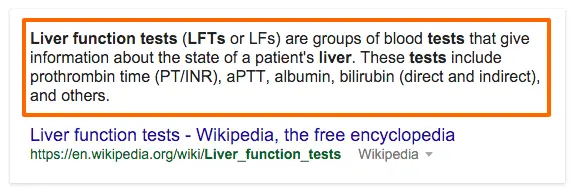
These tests assess the level of liver enzymes in your blood, which can be used as a marker of overall liver health.
As a thyroid patient, it’s critical to keep an eye on your liver, just like you would keep an eye on your thyroid.
So the next time you get your thyroid tested, make sure your doctor is also testing your liver.
The two tests you want to get are AST and ALT. For optimal T3 status, you want both of these values to be less than 20.
If you find that your liver function tests are even slightly elevated, then you will need further evaluation to find the cause.
For most thyroid patients, the underlying cause will be insulin resistance.
And just like gut health, changing your diet to improve your thyroid will also improve your insulin status, which will almost always improve your liver.
To give you an idea of just how important this one is, you should know that optimizing your liver function will probably result in the highest increase in T3 compared to any other therapy we’ve discussed so far.
#5. Check Your Iron & Ferritin
Iron deficiency is a problem that you may not connect to your T3 level, but it’s more important than you probably realize.
Inside your thyroid, the enzyme thyroid peroxidase uses iron as a cofactor to create both T4 and T3.
If you don’t have enough iron, then the creation of both hormones will be compromised.
While it is true that iron deficiency is not as common as some of the other problems we’ve discussed so far, it’s still very important because iron deficiency is often missed by doctors and can cause confusion when someone is trying to optimize their thyroid.
To make matters worse, you don’t need to be grossly deficient in iron for it to impact your thyroid.
So it may very well be the case that you are walking around with a “low-normal” iron level that is negatively impacting your T3.
You can test for this by looking at both your serum iron level as well as your ferritin level.
Your serum iron tells you how much iron is in your blood while your ferritin is a marker of iron storage in the body.
A common scenario that I see among thyroid patients is one where their serum iron level is normal but their serum ferritin is low.
But just having a low ferritin is enough to compromise T3 and should be treated.
For optimal T3, you want your ferritin to be in the range of 40-60 ng/mL (10).
If either is low, you can replace them with the use of over-the-counter iron-containing supplements.
But a word of warning:
Do not take iron unless you need it! Always test first as taking too much iron can make your thyroid worse and cause other problems.
#6. Take an Adaptogen
Another way to improve your T3 status is through the use of adrenal adaptogens.
These natural botanical-based compounds help your body adapt to and manage stress.
And as far as your thyroid is concerned, stress is a killer of T3 levels.
The more stress you are under, the more cortisol will be released from your adrenal glands.
If released in excess amounts, as in times of chronic stress, cortisol will reduce T3 levels by blunting T4 to T3 conversion (11).
Adrenal adaptogens like rhodiola, ashwagandha, and maca root, fight this effect by normalizing cortisol.
A little bit of stress is actually healthy, but you can tell if your stress is starting to impact your T3 level because you’ll experience these symptoms:
- Fatigue even after a good night’s rest
- The sensation of feeling wired but tired
- Reliance upon caffeine and sugar as a way to temporarily boost your energy
- And both high and low energy at the wrong times of the day
If you have these symptoms, then it’s probably time to consider taking an adaptogen.
Each adaptogen has a slightly different benefit on top of its ability to regulate cortisol so you can match the adaptogen to your specific needs.
For instance, maca root will help with energy, but also sex hormones and libido.
So if you have low energy and a low sex drive, this is probably your best option.
Ashwagandha, on the other hand, is great for both energy and weight loss.
So if you need more energy and you’re overweight, this is probably your best option.
Rhodiola, another adaptogen, will help with energy and mood.
So if you have low energy and you’re feeling depressed or anxious, this is a great option.
#7. Take Iodine
Iodine intake seems to always be controversial, but it doesn’t have to be.
Here’s what we know about iodine and T3:
Because iodine forms an essential component of the T3 hormone, iodine deficiency impairs its production.
In terms of magnitude, this one is huge.
Your body can get by with a suboptimal level of zinc and selenium, you just might feel a little run down.
But if you don’t have enough iodine, you will experience huge problems.
Whether it’s a physical change to the size of your thyroid gland (goiter) or a gross decline in thyroid hormone production (iodine-induced hypothyroidism), iodine deficiency isn’t going unnoticed.
So the real question is less about whether or not iodine is important for T3 levels and more about whether or not you need more of it.
Unfortunately, that data is about as clear as mud (12).
So instead of diving into the controversies of iodine intake, here’s what I can tell you:
Research has shown that iodine intake in the range of 150 mcg to 300 mcg per day is quite safe.
And taking iodine in this range will ensure that your thyroid has what it needs to create enough T3 without increasing your risk of iodine-induced thyroid problems like autoimmune thyroid disease.
Some people feel better when taking more, but I would caution against this approach as the pros do not outweigh the risks.
Likewise, minimizing your intake of iodine may improve your thyroid function if you were previously taking too much, but that makes the big assumption that you were overconsuming it, which may or may not be true.
So far, maximizing the benefits while minimizing the risks, stick to 150-300 mcg per day.
The best way to do this is through supplementation because iodine concentration in foods can vary dramatically.
If you want to get exactly the amount of iodine you need, then check out this supplement.
When Should You Use T3 Medication?
What if you’ve tried these therapies before and they haven’t worked?
What are you supposed to do then?
If you’ve reached this point then it may be time to consider the use of T3 thyroid-containing medication.
Up until this point, we’ve talked about a whole bunch of natural treatments that can help your thyroid produce more T3 on its own.
But there’s another way to get T3:
Take more of that thyroid hormone directly.
T3 is found in several thyroid prescription medications including:
- Cytomel & Liothyronine – These medications are considered T3-only and do not contain T4. Liothyronine is considered the generic and Cytomel is considered the brand name.
- Compounded Sustained Release T3 – This formulation of T3 is the only sustained-release version of T3 and is only available through a compounding pharmacy.
- And NDT formulations (Armour Thyroid & NP Thyroid) – NDT formulations contain a combination of T4 and T3 thyroid hormones.
Some people get angry because I spend so much time talking about natural therapies instead of the prescription option, but there’s a reason for it:
The natural option is always preferred because it’s far better to support the natural production of T3 than it is to take exogenous T3.
It’s not that taking T3-containing medications is harmful, but, like any medication, they do carry risks, they can be difficult to obtain, and they can be expensive.
So why wouldn’t you at least try the natural option first before entertaining the prescription route?
That’s my philosophy, but you can choose whatever option suits you best.
By the way, if you are someone who likes the idea of taking control of your thyroid through natural treatments then I’d recommend checking out this article next.
Scientific References
#1. https://www.ncbi.nlm.nih.gov/pubmed/14653505
#2. https://www.ncbi.nlm.nih.gov/pmc/articles/PMC3403271/
#3. https://pubmed.ncbi.nlm.nih.gov/11215512/
#4. https://pubmed.ncbi.nlm.nih.gov/25758370/
#5. https://www.sciencedirect.com/science/article/pii/0024320589901793
#6. https://www.ncbi.nlm.nih.gov/pubmed/7435122
#7. https://www.ncbi.nlm.nih.gov/pmc/articles/PMC2833301/
#8. https://www.ncbi.nlm.nih.gov/pmc/articles/PMC5075641/
#9. https://www.ncbi.nlm.nih.gov/pubmed/6313798
#10. https://pubmed.ncbi.nlm.nih.gov/12463104/
#11. https://www.ncbi.nlm.nih.gov/pmc/articles/PMC8109250/
#12. https://www.ncbi.nlm.nih.gov/pmc/articles/PMC9816468/


So it’s possible to elevate just t3 and free t3 without medication? All other thryoid tests are in the functionally optimal range just free t3 is super low 2.2 so I feel every symptom on hypo. No anytibodies. But yes, I have low sex hormones, amenorrhea, and adrenal fatigue. All tested. So over time if I do these steps and eat well, I can elevate t3 without medication?
Thanks for a very informative article!
I have fairly low free T3:
TSH: 1.70
T3: 2.4 (2.3-4.2). It has always been at or below the lower reference value, once as low as 1.2.
T4: 1.4 (0.8 – 1.8)
Given the importance of proper thyroid function, I would like to increase my free T3 levels (preferably naturally, but using drug if required).
I believe increasing free T3 would lower my fairly high cholesterol some (TC 260) and allow me to do ketogenic diets without my TC soaring to ~400. A ketogenic diet would help lower my blood sugar (I am pre-diabetic, fasting BG ~102, A1C 5.6). I am skinny (BMI 20.5), just not producing quite enough insulin.
My diet is pretty healthy (no gluten, processed food, vegetable oils, etc.), lots of vegetables every day with some poultry or fish.
Do you have recommendations / pointers for improving my free T3?
Thanks.
I was just recently diagnosed with hypothyroidism last week. My TSH is 9.54. My doctor agreed to let me try a natural approach for 8 weeks before retesting. I had been told L-tyrosine would be beneficial and have been taking it for a few days but further research makes me concerned about side effects. Should I discontinue its use? I am also slightly anemic (taking iron ). Other supplements added to my routine are ashwaghanda, B-complex, 2 Brazil nuts for Selenium, D3, a good probiotic. Considering adding zinc as well.
Hello, does this still apply if I had graves for years and then RAI sent me into Hypo. Docs keep thinking I am over medicated because of my TSH, but I still feel sick and better on a higher dose of medication. I am at my wits end with this. I went from 180 mg to 75 and my TSH hasn’t changed much at all. I have done everything from cutting all grains, dairy and sugar from my diet, I exercise everyday and still can’t get the weight off. I am now pre-diabetic (diabetes doesn’t run in my family) and they don’t understand that I wouldn’t be if I could lose this weight I wouldn’t have this issue. I am struggling really hard just to maintain where I am currently without gaining weight. I weigh more now then I did 9 mon. pregnant and with nothing to show for it. Please help!
Good Morning,
I have been on WP Thyroid for about 2 years. My numbers “look normal” according to my doctor, but I don’t feel good whatsoever (or like my old self). Still debilitating tiredness, irritability, athletic stamina very much decreased, feel out of it, etc. I just had another blood test that said my B6 levels were elevated, my free T4 was low, TSH was normal, and free T3 was “normal” (not in the upper 1/3 though). I also have extremely elevated Epstein Barr levels right now even though I had mono several years ago. Any thoughts? I have taken all of the supplements in the books and seen several holistic doctors/DO’s. Would adding Cytomel to my WP Thyroid potentially help? I have adjusted my WP Thyroid to a higher dosage with no help whatsoever. I have also tried to eat gluten free, no sugar, etc.
Thank you!
Hi,
I was diagnosed with Hashimoto’s late last year. I am apparently sub-clinical, not requiring medication even though my symptoms are out of control. Although I convinced my doctor to put me on something to help with the Symptoms. He put me on Eutroxsig 50mcg on Mondays, Wednesdays and Fridays.
This helps a little.
I sleep 9hrs most nights and I need at least a 3-5hr nap during the day just to function. I have put on 20kgs of weight in the last 2-3 months without changing diet and mostly on my abdomen. Extreme sensitivity to the cold, mental fogginess and poor memory being just some of the symptoms.
My doctor wants to take me off the Eutroxsig since my numbers are “normal”. but everytime he takes me off them my symptoms get worse and I end up begging to put on them again.
I have gone gluten, dairy and soy free because I have heard that this helps. But have yet to see an improvement. I am on an Iodine solution to help with my moderate Iodine deficiency and am now considered not to have a deficiency. This had in no way improved my condition.
Both of my FT3 and FT4 are in the bottom range of normal. convincing my doctor to do a reverse T3 test is impossible. He says that it is not needed and keeps saying that my TSH is with in normal range so I don’t need medication and everything is fine.
Should I find a new GP that knows more about Thyroid conditions? should I request to see an Endocrinologist?
I’m at a lost as to what to do.
Please HELP!!
Brought my 20 year old son to a new doctor. He thinks all labs are ok aside from elevated RT3 but I don’t think that’s true.
TSH .87 (.4-4.5)
Free T3 3.0 (3.0-4.7) Should be 4.275?
Free T4 1.5 (.8-1.4)
RT3 18 (8-25)
Seems to me he is having a conversion problem, can you confirm this thought)?
Hi,
I am already taking zinc supplements. But there are so many forms of zinc like gluconate it is confusing which one to take. Which form of zinc do you recommend and what is the dosage?
Hi,
You say that optimal ranges listed don’t apply if on medication.
How can I interpret my labs while on medication?
TSH, T4 & T3 are all low, T3 almost never changes (2.4) even if the others do.
Hi Margie,
Yes, that is correct – once you introduce thyroid medication into your blood stream you are manipulating serum thyroid hormone levels which makes them more difficult to interpret. I have not discussed the interpretation of thyroid lab tests while taking thyroid medication on my blog yet but it’s on the list for future posts.
I was taking Eutirox (levothyroxin) of 75mcgfor long time and I was doing perfect. 4 months ago I started taking generic levothyroxin and also started working as a teacher. It has been the most stressful 4 months of my entire life (Iโm 31) I got my labs done and it shows I have low t3 levels, I have gained like 10 lbs in 4 months and while being on a Ketogenic diet I have not lost any weight, just gained. I have acne in my jawline and headaches everyday. My family dr put me in Armour 30mg a week ago. Should I request more lab tests to se other hormone levels, my dr said my cortisol is normal. Please if you can guide me in what to do. Thank you
I was born with no thyroid gland at all and I haven’t taken my levothroxin in months. I grew up on Armour since they found out at 3 months old that I didn’t have a thyroid. I don’t like the levothroxin and can’t afford the Armour. I want to treat my hypothyroidism all naturally. I was currently on 300mcg. Please help me accomplish this goal. Sincerely, Jean Stroman
Hi Jean,
It’s not a good idea to stop taking your thyroid medication if you do not have a thyroid gland as it may lead to very severe consequences. You can use therapies to boost thyroid function naturally, but if you don’t have a thyroid gland you need to get your thyroid hormone from some source and thyroid hormone is required for life. Lack of thyroid hormone period may lead to coma and death.
Dr. Childs very helpful article. In 2015 I switched to a strict ketogenic lifestyle and although I love this way of eating, in the past year my body has put on weight (despite consistent eating habits and exercise). I suspected a thyroid relation and the first sign was low T3. Then I noticed a gradual shift in tsh from a baseline of 0.55 to 0.86 and a few months past at 1.47. The weight gain is the biggest indicator because I’ve never had my weightloss efforts go unnoticed and no matter what I’ve tried, no avail. I am taking your recommendation and seeing a new doctor to test for rt3. It’s worth looking into. If an elevated rt3 is the issue, would a diet change correct it (considering it was a diet that brought me here)? Thank you Dr. Childs.
Hi Marine,
It’s possible to improve thyroid function through dietary changes alone provided the reason for thyroid dysfunction was secondary to diet to begin with. Many times, however, thyroid dysfunction results in other issues that may not be reversed with diet alone – so it just depends on the situation!
Are you familiar with Wilson’s Temperature Syndrome? http://www.wilsonssyndrome.com
He talks about T3, and has tons of resources for physicians and patients. Wilson’s Syndrome is people who have symptoms of thyroid issues yet normal thyroid blood tests; and the main symptom is low body temperature consistently (around 97.8 or lower).
Hey doc!
Thank you for sharing all this information, hormones are so delicate and few doctors know how to look at the big picture and interpret it correctly.
I had a baby 2.4 years ago, got an IUD, took it out after 9 months because it was horrible and then started having all kinds of hormone issues. Iโm 40 years old. Iโm seeing a naturopathic doc who helped me get estrogen and progesterone back on track, adrenals are being supplemented with organs and adaptogens, which has given me enough energy and mental clarity to go about life feeling alive. She also put me on Naturethroid, started at 0.5 grain and bumped it up to 1grain 3 months ago. A month ago my TSH was down to 0.82 and free T3 is at 4.3. But I still canโt lose the last 2kgs of baby fat. I checked my labs again yesterday and my reverse T3 is at 13, which might explain my inability to lose weight despite exercising (cardio 45-60min 4times per week+yoga+Pilates and some strength training) and eating right (organic, slow carbs, lots of veggies, no processed stuff). Would you recommend switching to a T3 only medication? Or lowering my NDT dose? Should I supplement with zinc and selenium anyway? How can I get my naturopath to help me better?
Thank you again!
Hi Dr. Childs,
I had a thyroidectomy in 2007, followed by RAI. I had only taken levothyroxine-T4 until recently. Around 4 years ago, I started a new job and over a years time gained 15+ pounds. I’m not obese or even considered overweight. more in the category of…a few extra pounds, but still healthy. I regularly work out and ate healthy, for the past 3 years with no results in weight loss. After finding your website and realizing that it could be inefficient conversion to T3 and that switching to cytomel could help, I recently switched endocrinologists. Before switching endocrine doctor I was taking 175mcg levothyroxine(5 days per week) and 150mcg(2 days per week). I am now taking 150mcg(5 days per week) and 175 mcg(2 days per week) along with 5mcg Cytomel (2 x per day once in morning, once in afternoon). I have only been on this combination of medicines for the past week, so I haven’t really seen any results thus far. I am hoping that the addition of cytomel will help increase my energy and help with weight loss. I plan to continue with my exercise and healthy eating. I’m just worried that the doseage of cytomel is too low to have the positive effects. What are your thoughts? Also, Today I read about a supplement called Nano Glutathione. Have you heard of this supplement and do you think it could help? Thank you, Alison
Dr Childs:
I am hypothyroid, I have anemia, constipation, high rt3, low body temperature, I am obese, I am short of breath. I feel tired, weak. I sleep from 9pm to 2am or 2.30 am. I get up, I take a chamomile tea, listen to the BBC radio in UK for an hour or less. Go back to bed and fall asleep until 6 am or 6.30 am. I practice mindful meditation. It helps. I do not have palpitations or things like that. I take zinc, and selenium and gentle iron supplement, vit B complex, Liposomal Vit C. I have been taking NDT since April 2015. Up to 3 grains in 2016, but I was not feeling well. So I took less and less and more, and less trying to feel better. I am taking HC 18 mg/day and weaning of. But I had to increase last week. I got a bad cold and my Endocrinologist (I cannot trust) advised me to increase HC to 18 mg/day. I was feeling so sick the last few months, that I did not know what to do. My Endocrinologists does not want to check my FT3, least of all my rt3. I paid on line for a rt3 test and is on the border with ‘high’. I live in Australia. I felt so sick, I stopped my NDT altogether as I did not know what to do. My endocrinologist wanted me to take T4 only. I DID!. After 4 days, I stopped it. I was scared the symptoms were killing me. I feel better since I increased HC a little and stopped medication for the thyroid. But I know I need t3 which I bought in US and is coming next week. I am an elderly person and I know I have to take very little Cytomel to start with.
I can buy blood tests on line. My endocrinologist is only interested in my TSH which is very low. Last month, another endocrinologist tested me for Ft3 and I was a bit over the range.Can you tell me what you think I should do? I’d appreciate it very much.
monsie
Dr. Childs,
Can my body still make T3 after a total thyroidectomy?
Hi Kim,
No, after your thyroid is removed you are reliant upon T4 medication which your body must still convert to T3. The same therapies and principles apply but in a slightly different way.
Iโm on Levothyroxine and want to take something to boost my T3.
My hair has been shedding for over two years.
My doctor doesnโt want to put mine on T3.
What can I take to boost my T3?
Iโve read all about thyroid it points to me needing T3 added to T4โ any suggestions?
Hi Janis,
I would take a look at the supplements listed in this article, or you can take a look at these as well:
T3 conversion booster: https://www.restartmed.com/product/t3-conversion-booster/
Thyroid hair regrowth complex: https://www.restartmed.com/product/thyroid-hair-regrowth-complex/
It’s also important to evaluate nutrient deficiencies, iron status, thyroid dosing and so on.
Can a person with a total thyroidectomy benefit from selenium to boost thyroid replacement meds conversion from t4 to t3?
Hi Ann,
Yes, potentially, because conversion is still relevant if you take T4 medication orally (as opposed to producing the T4 naturally from the thyroid gland).
Just wanted to say THANKS for all your articles. They are well written and easy (relatively for the complexity ) to follow and highly informative. They have been super helpful to gain understanding. Thankyou!
Regards Martin
Hi Dr Childโs, Iโve been thinking about your article and believe I have a conversion problem. I am on both NDT and T4 medication and have noticed that whenever I get my T4 up (to the upper third of the reference range) that my symptoms get worse. I have done RT3 tests and my T3/RT3 ratio seems to sit around 15 (stubbornly). I suspect that I am converting to RT3 too much or not producing enough T3. I have tried T3 only and donโt seem to handle that well.
My only abnormal blood tests are my liver function (ast and Alt fluctuate between 50 and 70) (upper end of their range is 45) and this may be because u have been taking anti inflammatories (naproxen) for the last two years.
Given that you have mentioned that the liver can account for up to 60% of the conversion could my liver function be the cause of the problem?
Is the likely cause of the high liver function the naproxen or is there something else (thyroid related) ?
Do the same factors that impact T3 conversion also impact RT3 production?
I have a cancer related question but will put it in another post
Thankyou very much
Regards
Martin
Hi Dr Childโs,
I have Hashimotos and I think perhaps conversion issues as a result of elevated liver function. Given that as you mentioned 60% of T4/T3 happens in the liver I have the following question.
My father in law has been diagnosed with chirosis of the liver which has led to agressive cancer. He has gone downhill very quickly (weeks). Is it common for chirosis /cancer of the liver to create conversion issues in patients? (And if so is it worthwhile getting him tested for it)?
Thanks
Martin
My aunt who is an expat and works in Europe was diagnosed with hypothyroidism. She had great success using Bio-Selenium+Zinc. In the past year, I started gaining weight, feeling tired and cold all the time and my hair started thinning. As I couldn’t get the product here, I ordered Solaray’s 50mg Zinc and Pharma Nord’s SelenoPrecise. I have been taking those faithfully for the past 6 months and it has really helped. Now that I am looking closely at your conversion factors, it is obvious that before I was not converting enough T4 to T3.
Hi,
I have both Graves Disease and Pernicious Anaemia. I no longer have any thyroid function due to radioactive iodine therapy four years ago.
Since my treatment, my lab results (TSH and T4 only) showed that I was borderline hyperthyroid – yet all physical symptoms were hypothyroid (gained 15kg, always exhausted, gravelly voice, foggy brain, half eyebrows, depression). After researching, I requested T3 & rT3 labs with the following results
Initial:
T4 – 17.8 (pmol/L)
T3 – 3.9 (pmol/L)
TSH – 0.13 (mIU/L)
rT3 – 511 (pmol/L)
I switched from straight T4 (100mcg) to desiccated pig thyroid. It has been six weeks and I have had labs done again. My results are as follows:
T4 – 11.7 (pmol/L)
T3 – 4.3 (pmol/L)
TSH – 0.07 (mIU/L)
rT3 – 302 (pmol/L)
For a brief window before switching to the pig thyroid, I was on straight T3 and felt fantastic. Now that I am on the desiccated supplement that includes T4, I feel almost as bad as when I was on the straight synthetic T4.
Long winded message (apologies) but Iโm wondering whether I can take just the T3 and never bother with the T4 (and the T1 & T2 that is also in the desiccated supplement)? I also noticed that my TSH is โoff the railsโ low, and am wondering what is also going on there, please? My endocrinologist doesnโt believe in the whole rT3 thing, and my GP is happy to order the tests for me but acknowledges he has no idea what to do with the results.
Iโm in Australia and canโt seem to find a specialist who is open-minded about such things, so would really appreciate any advice you can give me.
Kindest regards,
Natasha.
I had a total thyroidectomy 12/22/2010 (which also damaged parathyroids) and was stablilized for 6 years on a dosage of 138mg of Synthroid(generic levothyroxine caused issues). Although my TSH was consistently in the 0.18 range, I was very physically active, felt great, weight was almost exactly where I wanted it, etc. Last November(after the end of fall softball season), I took it easy with very little physical activity at all…by 12/10, I began experiencing arrhythmia/tachycardia, which evolved into A-Fib on 12/30/17. My synthroid dosage was reduced to 125 then to 112 in January, finally resulting in stabilization (i.e. elimination of A-Fib symptoms) by mid March.
My question is whether you are aware of any studies or opinions on the relationship between higher dosages of thyroid hormone/corresponding low TSH and exercise/physical activity specifically in women? I am convinced that that is the case and why I experienced no negative symptons even with TSH around 0.18 for years. This spring I have gradually increased my physical activity again, while remaining on the 112 dosage and my TSH went from 0.21 in April, 0.57 in May and now 0.43 in June – no change in dosage.
Practically speaking, I experience most symptoms of low thyroid (fatigue, hair loss, weight gain, some muscle weakness(although I also struggle with hypocalcemia due to parathyroid damage))
Thank you for any wisdom or suggestions!
Hi Susan,
I’m a bit confused by your question. The only relationship between TSH and exercise capacity would be as TSH increases it would be less likely that the patient would be able to exercise due to fatigue from hypothyroidism. As far as I know, there is not a relationship between low TSH and exercise capacity, though you might feel more energy with a lower TSH which may account for increased energy/exercise on a personal level.
I currently live in Australia. I had thyroid surgery in my teens carried out by a local surgeon (unfortunately was not referred to specialist). Very poor follow up meant I was seriously ill with hypothyroidism for 4 years – until I researched and diagnosed. Surgery was 45 years ago and I have never been able to find a doctor that knows enough. In the UK for a couple of years I had a wonderful osteopath/naturopath. Suffered unnecessarily from fibromyalgia for a couple of decades, until I discovered Dr John Lowe. In researching my current test results, I discovered your website – the information you provide is invaluable. I have an explanation for my high T4 and only mid range T3 – ie, not converting properly. All doctors want to do is cut down T4 medication (unfortunately none treat with T3 as well.) I no longer follow bad advice. I am now going to focus on improving T4 to T3 conversion. Thank you so much for making this information available.
Hi Gayle,
No problem and I’m glad you found it helpful!
Hi Doc!
Loved your article and the way you practice. You probably could have helped me and I wish I found you sooner. As it was I had to figure out my problems on my own as the doctors were clueless. Long story short, I had a chronic fatigue situation, I do have hoshimotos too, (Epstein Barr IgG antibodies were over 750 at the time this all started). No help from the doctors…. I figured out on my own about nutritional deficiencies, needing to eliminate dairy, gluten, etc. Added dark leafy green juicing… slowly added some high quality organ supplements including thyroid, slowly started on some kelp only after months of using whole food supplements such as selenium, zinc, vit b, vit c (from acerola cherry), etc. Slowly got well, over MONTHS. I went from not being able to walk around the block or work to walking up hills around the house, now back to work part time and generally felling better than I have in years. I did finally find a decent naturopath who confirmed I was on the right track. She told me to keep an eye on my body temperature, to get it up to 98.6 as a sign my thyroid is functioning well. I also read that the pulse is a good thing to check for thyroid function as well – your thoughts on that?
Thank you!
Suzie
Hi Suzie,
Body temperature can be used as a proxy for metabolism and it was used before we had more advanced thyroid lab tests. The problem with using body temp is that you often end up on a higher than necessary thyroid dose which results in symptoms and may damage your metabolism in the long run.
Hey, I loved this article! I am a T1,on an insulin pump, I exercise (Burn Bootcamp) 6 days a week and I eat health and Whole30(ish). For 6 weeks I was in a challenge at bootcamp and I dropped 5 of those last 10lbs to be at 137.8lbs and dropped body fat to the lowest its been at 23.7% When that challenge ended…..2 days later I fell running and broke my collarbone and now have a metal plate….but it doesn’t stop there. The bone pulled away from the plate in the 1st week or recovery and I had revision surgery 11 days later. I’m healing slowly but no pain. All that to say, I am back at bootcamp as of mid April, weighing 138.2lbs, heavily modifying then and have increased what I can do now. But……I have gained those 5 lbs back, plus 5 more since April 11 and now I’m at 145 lbs. My BF% went up as well by about 7%. I am burning the same amount of calories as before so now I’m wondering if my Hashimoto’s is trying to take charge? I’m not ok with that. Did my back to back surgeries screw my body up? What gives? Should I go to my endo and get bloodwork done? I’m realy frustrated to no end because I workout HARD everyday and I had my weight and nutrition all under control and was making those gains and reaching my goals and then it stopped, without warning within 2 weeks of returning to bootcamp. As far as location on the body..it’s my lower belly (baby belly), boobs and thighs…..but mostly belly. HELP guide me in the right direction, please.
-LAM
Hi Leigh,
The first place you should start is with a complete thyroid lab panel, you can learn more about that here: https://www.restartmed.com/normal-thyroid-levels/
Hey there, thanks so much for this article. It was great information and I am excited to be able to use it for my clients and to have a resource I can refer them to. You’re incredible.
Blessings,
Ashlee cNC
Hi Ashlee,
No problem and glad you found it helpful!
Thank you for this detailed, easy-to-understand guide: it was exactly the information I needed and will help me tremendously in my efforts to support my husband’s healing from damage done by military vaccinations that destroyed Orexin neurons and caused a cascade of lifetime complications, beginning with Narcolepsy at the age of 18. Now in his fifties, after having been misdiagnosed multiple times with a myriad of conditions (including Multiple System Atrophy), we’re finally understanding the root cause of his illness and making progress in reversing the damage.
http://www.hormonesmatter.com/thyroid-medication-vaccine-induced-demyelination/
http://www.ncbi.nlm.nih.gov/pubmed/21707794
Hi Mary,
No problem and I’m glad you found it helpful!
Thank you for the compiled educational articles on your website. So appreciated.
Iused to take i-throid iodine daily but am not sure if it contributed to heart palpitations. I take selenium daily, zinc several times a week, and the iodine maybe once a week. You gave suggested does of iodine as “150-170mcg of iodine per day”. i-throid contains potassium iodine 7.5 mg, free iodine USP 5 mg, and Potassium iodine USP 2.5 mg. How does this dosing compare with your recommendation? I don’t know mcg from mg. Is the i-throid higher than what you recommend? Do you have another brand that your patients work with? Thank you.
Hi Robin,
I almost exclusively use my own supplements on my patients but that’s primarily because I know they work and I’ve tested them on thousands of people. I’m sure there are other supplements out there that can also work, I’m just not familiar with them.
This was a great article. I am on np thyroid, 210mg, daily. This was just increased from armour 180. I had radioactive iodine in 1995. I’m 44. My weight has been 121 for two decades. Over the last 3 years my weight has increased steadily. I am at 130. I teach fitness and eat well. I can’t lose a pound! I have extra fat around my middle/thighs. My doc did see that I have a huge gap between progesterone (.04) and estrogen and put me on progesterone 100mg.
My reverse t3 is high. According to your article, how do I know if I’m restricting too much and that is why I’m gaining.
I also take iodoral and no selenium. Should I add that?
Hi N.
You can find more information about eating enough calories and the symptoms of not eating enough here: https://www.restartmed.com/symptoms-of-not-eating-enough-calories/
I would check out that article for more information!
Hi Doctor ,my question is I was diagnosed Graves’ disease 2008 my blood test results was :TSH 0.01 freet3: 19.39pmol/L (3.6-6.5)freet4: 30.9 (9-19.1) my freet3 and freet4 levels was up and down but my antthyroid medication dose exactly same almost 8-9 years why ? ignorant endocrinologist or what ? I checked my blood test results since 2008 March 2009 my TSH was 1.5(0.35-4.94) but dose exactly same why ? Thanks doctor
Thank you for the quality information you share.
I wonder if you have written about how to make a choice between:
Surgery to remove part of all of the thyroid, vs Radioactive Iodine to stop a suddenly over producing nodule (biopsied and not cancerous).
There is so much conflicting advise one way or the other.
I hope you will consider making a blog or video to help someone with a newly hyperactive thyroid nodule to make the best choice.
In the meantime, I’ve just started a low dose of Methimazole following the herbal Thyroid Calming tincture from Herb Pharm. Itโs a very serious decision to get surgery or RAI, and I would really appreciate how you would suggest making a choice.
Thank you!
Hi Elizabeth,
Sure, as a quick overview…
If you have the option to keep some of your thyroid gland versus taking out all of it or destroying all of it with RAI then it’s probably best to keep whatever amount of thyroid gland you can. The thyroid gland can hypertrophy to make up for lost gland but if you remove all of it then you will be 100% reliant upon thyroid medication for life.
Can Graves’ disease lower dopamine levels sir ? My symptoms was low mood ,anxiety and low libido thanks doctor ….
Please advise me :diagnosed Graves’ disease 2008 my TPO was 269u/mL my first symptoms was right hand shake my first blood test results was TSH 0.01 freet3 19.39pmol/L (3.6-6.5)
Freet4 was :30.9pmol/L (9-19.1) and next blood test results TSH 0.01 freet3:10.67freet4:22.7(9-19.1) 6 October 2008 :TSH was0.01 (0.35-4.94) freet4 was 25.0pmol/L (9-19.1) freet3: 9.95pmol/L (3.6-6.5)30 mg carbimazole a day 6 November 2008 :TSH 0.01 (0.35-4.94)freet3:6.23(3.6-6.5)freet4: 14.1(9-19.1)9 December 2008!:tsh0.01 freet3: 5.77(3.6-6.5)freet4: 11.6(9-19) 3 March 2009 blood test results:TSH was :1.5(0.35-4.94)freet4: 12.2(9-19.1)my CK was 3944u/L (0.200) doctor said muscle problem or too much PTU (propthyuracil) 17 March 2009 blood test results:TSH was 0.04 (0.35-4.94)freet4:14.3freet3:6.45(3.6-6.5)28 April 2009 : CK :268 TSH 0.06 freet3: 5.35 freet4:11.6(9-19) 27 July 2009 blood test results TSH 0.01 freet3: 8.09(3.6-6.5)freet4: 17.3(9-19.1) 6 November 2009:freet3:9.04pmol/L freet4: 20.2pmol/L (9-19.1) TSH was 0.01 (0.35-4.94) 19 April 2010 blood test results was:TSH 0.01 freet4:21.3freet3: 9.19pmol/L (3.6-6.5) nhs uk 22 February 2011 :TSH 0.01 freet4: 11.8 (9-19.1)freet3: 7.52 (3.6-6.5) same dose 300 mg PTU I refused the RAI treatment 2011 ( I don’t know why ? I was scared) doctor said you think about it RAI or surgery (maybe I made big mistake refused rai ) 23 January 2013 :TSH :0.01 freet4: 16.0(9-19.1)freet3 7.89 pmol/L(3.6-6.5) 6 May 2014 blood test results was:TSH 0.01 freet3: 5.04 (3.6-6.5)freet4: 11.3(9-19.1) i didn’t know any this blood test results!! I thought I will be ok with antithyroid medication 9 October 2014 my TSH was normal 1.3 mU/L (0.35-4.94) still same dose PTU 300’mg a day 30’june 2015 my thyroid levels start going up again didn’t feel very well symptoms was anxiety ,low mood TSH 0.01.freet3 was 7.66pmol/L freet4 was 14.4 1 st September 2015 blood test results was TSH 0.01 freet3 was 8.63 pmol/L freet4 was 16.2(12-22.0) after this test I was ill I went to emergency to hospital my hands was shaking doctor said anxiety go home nothing serious he said 13 January 2016 I had another blood test my thyroid levels was going up again freet3 was 9.30 pmol/L freet4 was 14.2(12-22.0) and February I had mini stroke (TIA) doctor said coincidence no connection with high thyroid levels but I think it was because next blood test results my thyroid still was going up freet3: 11.86 pmol/L freet4 was 19.3 (12-22) 15 March 2016 ……poorly treated almost 9 years
My symptoms was since diagnosed Graves’ disease : sweating ,low libido ,easily bored ,easily get stress and angry and low mood my question is can Graves’ disease lower Neurotransmitters? Biologically lower dopamine levels? Thanks …
Please Doctor can you do article about overactive thyroid (Graves’ disease ) thanks …..
Hi Tekin,
I don’t talk too much about hyperthyroidism because it ultimately ends up in hypothyroidism but I have a handful of articles on the topic that you can check out here:
https://www.restartmed.com/category/thyroid/hyperthyroidism/
https://www.restartmed.com/graves-disease-diet/
Thank you so much! you are very kind I wish you were my Doctor! Thanks for the help.
Hello Dr Childs,
Thank you for a very informative page!
I have a question that I havenโt found an answer to yet.
What specific tissues in the body require the 20% of direct t3 that is produced in a healthy thyroid?
If I have not misunderstood it seems that at least some part of the heart tissue requires direct t3 whilst other parts require t3 through conversion.
Now I wonder if there are more tissues in the body that are specifically in need of the direct t3 that is produced in a normal thyroid gland? Do you have any knowledge about this and perhaps links to relevant articles?
Best Regards
Carolina
– 10 years on mono-medication after full thyroidectomy due to Graves. Nowadays with arrhythmia and slower heart rate.
Hi Carolina,
I’m not quite sure I understand the question. All tissues require T3 (with the exception of maybe the brain) and it doesn’t matter if those tissues get the T3 via conversion or through direct production.
This is the most comprehensive article on T3 conversion. I have Hashimoto’s for the last 17 years, my thyroxine dose is 125mcg now. I have been to all the endocrinologists in the city ( Dubai) but they have the same basic knowledge which is very frustrating. My last week’s reading is low TSH, normal (mid-range) FT4 and FT3 slightly lower than lower normal range. The dr, as expected, asked to cut down on dosage and bring it down to 100mcg. This is my plan, I will take 100mcg for 5 days and 150mcg 2 days. My real focus will be to take the above steps to increase the conversion to T4 to T3 and repeat the results after 4 weeks to see if there is any difference at all. BTW I am a doctor myself and have good baseline knowledge. Thanks, Dr. Westin for your efforts, it’s a true community help.
Hi Naila,
You’re very welcome! I hope it helps and it sounds like you have a good plan going forward.
I am so incredibly thankful to have found this article! I have Graves Disease and had my thyroid removed 5 years ago. Whilst I live a busy life, I have been finding myself feeling increasingly exhausted and have put on 20 kilo’s… not happy. I take 125mg Thyroxine a day, my last blood count read T4 20, TSH 0.35. I am also at the very lowest end for my iron levels and sometimes under.
It appears I am taking enough Thyroxine, but not sure that my body is processing it correctly. I get a sore bloated stomach after each meal, and am either constipated or more recently have been experiencing a lot of gas and diarrhea. I am going to now get my FT3 and thyroid autoantibodies checked. I am going to take your advise and start taking zinc, selenium, vit B6, a liquid iron supplement and a probiotic.
Thank you for this advice, I feel very hopeful.
Hi Kelly,
No problem and thanks for sharing!
I’m taking levothyroxine 88 mcg and gaining weight. I do take blood thinners, water pills, hight blood pressure medicine and cancer medication chemo. I have not loss weight with the medicine.
I just had a major blood workup. My surprise wasn’t that my thyroid was an issue. I’ve suspected that it wasn’t really normal for a long time, even though results are in normal range, as I’ve struggled to lose weight. Recently, I did lose doing KETO and am now in a normal weight range. I just calculated my thyroid tests and none appear to be in optimal range and I had the antibodies test done which showed Thyroglobulin antibodies of 12. My thyroid peroxidase antibodies were in the normal range but at the top with a value of 8. In addition, my sex hormone binding globulin was high at 123. I tested low for iodine at 51. My iron and ferritin levels were in normal range ferritin being 78. My selenium was in the normal range at 162 but could be higher with no problem and probably should be. My zinc was mid-range at 11.49. I’m thinking based on what I have read at your site, I should supplement with zinc, selenium and iodine. In addition, begin taking a digestive enzyme with each meal and do probiotic right before bed. Then, get retested and see if it makes any difference in what I am doing.
My doctor says my thyroid is at the upper end of normal, and I should be zipping around (definitely not!). Body temperature averages around 35.5 during the week, with Wilson Temperature Syndrome being the cause – thyroid with low temperature when results are normal. Also a reading for a fatty liver. UK only prescribes Levothyroxine with a reluctance to issue T3 as a remedy. Been overdosed on Thyroxine, which gave me an irregular heartbeat. Would like to know what natural supplements I should be taking to function better and get more energy.
Hello Dr,
My wife received her order yesterday of the T3 Conversion Booster. Her rt3 test value was 27.6 and her dr started her on 5mcg of liothyronine. The dr wanted to start slowly though the website said 25 mcg was a good starting point. Is it safe to take the Rx and the Booster both together? Please advise
Hi Arthur,
Yes, perfectly safe to use T3 conversion booster with all T3 medications including liothyronine/Cytomel.
Hi Dr Childs,
I have a few questions about conversion that I would be grateful if you could answer:
1) can being underweight cause conversion issues?
2) I have read that if t3 levels are too low conversion will drop further due to the body focusing on reverse t3 – is this true and therefore does getting t3 past a certain point aid conversion of further t3?
3) And the one I am most curious about – if one is already taking t3 is it possible to improve conversion whilst taking it and therefore raise t3 levels without having to take more liothyronine even on a bigger amount of t3 say 12.5mcg?
Many thanks!
Just wanted to note you stated that Vitamin C is a fat soluble vitamin. It’s actually water-soluble. Enjoy reading your articles.
Hi Karla,
Thanks for bringing this to my attention! It is a typo, it should read the A, D, and E.
Hi
I have a question, I’m pretty sure I have hashimotos although I haven’t been diagnosed yet except with having lifelong hypothyroidism and Thyroid antibodies of over 2000 , I’m 20 so it does seem like a end of the world thing. So far I’ve been refraining from free sugars completely and eating more fruit and veg. My GP is being really stubborn so far but I’m sticking with her until I get my thyroid scanned.
So I had access to my results a few days ago and I realised I had a high Bilrubin level (higher than normal around 3.0). Is there anything I could to to remedy that? My GP didn’t mention it at all.
Thank you for giving me hope.
Dear Dr. Westin Childs
I am a 56 year old women. I have been taking Eltroxin for several years and this was prescribed to me based on a high TSH level. I then went to an Endocrinologist who said I may have Hoshimoto, Eltroxin is what I was given. I just now had a blood test and there are my values>
TSH 3.89 uIU/mL on the high side
T3 2.63 PMOL/L too low
T4 13.29 PMOL/L normal?
Ferritin 41.89 NG /ML too low
the reverse T3 etc was not tested
The reason I asked for tests is because I started the Keto Diet a good month ago together with intermittent fasting. I exercise, I feel ok, but I am unable to lose any weight. Energy wize I feel good on this diet, I also sleep well etc. But I am unable to lose weight. I went on the diet because I started gaining weight, although I did not eat more than usual.
I love to exercise, I do not eat processed or junk food ever.
Its all very strange.
Should I request further testing?
Which Vitamins should I supplement and what amounts per Vitamin if speaking of
Zinc
Selenium
Vitamin B6
Iron
How do I add Iodine at a sensible level?
Thank you for any help you can offer!
Blessings,
Rachel
Thank you for all of this great information. What do you suggest to help the liver function better? Also, I am taking a break from my T3 meds since they were making me so anxious and jittery. I have become gluten free and take extremely good vitamin and mineral supplements and am wondering if that is why my T3 meds were doing that to me, since maybe my T4 is converting to T3 on it’s own now. I have also added a blood sugar supplement as well as gut supplements and aloe. I still have problems with acid at night when sleeping, coming up my throat and making me cough. I am not sure what more I can do for that, since I have had a history of acid reflux with my thyroid problems (20 years) I am planning to do a liver cleanse in January to see if that will help. Thank you!