
- Zinc and selenium deficiencies are extremely common in thyroid patients, with up to 40% deficient in zinc and 50% in selenium. Correcting these deficiencies can directly boost your free T3 levels and even lower your TSH.
- About 20% of your T4 to T3 conversion happens in your gut, so improving your gut health through diet changes, probiotics, and prebiotics can meaningfully increase your T3 without medication.
- Your liver handles up to 60% of T4 to T3 conversion, making it the most important organ for T3 production. Ask your doctor to check your AST and ALT levels, and aim for values under 20 for optimal thyroid function.
- High reverse T3 acts as a direct blocker of free T3 in your body. You can lower it through T3 medications, moderate-intensity exercise, and making sure you are eating enough calories.
- Natural therapies like adaptogens, iodine in the 150-300 mcg range, and iron optimization should be tried first, but if your T3 remains low, T3-containing medications like Cytomel, liothyronine, or NDT formulations are effective next steps.
Your T3 level is probably the single most important measure of thyroid function, more important than even the TSH.
Why?
Because it represents the amount of active thyroid hormone in your body.
The more of it you have, the better you will feel.
This then begs the question:
Can you personally do anything to influence your T3 level?
Absolutely.
And today we are going to talk about how to do just that with the use of some natural treatments.
Let’s jump in:
#1. Take Zinc and Selenium

There are a ton of different vitamins and minerals that your body needs for optimal thyroid function but few are more important for T3 than zinc and selenium.
In a world where the soil is depleted of nutrients (1) and where we often eat unhealthy and processed foods (2), there’s a very high chance your diet isn’t providing enough of either.
And the research supports this.
According to the data, approximately 20-40% of hypothyroid patients are deficient in zinc and 30-50% are deficient in selenium.
This means that about 4 out of 10 thyroid patients reading this fall into one or both of these groups.
And that’s exactly why we are talking about them today.
Both of these essential minerals act as cofactors for the enzymes that your body uses to convert T4 thyroid hormone into T3 thyroid hormone (3).
If you are deficient in either then these enzymes still work, but they work less efficiently.
In a practical sense, what that means for you is that you will be creating less than T3 than you would otherwise.
How big of an impact do they have on your T3 level?
That depends on the person, but it can range from mild to severe.
To illustrate this fact, we can look at some studies.
One in particular looked at overweight women with hypothyroidism (4) and found that replacing low zinc not only increased free T3 levels but also helped reduce TSH.
The only catch here is that in order to see these pro-thyroid benefits when taking zinc, you need to be deficient.
In other words, taking them when you aren’t may not provide the boost to T3 seen in this study.
But given that such a high percentage of hypothyroid patients are deficient in them, as we already discussed, the chances are high that you will see some benefit if you do.

If you determine that you’d like to try one or both of these minerals, here’s what you need to know:
Not all forms of zinc and selenium are ideal for thyroid patients and not all supplements are dosed appropriately.
As someone with a thyroid problem, here’s what you want to look for:
- Zinc – Look for zinc as zinc chelate, zinc monomethionine, zinc gluconate, zinc acetate, or zinc citrate. Avoid all other forms as they are inferior to those just listed. As far as dosing is concerned, you only need 5-15 mg in any given serving as higher doses tend to cause GI distress and will not be absorbed anyway.
- Selenium – Look for selenium as selenomethionine or selenium glycinate complex. As far as dosing is concerned, you won’t need more than 50 to 150 mcg per serving. Some people will advise thyroid patients to use higher doses (as high as 400 to 500 mcg per day) but these higher doses increase your risk of selenium toxicity and provide diminishing returns.
And by the way, if you’re going to take one, you might as well take the other given that deficiencies often coexist with one another.
For that reason, this is my recommended supplement for thyroid patients.
It comes with both ingredients and has the right formulation and dose of each.
#2. Improve Your Gut Health
As a thyroid patient, you should care about your gut health for one important reason:
Approximately 20% of T4 to T3 conversion occurs there (5).
This means if you have intestinal problems or symptoms your ability to create T3 will be impaired.
This impairment may not be as significant as what happens if you are deficient in zinc or selenium, but 20% is nothing to scoff at either.
And given that your thyroid has a direct impact on gut health, through its impact on stomach acid (6) and peristalsis (7), there’s a very high chance that you are not creating as much T3 there as you should be.
This means that improving your gut health is one quick way to potentially increase your T3 level by a significant margin.
But how do you do that?
There are many ways, but my preferred method is through your diet.
If you follow my dietary recommendations for improving thyroid function, then you will not only improve your gut health, but you will also improve your thyroid at the same time.
This strategy works for most people because as your gut heals, your thyroid function will increase, which will further improve your gut health, which will then further increase thyroid function. And so on and so on.
But there will be some people who need more targeted gut health treatments like the use of probiotics, prebiotics, antifungals, and even antibiotics.
No matter what, though, changing your diet will improve your gut health and is always the first step.
#3. Reduce Reverse T3
In case this is the first time you’re hearing about reverse T3, let me fill you in on the basics:
Reverse T3 is an anti-thyroid metabolite that competes with T3 (8).
The more reverse T3 you have in your body, the less active your free T3 will be.
So if you want to banish your thyroid symptoms, you want your free T3 to be as high as possible and your reverse T3 to be as low as possible.
For this reason, it’s important to not only optimize your free T3, but your reverse T3 as well.
For most people, this just means keeping an eye on your reverse T3 level with some simple blood tests.
While this test is simple to interpret, it can be difficult to obtain as most physicians are unaware that it even exists.
So you will most likely need to ask for it by name.
As far as interpretation goes, you want your reverse T3 level to be less than 15 ng/dL.
Anything higher is a very likely indicator that your body is preferentially creating reverse T3 instead of T3.
The good news is you can push down that reverse T3 level with some specific treatments including:
- The use of T3-only medications like liothyronine or Cytomel – Nothing will push down your reverse T3 faster than the use of these medications. While they are the most effective treatment, they are also the most difficult to get, especially in any meaningful dose. But if you have access to them, they are definitely the way to go.
- The use of intermediate-intensity exercise – Research shows that you can improve your T3 level by exercising at the right intensity. If the intensity is too high, it can actually hurt your T3 and if it’s too low, it just won’t have any impact at all. For optimal T3 function, exercise that pushes your heart rate to 50-70% of the maximum is ideal.
- And eating enough calories – Calorie restriction is a powerful signal to the body to create more reverse T3, but you can fight this by simply eating enough. It sounds simple but so many thyroid patients starve themselves in an effort to lose weight which, unfortunately, only serves to make their thyroid worse in the long run.
#4. Check Your Liver
Remember when I told you that 20% of your thyroid is activated and converted in the gut?
Well, even more is converted in your liver. And I mean a lot more.
Some estimates put it as high as 60% (9).
This makes your liver the most important organ for ensuring optimal T3.
And, unfortunately, liver dysfunction is very common among thyroid patients.
Research indicates that approximately 20-50% of hypothyroid patients have some level of liver dysfunction from non-alcoholic fatty liver disease.
Compared to the average population, which is set around 25-30%, this is up to 20% higher, depending on which study you look at.
And this dysfunction in liver health absolutely impacts thyroid health!
What makes this condition even more sinister is that it often goes undiagnosed until there is significant liver damage.
This means there’s a very high chance that you are walking around with some level of fatty liver without realizing it.
One of the easiest ways to test for this is with simple liver function tests.
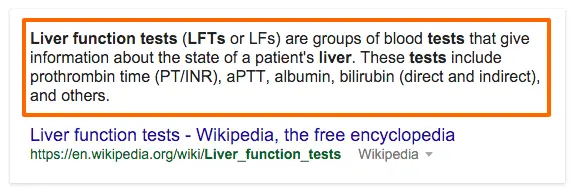
These tests assess the level of liver enzymes in your blood, which can be used as a marker of overall liver health.
As a thyroid patient, it’s critical to keep an eye on your liver, just like you would keep an eye on your thyroid.
So the next time you get your thyroid tested, make sure your doctor is also testing your liver.
The two tests you want to get are AST and ALT. For optimal T3 status, you want both of these values to be less than 20.
If you find that your liver function tests are even slightly elevated, then you will need further evaluation to find the cause.
For most thyroid patients, the underlying cause will be insulin resistance.
And just like gut health, changing your diet to improve your thyroid will also improve your insulin status, which will almost always improve your liver.
To give you an idea of just how important this one is, you should know that optimizing your liver function will probably result in the highest increase in T3 compared to any other therapy we’ve discussed so far.
#5. Check Your Iron & Ferritin
Iron deficiency is a problem that you may not connect to your T3 level, but it’s more important than you probably realize.
Inside your thyroid, the enzyme thyroid peroxidase uses iron as a cofactor to create both T4 and T3.
If you don’t have enough iron, then the creation of both hormones will be compromised.
While it is true that iron deficiency is not as common as some of the other problems we’ve discussed so far, it’s still very important because iron deficiency is often missed by doctors and can cause confusion when someone is trying to optimize their thyroid.
To make matters worse, you don’t need to be grossly deficient in iron for it to impact your thyroid.
So it may very well be the case that you are walking around with a “low-normal” iron level that is negatively impacting your T3.
You can test for this by looking at both your serum iron level as well as your ferritin level.
Your serum iron tells you how much iron is in your blood while your ferritin is a marker of iron storage in the body.
A common scenario that I see among thyroid patients is one where their serum iron level is normal but their serum ferritin is low.
But just having a low ferritin is enough to compromise T3 and should be treated.
For optimal T3, you want your ferritin to be in the range of 40-60 ng/mL (10).
If either is low, you can replace them with the use of over-the-counter iron-containing supplements.
But a word of warning:
Do not take iron unless you need it! Always test first as taking too much iron can make your thyroid worse and cause other problems.
#6. Take an Adaptogen
Another way to improve your T3 status is through the use of adrenal adaptogens.
These natural botanical-based compounds help your body adapt to and manage stress.
And as far as your thyroid is concerned, stress is a killer of T3 levels.
The more stress you are under, the more cortisol will be released from your adrenal glands.
If released in excess amounts, as in times of chronic stress, cortisol will reduce T3 levels by blunting T4 to T3 conversion (11).
Adrenal adaptogens like rhodiola, ashwagandha, and maca root, fight this effect by normalizing cortisol.
A little bit of stress is actually healthy, but you can tell if your stress is starting to impact your T3 level because you’ll experience these symptoms:
- Fatigue even after a good night’s rest
- The sensation of feeling wired but tired
- Reliance upon caffeine and sugar as a way to temporarily boost your energy
- And both high and low energy at the wrong times of the day
If you have these symptoms, then it’s probably time to consider taking an adaptogen.
Each adaptogen has a slightly different benefit on top of its ability to regulate cortisol so you can match the adaptogen to your specific needs.
For instance, maca root will help with energy, but also sex hormones and libido.
So if you have low energy and a low sex drive, this is probably your best option.
Ashwagandha, on the other hand, is great for both energy and weight loss.
So if you need more energy and you’re overweight, this is probably your best option.
Rhodiola, another adaptogen, will help with energy and mood.
So if you have low energy and you’re feeling depressed or anxious, this is a great option.
#7. Take Iodine
Iodine intake seems to always be controversial, but it doesn’t have to be.
Here’s what we know about iodine and T3:
Because iodine forms an essential component of the T3 hormone, iodine deficiency impairs its production.
In terms of magnitude, this one is huge.
Your body can get by with a suboptimal level of zinc and selenium, you just might feel a little run down.
But if you don’t have enough iodine, you will experience huge problems.
Whether it’s a physical change to the size of your thyroid gland (goiter) or a gross decline in thyroid hormone production (iodine-induced hypothyroidism), iodine deficiency isn’t going unnoticed.
So the real question is less about whether or not iodine is important for T3 levels and more about whether or not you need more of it.
Unfortunately, that data is about as clear as mud (12).
So instead of diving into the controversies of iodine intake, here’s what I can tell you:
Research has shown that iodine intake in the range of 150 mcg to 300 mcg per day is quite safe.
And taking iodine in this range will ensure that your thyroid has what it needs to create enough T3 without increasing your risk of iodine-induced thyroid problems like autoimmune thyroid disease.
Some people feel better when taking more, but I would caution against this approach as the pros do not outweigh the risks.
Likewise, minimizing your intake of iodine may improve your thyroid function if you were previously taking too much, but that makes the big assumption that you were overconsuming it, which may or may not be true.
So far, maximizing the benefits while minimizing the risks, stick to 150-300 mcg per day.
The best way to do this is through supplementation because iodine concentration in foods can vary dramatically.
If you want to get exactly the amount of iodine you need, then check out this supplement.
When Should You Use T3 Medication?
What if you’ve tried these therapies before and they haven’t worked?
What are you supposed to do then?
If you’ve reached this point then it may be time to consider the use of T3 thyroid-containing medication.
Up until this point, we’ve talked about a whole bunch of natural treatments that can help your thyroid produce more T3 on its own.
But there’s another way to get T3:
Take more of that thyroid hormone directly.
T3 is found in several thyroid prescription medications including:
- Cytomel & Liothyronine – These medications are considered T3-only and do not contain T4. Liothyronine is considered the generic and Cytomel is considered the brand name.
- Compounded Sustained Release T3 – This formulation of T3 is the only sustained-release version of T3 and is only available through a compounding pharmacy.
- And NDT formulations (Armour Thyroid & NP Thyroid) – NDT formulations contain a combination of T4 and T3 thyroid hormones.
Some people get angry because I spend so much time talking about natural therapies instead of the prescription option, but there’s a reason for it:
The natural option is always preferred because it’s far better to support the natural production of T3 than it is to take exogenous T3.
It’s not that taking T3-containing medications is harmful, but, like any medication, they do carry risks, they can be difficult to obtain, and they can be expensive.
So why wouldn’t you at least try the natural option first before entertaining the prescription route?
That’s my philosophy, but you can choose whatever option suits you best.
By the way, if you are someone who likes the idea of taking control of your thyroid through natural treatments then I’d recommend checking out this article next.
Scientific References
#1. https://www.ncbi.nlm.nih.gov/pubmed/14653505
#2. https://www.ncbi.nlm.nih.gov/pmc/articles/PMC3403271/
#3. https://pubmed.ncbi.nlm.nih.gov/11215512/
#4. https://pubmed.ncbi.nlm.nih.gov/25758370/
#5. https://www.sciencedirect.com/science/article/pii/0024320589901793
#6. https://www.ncbi.nlm.nih.gov/pubmed/7435122
#7. https://www.ncbi.nlm.nih.gov/pmc/articles/PMC2833301/
#8. https://www.ncbi.nlm.nih.gov/pmc/articles/PMC5075641/
#9. https://www.ncbi.nlm.nih.gov/pubmed/6313798
#10. https://pubmed.ncbi.nlm.nih.gov/12463104/
#11. https://www.ncbi.nlm.nih.gov/pmc/articles/PMC8109250/
#12. https://www.ncbi.nlm.nih.gov/pmc/articles/PMC9816468/

Thank so much for sharing this information. I read an article you wrote last week on iodine and selenium supplementation. I am iodine deficient but when I supplemented, within a few days was then taking too much and my thyroid was inflamed. The two together work marvelously. My daughter checks the dose daily through kinesiology and it is making a big difference. Thank you so much!
Hey Jenny,
You are very welcome! I’m glad it worked out for you! Supplementing with iodine can be tricky, and I like to do it – it just needs to be done cautiously. And it sounds like you are in good hands 🙂
Let me know if you have any other questions.
Hi ~ I was diagnosed with under active thyroid in 2013 and put on levothyroxine. In the last 18month my symptoms have become significantly worse. I have chronic groin/pelvic pain which has changed me from an extremely fit active slim 53 year old to an overweight inactive jobless 56year old. I paid for a thyroid scan last week (due to regular choking episodes) and it was confirmed that I had hashimotos (I was told by the radiologist that my thyroid was shrivelled ~ and had I heard of Graves or hashimotos ) my most recent bloods came back saying I was now suffering from hyperthyroidism and it was recommended that I reduce my levothyroxine to 100 from 125 (I haven’t done this yet as I think I am on the hashimotos roller coaster of hypo/ hyper) I have asked to see a endocrinologist and will take all that I have read from your Facebook page and hope he will listen. I was diagnosed with osteitis publis after an MRI scan but I now think the chronic pain which stops me from even walking very far (hence the job loss) could actually be due to Hashimotos. My main request will be for desiccated thyroid to be added to my regime. Thank you for all the information you have provided. You have been a life line and I intended to knock down as many doors as possible in the hope that our great NHS will listen and react accordingly. I will keep you posted re my journey.
Hey Lynne,
I would definitely dig a little deeper into the “hyperthyroid” component. With a shriveled up thyroid from years of damage due to autoimmunity, it’s unlikely that you are suddenly producing large amounts of T3 hormone causing hyperthyroidism. It’s far more likely that your TSH is suppressed from the T4 dosing, but that doesn’t necessarily mean you are “hyperthyroid”.
NDT may improve your symptoms, but you would also benefit from extensive blood testing and repletion of any and all nutritional deficiencies.
Good luck and keep me posted!
Hi,
I also was diagnosed with hypothyroidism in 2013 and since then was increased on levotheroxine from .25mg to .125 mg. No success. Then I heard about LDN!!! Low Dose Nalterxone, it is not priscribed by any doctor, but digged dip and found one who did. Got my medication on June 15, 2017, I feel improvement.
Here is the website with more info: http://www.ldninfo.org
If you wish to join the group, email me and I will provide you with the group info.
Regards,
AG
I just read your reply and wondered how you are doing on the LDN so far with treatment for hypothyroid.
Hi Lynne,
I was reading your comment and what you were going through with your pelvic bone is what I’m going through now. I know this post is now 5 yrs old and I’m hoping you got the right treatment and doing much better. Please update. Thanks
Great information and diagrams. Very grateful for this. I’m a bit puzzled though when the text above refers to “Get on T3 only medication (Like liothyronine or NDT)”. My understanding is that NDT contains T4, T3, T2, T1 and calcitonin. Correct me if I’m wrong.
Thanks.
Hey Honora,
You are correct, the sentence should say “Get on medication containing T3”. Liothyronine is a T3 only medication, whereas NDT contains all of the other components you mentioned including T4 AND T3. Thanks for bringing it to my attention!
Cheers.
Is it correct that NDT, like Armour, while it contains T3, it may not be enough and it would still be beneficial to supplement with Cytomel? Do you have any thoughts on ordering Liothyronine online if doctor won’t prescribe?
Hey Terri,
Yes many of my patients are on a combination of T3 + NDT or T3 alone. I don’t recommend using liothyronine without the assistance of a Doctor, you don’t know what you are getting and too much T3 can be dangerous.
Other than having T3 levels checked, how else do you know if you are having too much? I have low T3 2.3 (2.4-4.3 range) and a long history of hashimotos. I am doing every diet and exercise change to improve my health and my doc won’t increase my T3 even though its below normal. Is there really danger in increasing it? I am a healthy 44 year old, on 1.25 grains of NDT and just 5mcg of T3. Shouldn’t I increase my dose until my T3 comes up? Thank you!
Hi Sarah,
You will have symptoms if you have too much.
Dr. Westin Childs,
An impressive Website !
Thanks, Anne
Hey Anne,
Thank you and I’m glad you like it!
Hi Dr Child,
You are my teacher! Thank you very much for this site and information,it is very usefull.
You are a very professional and the BEST thyroid doctor!!
I live in UK ( originally from Hungary) but without your knowledge I didn`t find the right doctor in UK how have correctly treat me, because I need the power and knowledge about the RT£ issue and hashimoto.
Thank you again,
Krisztina Aranyi
No problem and I’m glad this information has helped you!
Hi Dr Childs, what I’ve read from your sight and blogs makes alot of sense! My Dr is brilliant and we have been working together for at least 3 years trying to tweek my thyroid & Hashimotos. She has me on20mcg T3 and 70mg of thyroid extract which has put my TSH, T3 & T4 in the normal range. However every now and then my thyroid goes out of Whack and it’s back to playing with dosages to get it right.
I am a coeliac and have 2 of the C strain MTFHR Gene, with high estrogen levels so I take a progesterone troche (had a hystorectomy @ 34 due to a begnin tumor. I am seeing a naturopath and she had me do a hair strand test that shows what triggers inflamation for me and she has been helping me with adrenal fatigue and liver tone.
She has recomended going Paleo but I struggle with red meat, I’m ok with small amounts of chicken and fish even though my blood type is o positive. I eat alot of salads and vegies, little fruit. My Dr says my diet is brilliant but I can’t seem to shift weight! I only need to lose 6-10kg and occasionally when the plumbing is working well I shift 2kgs and then it suprisingly comes back! Grr!
I kind of feel like I’ve hit a wall as I’m doing what’s recommended and I seem to progress and then it all goes pear shape and I can’t work out why? Any other suggestions?
Keep up the good work in helping people understand what’s happening to them and why. 🙂
Hey Christina,
Losing weight is about balancing your hormones. You need to have someone look at your insulin and leptin levels. In addition, you should check your basal body temperature and resting pulse to see if your thyroid is actually optimized. Just because your TSH is in the normal range does not mean that your thyroid is “normal”.
You can look at these posts for more information about balancing hormones with your thyroid:
https://www.restartmed.com/lose-weight-hashimotos/
https://www.restartmed.com/leptin-resistance-thyroid-resistance/
https://www.restartmed.com/weight-loss-hypothyroidism-success/
The first time I was diagnosed with hypothyroidism was 27 years ago. After being placed on medication for a short period of time, it supposedly resolved. In 2013, I was again diagnosed with hypothyroidism. It took until mid 2015 to get my level within a “normal” range. Only a tsh level was ever drawn throughout the year. In January, my level was abnormal again, tsh only. Since I started receiving your insightful information, I decided to give it to my PA at my endocrinologist. I’m hoping she will work with me. I am diagnosed celiac disease, so I eat a healthy diet, no dairy products, and already take the supplements you recommend. What complicates my situation is that I am in chronic pain everyday. These are other conditions not being adequately managed due to severe allergies to the medications normally given. Due to this, they tell me to “deal with it”. Unfortunately, when you’re dealing with several conditions, it becomes debilitating. I’ve gained 60 pounds in two years, gone from being very active nd healthy to barely able to do anything, decreased appetite. To complicate matters, none of my doctor’s understand celiac disease, including my primary doctor. Do you have any suggestions?
Hey Kimberly,
I don’t recommend trying to get treatment in the insurance model, 99.9% of the time you will just be ignored – even if you give them information. Endo’s and most doctors aren’t interested in being educated by patients. The other big issue is that even if you ask for the right tests, they won’t know how to interpret them or treat you based on the results. I would recommend looking for a functional medicine doctor near you.
In regards to your other issues you can take a look at these articles, and they may very well be related to your thyroid:
https://www.restartmed.com/hypothyroidism-chronic-pain/
https://www.restartmed.com/lose-weight-hashimotos/
Thank you for this information! I’m so glad to see a Dr who is truly into helping people be their best.
I have had labs run for most of the things you stated but as you have also stated I received the results in “your labs were normal” form without any levels showing. Very frustrating!!
I would love to get on top of my Hashimoto’s and feel better again. My brain wants to go go go and my body says no no no. I do know I am insulin resistance and have adrenal fatigue on top of Hashi’s. Could I just start taking selinium and iron without a test? Or is that dangerous?
I am currently taking 48.75 mg of NatureThroid. I have been taking that dose for 2 weeks now and my throat seems to feel tight. Could be allergies as those are bad right now too. 3 years ago I was on 80mcg of Synthroid and 10mcg of Cytomel which the Synthroid made me feel horrible.
I’m really not sure where to go from here except that I want to feel better!!! I am so tired of being so extremely tired!!
Thanks so much! I would drive the miles just for you to be my Dr!! LOL! Do you have any good recommendations for the Ft Worth TX area?
Marci Pruitt.
Hey Marci,
You are welcome! You can try selenium, but I wouldn’t recommend taking iron without lab testing as too much can be toxic to the body. The combination of cytomel + synthroid can work for some people, but the T3 dose needs to be high enough.
Unfortunately I don’t know any doctors in the ft worth area – I am sorry!
I had a thyroidectomy last week. I’m talking calcium carbonate now but still the tingling in my hands doesn’t go away. I also take vit D3.
I have no energy and my stomach is very upset so I can’t eat. At this moment, I regret the surgery (I had Graves).
Would it be beneficial for me to take selenium, perhaps magnesium to help with the muscle weakness and fatigue? Thanks.
Hey Kim,
They probably won’t hurt but I don’t think they will help either. You need to fix your calcium levels first and manage your thyroid medication – both are more likely causing your symptoms.
I tried Cytomel with low amounts of Naturethroid and I had too much heart palpatiation. So my doc keeps on increasing natuthroid.
I am now taking 1 97.5 in morning, and 1 97.5 in late afternoon. I take selenium, zinc, Vit D, raw adrenal from standard process, magnesium at night. My Reverse T3 is 11.9, Free T3 is 2.8. My Free T4 is .91. I know my Free T3 should be around 3.8 and Free T4 shoudl be 1.3.. seems that even though they keep slowly increasing my meds nothing really works. I am really afraid to try cytomel again and I had full panic attacks.. Its been a rollercoaster since 2011 diagnosis of Hashimotos. Large nodule on thyroid, however, it is benign. Thyroid is shrivled as well. gluten free, dairy free, grain free most of the time until I just want to have corn taco ! LOL. any ideas ??
Hey Alyssa,
You need to look at other hormones to see if they are contributing to your issues.
I recently read this article and purchased several of the recommended supplements. I am trying to Kickstart my thyroid naturally before trying the medication route. I am been suffering with constant fatigue, foggy memory and trouble losing weight. I am a 37 year old female and my labs show:
TSH = 2.3
FREE T3 = 2.8
FREE T4 = 1.12
My question is when should I take the supplments and should I follow the dose recommend on the bottle. I purchased:
DSF Formula – Nutri-West
Gastrointestinal Support
Zinc 30
Selenium
Super Enzymes
All products were linked in the article above. Thank you for your help!
Hey Robin,
It really depends on your symptoms and other lab tests (not just your thyroid), it really requires a comprehensive look at everything.
OK, I guess I will just follow the instructions on the bottles.
Hey Robin!
I know your comment is over a year old, but I thought I’d just ask, how are you doing? How is your thyroid, energy levels, ability to lose weight, brain fog? I was struck by your comment because our situations are very similar. I am almost 36 years old. Same symptoms as you. I just had Thyroid blood work done. My Free T3 is 2.9, my Free T4 is 1.1, so very similar to yours. Though my TSH came back as 1.1. My Total T3 is 93. From the research I’ve done, it seems my T4 – T3 is not converting well, which led me to this article . Super helpful info!!!! I have my list of supplements I’ll be starting. Anyway, just thought I’d reach out. I hope you are healing and thriving!
Jenny
Hi Jenny, I know it’s been a year since you posted your comment, but I was wondering how you were doing and if you could tell me what hormone medications you are taking, and what supplements you are using as well, and how they worked for you. I am hypo. and have been taking just 25mcg. of Synthroid for about 4 months (it took me several months to work up to that amount). Everything was going fine and then I began having heart flutters and ringing in my ears. My doctor suggested increasing my dosage, but that only made me anxious and jittery and did nothing for my palpitations or the ringing in my ears. I started supplementing with Selenium a few days ago and am waiting to see if this helps. I’m curious what you’re taking and how it’s working for you.
Hope all is well.
Thank you so much,
LaShell
Hi Lashell
I had the same symptoms as you, ringing in ears and heart flutters, I was diagnosed with very low iron. Hope this helps.
Hi there doc. I am in NZ and understanding of thyroid issues here seems to be fairly stone-age (at least among conventional medicine, funny that) compared to alt medicine. I am currently treating leaky gut (only been 1 week so far). I had suspected hypothyroid and convinced my doc to give me tests. Symptoms are fairly mild but classic (however with a strong asthmatic reaction) – this is a chronic condition triggered whenever I live somewhere with chlorinated water).
TSH levels are 3.23mU/L, FT4 is 206 ng/dL (16.3 pmol/L) and FT3 is 64 ng/dL (4.9 pmol/L – I hope I got the US conversions right!). For me the high TSH means my body is asking for more energy; there is a lot of T4 however my thyroid is struggling to convert this to usable T3 for energy.
My Ferritin level is 135 ng/ml (normal) and my cholesterol isn’t great (I am quite skinny): total 149 ng/dl; HDL 36 ng/dl; HDL ratio 121 ng/dl; Random triglycerides 45 ng/dl and LDL 93 ng/dl. For me these readings are indicative of underactive thyroid. Also, CRP is at “less than 3” on a scale 0-5.
Anyway I am taking 1 x Piping rock Ultra Thyroid complex per day. Can I increase to 2 x per day? I see this contains desiccated thyroid and I think I could do with trying to boost T3 levels if possible?
Many thanks!
Hey Simon,
I’m not familiar with that supplement so I can’t really give you advice or recommendations.
Hi Dr. Childs!
I wanted to say how much I appreciate your online articles on thyroid health. I am a thyroid cancer survivor, so I have to monitor my T4, free T3 levels often. My free T3 is typically low, and so I am taking NDT. However, I continue to have fatigue and weight gain.
I know that iron is very important for the T4 to T3 conversion, I wanted to ask you about a recent iron panel I had done (see below). From what I read, Ferritin is needed to transport T3 into the cell, and it looks as though my level is low-normal. I have read that the optimal Ferritin level for a female on thyroid hormone is 80-90, while mine is at 19. This tells me my iron stores are not too strong. Do you have some thoughts on this lab? I’d like to increase my Ferritin to an optimal level while not pushing the other measures over the range.
Iron 137 ug/dL (50 – 170 ug/dL)
Iron Binding Capacity 313 mg/dL (265 – 497 mg/dL)
% Saturation 44 % (15 – 50 %)
Ferritin 19 ng/mL (7 – 270 ng/mL)
Best,
Katie
Hey Katie,
I would check out this article for more info: https://www.restartmed.com/hypothyroidism-iron-deficiency/
Dr Westin,
Just want to say this is one of the most impressive and thorough articles that I have ever read on how to increase T4 to T3 naturally.
Thank you so much!
Barbara
Hey Barbara,
No problem and I’m glad you found it helpful!
Best info I have read yet. I pray I can get a dr who will prescribe T3
I am so frustrated I started zinc. Selenium
Just ordered oil of orgegano
So it’s a start
Now I need T 3. Thinking about ordering online
Hey Sharon,
I’m glad you enjoyed it. I would caution against ordering medications online, however – you never know the quality of the medication and dosing T3 can be difficult and dangerous (which is why many providers are scared to use it).
Thank you great articles. I was diagnosed with 4th stage liver disease in 2004 but functioning well now. I because of it had anemia and hypothyroidism. I was put on liquid iron and levothyroxine. Since I have gained 50 lbs. I have a very active exercise plan everyday, and eat at home right. Moderation on everything. I have tried everything to lose this weight in my stomach area. Never had it my whole life I was average. Also I find somedays it is hard to swallow. My dr. Is great but says my levels ar great were at 9.5 now <1. What should I try do you think the ntd. Or add in. T3 only med. thanks Christine g of austin mn
Hey Christine,
I’m sorry but I really don’t understand your question. There are multiple thyroid lab tests so you will have to elaborate on which test you are referring to for me to be able to help you further.
Hi Dr, sorry my tsh level is all my Dr says I need and it’s great. But like I said I never had weight gain until I started the levothyroxine. Same thing happened to my father and my sister. Fortunately my Dr is a great guy and is willing to work with me as he knows I am proactive on my health so if I were to ask him I’m sure he would help me. But I want to have as much info as I can because he is such a busy guy. So my question is in order to figure out if this is my thyroid meds should I try the naturethroid or have him add on a t3 med to my levothyroxine. Or go straight to the t3 alone. Or have him order tests first? Thank you so much Christine g
I understand, but unfortunately there is no easy way to answer that question. There is no easy way to predict the type or dose of thyroid medication that any given patient will need for optimal results. Lab results can be used as a guide, but they don’t always tell the complete story – that’s why it can be difficult (or impossible) for a patient to treat/dose themselves.
A good place to start is with a complete thyroid panel + fasting insulin + fasting leptin + estrogen/progesterone + Testosterone. This will give you a starting point to base other decisions off of, but again this is just the start.
Dear Dr, thanks I talked with my Dr, and sure I can try this nt, so he sent me a prescription which I had to,pay for as insurance doesn’t pay for. Anyway, I was switched from 100 mcg to 97.5 mcg naturethroid. And I feel fine all day until after dinner I feel like my head is pounding and a little off not quite dizzy but off. I also feel cold in the evening. Should I have did a 50/50 dose for awhile? In other words 50/ levo and 50% nt? And gradually ween myself off of levo? My dr says we will do bloodwork in a month. I’m not sure he works with nt a lot so any help you can give is great. Thanks Christine g
Hey Christine,
You can check out my guide for naturethroid on this page here: https://www.restartmed.com/naturethroid/
Hope it helps!
Hi. I was diagnosed 5 years ago with under active thyroid. I was very slim and active and never needed to diet. Now 5years later I am 5 stone heavier even though my THS levels have been normal for 3 years or so my weight continues to rise and still very tired. Been to an endo and was told by one endo then the weight gain and fatigue is ME (how) and the other endo told me that my fatigue is to do with my weight as I am now 103kg and 5ft 4in and very over weight. None of the endos agreed with me that I need to change my meds to T3 only. I was told that I should have gastric surgery as my weight gain and fatigue still continues even though I eat very well and and am very active and I have tried orlistat, nothing is working for me. I just don’t know what to do anymore.
Hey Kerry,
The best thing you can do is find someone who specializes in what I do and have them evaluate your lab work and provide treatment recommendations. Most PCP’s and endocrinologists have a very cursory understanding of what it takes to lose weight so they are not the best place to look for answers.
Hi Doc,
I am writing from Bulgaria to thank you for the very useful information on your blog. I have had Hashimoto for almost 20 years and have been struggling with waight, brain fog, fatigue and so on. As I was always very busy I did not pay much attention and just took my meds (88 mg Euthirox). Over the last few years however I had a thrombus, my prothrombin time was off, my triglicerides were high and I have a fibrocystic breast disease.So I started paying attention and reading. My FT3 is low, FT4 – high, so obviously I am not converting. I am currently on AIP trying to fix my gut and have been gluten free for almost an year. I excercise, walk and do yoga. FT3 meds are not sold in Bulgaria and, even if I bought them from abroad, I doubt that I will find a doctor who can work with me and fix an appropriate dose. So is there anything more that I can do to help conversion?
Hey Elena,
The easiest recommendations are listed in this post, further recommendations would require help and specific advice regarding your situation from a knowledgable physician or provider. This post is meant to be a starting guide.
Hi Elena! It’s 4 years later, and I’m wondering… How are you doing? Lynne Farrow wrote a great book called “The Iodine Crisis.” In it she talks a lot about low iodine being at the root of Fibrocystic Breast Disease (FBD.) And of course your thyroid needs iodine too.
Hi there!!
I don’t have hashimotos but when I did a blood test a year ago my fT3 was 2.9 and now it’s 2.8. All of my other numbers looked fine. They were in the normal range. It’s just my fT3 that is off. That and my vitamin D was low. But those were the only two things. Would you recommend the same treatment for just fT3? She wanted to put me on nature thyroid but I have some reservations about it if it’s only my fT3 that is a little low. Wouldn’t that affect my other levels? I know I’m late to the post but hopefully you’ll have some insight for me. Thank you!!!
Hey Rachel,
Free T3 by itself has very little value unless coupled with other lab tests and symptoms.
I have a real low t3 and adrenals. My eyes burn turn red and runny . I have tried everything. Any ideas
Hey Kathy,
The best thing you can do is search for someone to help guide you, it can be impossible to figure much of this out on your own.
Hi Doctor Childs,
I have had a crazy year with health problems. I had a surgery which led to a C. diff infection, which led to Reactive Arthritis. I seem to have overcome those issues now, and I have been trying to heal my leaky gut, eating mostly Paleo, and my doc has me on a small amount of T3 and LDN. I quit taking the T3 because sometimes it made me sweat, but mostly because it gave me diarrhea. Do you have any recommendations so that I don’t get diarrhea when taking the T3? I quit taking it, and can’t seem to lose weight, despite eating a really strict Paleo diet. Also, can taking T3 cause your body to produce less of it’s own?
thanks,
Heather K.
Hey Heather,
Most hypothyroid patients will not lose weight by changing their diet alone, they will need to test for and balance other hormones that the thyroid influences.
Hi, I have hypothyroidism since several years, and take levothyroxine (T4) and liothyronin (T3) . We have the same problems here in Sweden with low knowledge among physicians, but mine prescribed T3 :))) I found your site since I still have remaining issues. But I acutually do not want to ask about them, but give a tip about something that helped me tremendously. I had a lot of issues with twitching and stiffness and pain in muscles, joints and tendons, among them plantar fascitis (I do think it is connected to hypo, I have heard the same problems frpm other hypopatients) . I started taking MSM, and now I only have pain and stiffness when I get tired r stressed, not a constant pain. Also I take fluid magnesium before bed. Now I know that I should look into zinc as well, maybe that is will help. I am on anti-depressants, is there any study on that they inhibit conversion of T4 in body? I eat glutenfree and milk free, and mostly raw food, (maybe raw should be on your diet list? ) Thank you for your informative site and all the good work.
Hey Jenny,
Yes, anti depressants can reduce T4 to T3 conversion (along with many other medications).
Hi Dr. Child’s,
After 10 years of using birth control pills I finally quit and my body has been out of whack ever since. My most debilitating symptom is air hunger and chest tightness which I’ve read can be a progesterone deficiency or hypothyroidism. My latest thyroid test result shows
TSH 1.2 (.4-4.5) range
FT4 1 (.8-1.8) range
FT3 2.9 (2.3-4.2) range
RT3 15 (8-25) range
Do you believe I could benefit from an increase in FT3? I have other symptoms as well but my naturopathic doctor noted my thyroid looked great. What are your thoughts on the levels? Thanks!
I’m curious why when my Naure Thyroid was increased 1/4 grain (from 1 1/4 grain to 1.5 grains) my Free T3 and Free T4 plummeted as did my iron levels despite my taking an iron supplement during this same six week time period. My total iron is 58 and the iron saturation is 27%. My ND does not feel the ferritin is a good marker for me since it seems to fluctuate with my level of inflammation and the ALT, and AST. Needless to say I feel extremely fatigued and my mood is not great. Now she has decreased me to the lower dose (1 1/4 grain a day). She can not offer an explanation as to why my iron dropped so much even with the additional supplementation. I might add that since Oct. I have been eating clean, having done a liver cleanse, and now a candida cleanse. I exercise regularly. So I’d be very interested in your suggestions as to how to proceed.
Hi Dr. Childs – Thank you for this article. Still making my way through it and I’ll be discussing with my doctor.
Is it possible to have low T4 or RT3 and not really have symptoms? I learned I had low T4 over 20 years ago from routine blood work, but I didn’t have symptoms (that I’m aware of). At the time, testing for RT3 wasn’t done. I just had my RT3 tested and it is low (203), but again, I don’t feel that I’m having symptoms… or maybe I just don’t know what if feels like to be fully functioning! Do you have any thoughts on that?
Note: Please check the first diagram, Factors that Affect Thyroid Function. Seems the top and bottom columns may not be on the correct sides, and the lower left column should read, “Factors that decrease (not increase) Conversion of T4 to RT3.”
Thanks.
Hey Joanne,
It’s important to follow the patient and just not the labs. Whatever is “normal” for you may not be the standard “normal” for everyone else.
Also, the diagram is accurate. Stress, trauma, etc. increase conversion to T4 to reverse T3 which necessarily reduces T3.
Dear Dr. Childs,
What a great website, I am so glad I found it! I wish there were doctors like you in Europe…but they seem few and far between.
I have been on natural desiccated thyroid for the past five years. I started on Armour, then switched to Erfa which, unfortunately, also seems problematic and does not seem to work like it used to. So I decided to order NDT from Thailand, at a fraction of the cost of prescription NDT where I live.
Regardless of brand, I seem to require a lot of NDT for complete symptom relief (I am currently taking 7 grains which means 266 mcg of T4 and 63 mcg of T3 daily). Yet, I have no hyper symptoms, and both my free Ts are in range (FT4 at the very bottom of range, FT3 midrange 24 h after latest dose). TSH completely suppressed, but I understand that is normal when taking T3. Also, I understand I can expect my FT3 levels to be about 20% higher on the previous day, as I only take NDT once a day (in the morning). My FT3 levels were 2.9 (ref 1.7-3.7) 24 h after taking NDT, so about 3.4 the previous day…?
My question is: could I be suffering from rT3 dominance? Many claim you need less T4 when taking both T3 and T4, but I seem to need even more T4 now compared to when I was on levothyroxine only; back then, I took 200 mcg daily…which kept my FT4 levels at the upper normal limit, but my FT3 levels were never more than midrange.
I have considered switching to another brand of NDT; I am currently on Thyroid-S which contains a lot of fillers, including cellulose, which could possibly decrease absorption of thyroid hormones.
In your experience, is it unusual to need as much NDT as I seem to do? If my FT4 levels are low (0.9, ref 0.8-1.5), does that point to a potential rT3 problem? If so, I will ask for that test to be included next time I go to the lab.
Thanks a lot in advance,
Catarina
Hey Catarina,
I’ve found most people feel like they need 3+ grains of NDT likely have contributing issues, are getting too much T4, or have other hormone imbalances contributing to their symptoms.
Hi Dr Childs,
Hoping you could comment on what you think would be the cause of reduction in FT4/FT3 levels?
TSH = 12
FT4 = .73
FT3 = 3.8
R3 = 13
TPO in range
I changed my diet recently to reduce inflammation, low carb/low sugar (was also gluten, dairy, soy -free for 2 yrs) within 3 weeks of new diet and new sleep schedule (actually getting sleep!) I felt better but my levels changed to:
TSH = 6.6
FT4 = .62
FT3 = 2.9
TPO 34 (out of range by 6 pts)
Just wondering why I would feel better, cut TSH almost in half, but have lower levels of FT4/3 and increase TPO? Any ideas on why this would happen?
THANKS! Leeanne :))
Hi Leeanne
Were the blood tests taken at the same time and both after you had withheld your morning dose?
To illustrate this, I experimented with having a blood sample taken at half past eight and then again in the same day at 1pm recently. I think I took my morning dose after the first blood test (brain fog!!)
my first results were:
TSH 0.44 (0.40-4.00)
FT4 9.45 pmol/L (10-24)
FT3 4.3 (2.5-6.0)
The second results were:
TSH 0.32 (this triggered the lab to measure FT4 and FT3!)
FT4 10.00
FT3 6.5 which is out of range suggesting either T3 ingestion (yes), or T3 toxicosis.
Low carb/low calorie diets can trigger increased conversion of T4 to RT3 instead of T3 and aren’t a good idea for us folks with hypothyroidism.
For my part I am now alternating WTE with Thyrovanz and will see if the FT3 levels drop. I feel the same as I ever did (asymptomatic). I think if the FT3 is too high, it demineralises the bones which I don’t want.
Honora,
Thanks for reply. I’m not taking any thyroid meds. Trying to treat naturally and get thyroid working again on its own. I was happy to see TSH drop — so right direction there but wasn’t happy about FT3/4 dropping also.
Hi, thanks for this, it’s very thorough. Do you have any thoughts on how helpful Tyrosine is / would be in this situation? It certainly makes me feel better but I’ve seen mixed opinions on it. I currently take Gaia Herbs Thyroid Support which has a couple different adaptogens including schisandra and ashwaganda plus 50 mcg iodine and 100 mcg tyrosine per capsule. I’d be curious to know if you have written anything on tyrosine. I would search the blog but can’t find a search bar… Thanks for your response!
Hey Tanya,
I haven’t written about tyrosine but will put it on my list for the future. I have written in the past about various supplements that support thyroid function and you can find them here: https://www.restartmed.com/thyroid-supplements/
Hi.
Thank you for your post. I hope you can help me.
I am overwhelmed with current health issues and all the information I’ve received.
I was diagnosed with Hashimotos in 2012. I am certain that my adrenals are strained, and have Leaky Gut issues as well(I am also deficient in iron, iodine, D-3, anemic. per tests) But the doctors I have seen will not consider the cause and/or treatment to address the autoimmune nature of Hashimotos. They only want to put me on meds.
I KNOW I have to treat/fix the cause first – not just a bandaid fix!
I have eliminated all wheat and gluten from my diet. Dairy and eggs on occasion. I’ve been adding necessary supplements. This has made wonderful changes to how I feel. but its not enough.
The dietary changes are the most confusing. What is good for the adrenals and Leaky Gut, is not good for Hashimotos. (cruciferous vegetables, tomatoes and red peppers in particular)
I know that I don’t eat enough. I have no appetite and have to make myself eat and/or what I eat bothers me and I am severely constipated. I’m taking supplements, started probiotics, fiber, teas, etc. I can’t “move” And I continue to slowly gain weight. Bloated belly is the norm now and It is utterly frustrating and discouraging. This is most of my stress…a vicious circle.
I do NOT want to go on medication! That is my absolute last resort.
I want to fix the cause of the autoimmune condition! And I cannot find a doctor who will work with me. I have numerous books – guide books, recipe books,etc. Can I fix all three issues at the same time? Which of my problems do I work on first? When is the best time to take supplements?
Can you help me?
Thank you,
Kelly
What is your advice about taking t3 for hashimotos? And Iodine?
Hi Sandi,
You can find more information here: https://www.restartmed.com/iodine-supplements/
Hi Dr. Childs,
Thank you so much for posting this information! I was hoping maybe you could help me understand a little further on a couple things.
Last year, I went about 4 months without any periods which really worried me (I am 24 years old). In November I scheduled an appointment with my obgyn and after some tests she found that I had (subclinical) hypothyroid which was causing me to not ovulate or something. TSH was 11.2, T3 FREE 3.3, T4 FREE 1.05. So she prescribed me levothyroxine 50mcg. I got my period within a week after starting levo. At this point in time, I was 141 pounds. For the first couple months, I wasn’t taking it correctly though, so my body wan’t absorbing it all (didn’t wait long enough to eat after I took it).
Starting Jan/Feb I made sure to start taking it correctly. About a week ago, I weighed myself and have gained 13 pounds in less than 3 months even though I watch everything I eat!!! I am now 154 pounds and feel like I have a pregnant woman’s stomach, it sticks out like crazy! I seriously went into a panic! I am getting married this year and I can not even fit in my wedding dress now! Then this past month, I again did not get my period. I scheduled another appointment with my obgyn and told her about the weight gain and my period not coming she said that from my last set of tests my results were TSH 1.08, FREE T4 1.31, FREE T3 3.0 and that since I was just “subclinical” I could just stop taking levothyroxine and the weight would come back to normal and my periods should resume if this is cause of it (no, I am not pregnant). Is she right about this?? I asked her if she can give me some T3 and she said no and that we need to wait for a couple months to see what happens to my Thyroid levels after I stop taking levothyroxine first. She said that maybe she can refer me to an endocrinologist later if my levels go off track again. I am terrified of this taking so long. I feel awful about this.
Also, I have ADHD and take AdderallXR. Would T3 have any possible bad combination with my adderall medication?
Thank you for your time,
Maria
I have a desiccated dietary supplement I was able to buy online made by Nutri-Meds, do you recommend any easy to purchase supplements for the Thyroid as I now live in Spain and it would help me tremendously!
Thank you so much for a really informative website, will defiantly read more!
Appreciate you!
Fay
Will Welbutrin affect Reverse T3. I have been following a great food and exercise program fir 10+ years. I am now working on Wheat free, Dairy Free, grain free and soy free diet along with homemade sauerkraut and water Kefir.
Hi Carolyn,
Some anti depressants can reduce T4 to T3 conversion.
Hi Dr.Childs!
I’m 17 years old and suffer from hashimotos. I’ve avoided taking any pharmaceuticals for two years other than LDN(3 months) without any improvements in my stagnant weight, hair strength, extream fatigue,etc. I take over 15 supplemts each morning for the past year in hopes of finding a natural solution using your tips. Do you suggest I start a T3 hormone supplementation or are side effects harmful?
Thank you so much!
Hi Natalie,
The addition of thyroid hormone in the setting of Hashimoto’s should be assessed on a case by case basis – the same is true of T3. I don’t have enough information to say one way or the other.
Hi, I had a subtotal thyroidectomy in 1995 due to graves disease. my thyroid didin’t recover and I am on 250 micrograms of thyroxine daily. Am I able to naturally increase my T3 levels with a functioning thyroid gland?
Hi Annie,
Yes, the T4 you are taking orally must be converted in the body to T3 before it is activated.
Hello,
I have been on levothyroxine my entire life as I was diagnosed with hypothyroidism when I was born. Until a year ago I never suffered from acne and now have a lot of acne only on my chin. Reading online I have read that it is due to hormonal imbalance. That is leading me to think that it has to do with my thyroid. I talked to my endocrinologist and dermatologist who ensured me it has nothing to do with my thyroid. What can I do to make them understand or take a closer look that my thyroid can be a problem. In your blog you mention checking your levels but do doctors supply you with your own lab test when checking your thyroid levels? Any recommendations on how to proceed? Thank hou
Hi Jackie,
Acne is often multifactorial meaning that there is usually more than just 1 cause. Your thyroid may be contributing but may not even be the thing contributing the most. You can read more about this idea here: https://www.restartmed.com/hypothyroidism-acne/
Is there a way to help boost you T3 after having your thyroid removed?
Hi Jeremy,
These same principles apply to post thyroidectomy patients.
I do not have a thyroid .15 months ago I have it surgically removed due to Papillary Cancer.I have been extremely tired and have gained a lot of weight since then..All my blood test are normal but I continue to tell my Dr my symptoms and want her to treat me with T3 medication but she will not do it..I saw another Dr for a second opinion and she would not treat me for T3 either..so will your recommendations be what I need to try and see if I do get better?..i ask because I do not have a thyroud..I take 150 mcg of Levothyroxine once daily.thank you
Hi Donna,
These recommendations should help to improve your thyroid function. How much it will help is up in the air and largely depends on you and various other factors.
This year will be 20 years I have had hyperthyroidism. My T3 has always been low but last year my T4 was high. I could tell something was off. Tired more than normal, no energy…..so this year I had my blood work done and my tsh went from .51 to 2.62. my question is what causes one to be high and the other low? I am using oils and a higher fat diet trying to help my gut funtion and get my thyroid working better. Eating cleaner for many reasons but mainly this. I would love to get off the T4 meds really both altogether but definitely back to taking one a day rather then 2. Any help or guidance would be appreciated.
Thanks so much
Hi Dr Childs, Im on the 22nd wk of my pregnancy now and I have had 3 tests so far for TSH, FT3 and FT4 with the ff results:
Result#1 Dr’ Advise – take 25mg tablet of PTU-Propyltiouracil everyday for 3 weeks then test again
TSH < 0.05 uIU/ML
FT3 5.31 pmol/L
FT4 22.06 pmol/L
Result#2 Dr' Advise – take 25mg tablet of PTU-Propyltiouracil every other day for 4 weeks then test again
TSH < 0.05
FT3 4.31
FT4 14.41
Result #3 Dr' Advise – no medicine but will take the test after 3 weeks
TSH < 0.05
FT3 3.64
FT4 8.11
Normal Value based on hospital's form:
TSH 0.25 – 5
FT3 4-8.3
FT4 10.6-19.4
On Result#2, I thought the levels are already okay since the figures are within the normal value but the doctor told me that its not applicable to pregnant.
On Result#3, she told me to stop the medicine and have the test after 3 weeks because I need to be within the normal range (as indicated above).
Her advices are not consistent and it worries me a lot for my baby. We are planning to consult with another doctor.
But for now, could you please advise and help me identify the normal value for pregnant like me.
Thank you very much in advance.
Carla
I am suffering from a myxedema state of being. I am a 48yr old female with Hashimoto, Lupus, hypothyroid, insulin dumps, pericardial effusion, murmur, stroke, MI, hypoglycemia,myxedema
sores .I eat and slip into a deep sleep for hours. I used to hear during state. Now I don’t. Loss of balance, severe confusion, inability to speak at times. I am dying. I know this. Can’t afford an Endocrinologist. I wish I could get well for my kids. I am all they have. No other fam. I hope my med history will help someone someday. I think a lot about walking off into the woods. For them, I don’t
Scottie, I’m so sorry to hear this. 🙁 I know it’s almost 4 years later. How are you doing? Your symptoms could be related to Lyme Disease. You need an LLMD (Lyme Literate Medical Doctor) for proper diagnosis and treatment. Register for free on ILADS.org and do a provider search in your area.
Hello Dr. Childs,
I was diagnosed with hypothyriodism in 2012 after having a blood panel ordered when I switched jobs and received health care. At this time I didnt feel I had hypothyroid symptoms, however the doctor suggested I take 125mcg of Levothyroxine. At the time of my diagnosis I was 5’3″ and 125 lbs. Since taking the medication I began feeling much worse and at my lowest point in March of this year, weighted 175 lbs. ALL OF MY MANY DOCTORS have told me to stay on the meds and that my levels are fine and correct. My endocrinologist has now put me on Phentermine to lose weight. I have been taking it for 6 months and have only lost about 15 lbs. I have asked about adding a T3 med and have been denied. I recently paid over $600 out of pocket for a full metabolic blood panel only to once again hear that all my levels are normal and I should continue taking both levothyroxine and Phentermine. Phentermine is expensive and I dont want to take it. I want to stop taking the Levo, but am told that it would be dangerous.
for your reference, my blood work as of 3/12/17 says my T4 is 1.5, my TSH is 0.704, my glucose serum is 98, AST is 16, ALT is 14, free testosterone serum is 36, T3 free serum is 3.1 and TPO is >600.
Can you PLEASE help me interpret this?? I guess my main question is: would I benefit from T3 medication despite labs saying that my free T3 is in normal range?
Thank you so much for your time.
Sincerely,
Kate
Hello Dr Childs,
I am the mother of a son of 21, autism, fairly normal functioning but a lot of issues since childhood : socially withdrawn/shy, GI issues,funny way of running, no interest in sport, nailbiting, concentration problems in school, problems with language development, problems with temperature regulation, acne, minor cognitive issues, reduced energy levels, hard time to become awake in the morning. I am living in Belgium and doctors are not really helpfull in that regard over here, they either deny that these syptoms are related to his autism and state that is just the mental way he is, I just have to accept it and go on with my and his life. He is doing a vacation job in Brussels and altough he sleeps more or less 8 hours during the night, he has great difficulty to keep his eyes open on the train, in the morning. That is something that seems abnormal to me, regarding his age and the fact he has no social life outside the house. He eats glutenfree as much as possible, lots of fruit but less vegetables. He did take a lot of supplements (natural) in the past but none of them gave a breakthrough. After I read this article, I am thinking about a thyroid problem. Could I have a point there and should I consider doing a blood panel abroad ? Or perhaps give a small amount iodine and tyrosine to see if I get an improvement ?
Thank you very much for any reply !
Ann
Hello Dr Childs,
Please advise…6 months ago my blood work looked like this – TSH 0.83, Free T4 1.4, Free T3 2.8. Since that time I have been on 100mcg of levoxyl and 3mcg of time released compounded T3. Last week my blood work looked like this – TSH 0.28, Free T4 1.4, Free T3 2.2 LOW TSH combined with LOW T3??? I have not had any relief from symptoms of fatigue, brittle nails/hairs and extreme difficulty in losing/maintaining weight (I am 48 year old female, weigh 134, work out 4-5 days/week, a year ago I weighed 126 – I know that isn’t a significant gain to some, but it seems impossible to not continue to gain). What are your thoughts? Thanks!
Hi Sarah,
It’s very possible to have both a low TSH and low T3 levels if the majority of your medication consists of T4. This is one of the many reasons why the TSH isn’t the best measure of thyroid function in the body. In regards to weight loss you can find more in these sources:
Weight loss guide: https://www.restartmed.com/hormone-mastery/
Alternatively, you can also find further information on various blog posts.
I was diagnosed with hypothyroidism about 5 years ago but it was only on the cusp of having hypothyroidism and I was only on a very low dose of euthyrox so I was terrible at taking it.
I’m kicking myself now. I now have hypothyroidism and hashimotos. I am 32, 168cm and 75kg and I am struggling to lose any weight. I know that shouldn’t be my main goal, but I have read countless blogs and websites and I know I am doing everything else right: diet, exercise, supplements. The only other thing that I’m not sure about is including T3 medication. However I live in Singapore and doctors don’t prescribe T3 medication. My most recent levels were: Free T4 18.20, Free T3 3.68 and TSH 0.03.
I am currently taking:
2x B12 spray daily
2x Vitamin D oil drops daily
1x 7-Keto DHEA daily
1x folic acid tablet daily
75mg thyroxine
1x omega 3 fish oil capsule
1x brazil nut daily (selenium)
Is there anything that I’m missing? I know stress is not helping me as I’m stressing about not losing weight so it’s a bit of a vicious cycle for me at the moment.
I weight train twice a week and HIIT twice a week. I need to reintroduce yoga to help manage my stress.
Any advice would be greatly appreciated.
Hi Erin,
You can find out more about how to manage weight loss in hypothyroidism in my weight loss guide here: https://www.restartmed.com/hormone-mastery/
So thankful to have found someone who provides tons of information.
Had TT due to 7 nodules and 2 showing significant enlargement within a year of watching them. Had 3 biopsies but was encouraged to have TT. Removed Dec 2015. Feel like I’m on a roller-coaster ride. Have palpitations. Had cardiac workup. Nothing significant.
Had GI workup. Normal.
Latest Labs:
TSH. 4.78
(2.47-4.68
Free T3 2.80
(2.77-5.27)
Free T4 1.94
(0.78-2.19)
Cortisol 14.70.
(4.5-22.7)
Selenium 135
(70-150)
Vitamin D. 56
I was on Levothyroxine 175. Decreased to 150 in July. Now on 137.5.
Have only palpitation feeling rarely now. Doesn’t last long. So much better than it was since lowering Levo. Still have to take zantac 150 on occ. Feel so tired a lot of the time esp afternoons. Get massages to help with stress which helps. Trying to watch diet. Going to even more so after reading your articles.
Any ideas or advice would be greatly appreciated. I asked my Endo about taking Cytomel. She didn’t think it was good idea since Ibe had palpitation feelings. Thought I was having heart attack more than once or twice but is better.
Thank you for your help. Wish you were in my town or nearby I would be coming to see you ASAP. My endo won’t order Rev t3. Says it doesn’t matter since I had TT.
Hi Paula,
Really the best and only thing you can do is focus on what is in your control: stress, supplements, lifestyle changes, diet, exercise, etc. You won’t be able to convince your doctor to change your medication or force them to order tests or learn how to properly manage your medication. If you’ve tried all of the options listed above or you’re feeling stuck then your next best move is to find a new physician who specializes in the sort of treatment discussed here.
You can find information on how to help in each area in various places on my blog including which supplements to take and what foods to eat, etc.
Hi Dr. Childs,
My 24 year old daughter has undergone total thyroidectomy more than a year ago. At present she has been taking levothyroxine and calcium with vitamin D3. She has gained a lot of weight after her operation which is causing her a lot of worries.
What can you advise to help her lose weight? Are there any supplements needed?
Any assistance will be greatly appreciated. Thank you verh much.
Hi Maggie,
I discuss my approach to weight loss in my guide here (it includes supplements, diet, exercise, detox, etc.): https://www.restartmed.com/hormone-mastery/
Hi, Can I increase my free T3 naturally if I don’t have a thyroid?
Thank You,
Hi Johnny,
Yes, this is important if you are taking T4 only thyroid hormone medication such as Levothyroxine, Synthroid or Tirosint.
I was diagnosed with hypothyroidism in 2008, and so have been on thyroid medication since then. All of my life I had never really had a problem with weight or other health issues for that matter. Since my diagnosis, weight gain has been a constant issue and now other health issues as well. What really doesn’t help at all is when you have a doctor who, instead of helping to find a cause, only makes it out to be your fault that you can’t lose weight. My eating habits, like most people as they age, has not increased, but decreased. I have also cut out a lot of things as well…things that are considered “unhealthy”, simply because they just no longer appeal to me. The bottom line here is that regardless how much I change my diet, exercise or whatever..
IT IS NOT WORKING, but to have some arrogant Jeri doctor tell me that my weight gain is due to “excessive calories” goes beyond the pale. Then you say most “conventional” doctors are not willing to prescribe what will help. If you can’t find a doctor who is willing to help you rather than judge you, what the heck do you do?
Hi Anna,
There are many things that are within your control that can certainly help, I go into detail and discuss these other therapies my guide weight loss guide: https://www.restartmed.com/hormone-mastery/
references please
Hi Jason,
All references to the claims in the article are provided as hyperlinks in the article. Some points may be repeated from other articles on my site in which case I may not have included the link to provide evidence for claims that I’ve already outlined (but you should be able to find those in other articles as well).
I am a 20 year thyroid cancer survivor and taking unithroif to replace the entire thyroid removed because of cancer and holding my own; however, the unithroid doesn’t make t3. Are food sources the best wat to increase t3 levels? I fall, like clock work, asleep at 230 pm.
I got rid of a stressful job and am getting back on a realistic routine as I look for new employment. Thank you.
Hi Sarah,
There are no foods that would act to increase T3 levels. Instead you would want to focus on food choices that would indirectly reduce barriers that prevent T4 to T3 conversion, but these would be different in each person.