Category: Hypothyroidism | Page 8 | Shop Thyroid Support Supplements for Hypothyroidism, Hashimoto’s & Hyperthyroidism
how iodine supplements can boost thyroid function

The Many Benefits of Iodine Supplements

Iodine is the single most important nutrient for managing almost all of the hormones in your body. We don’t normally think about iodine as impacting your hormones, but it absolutely does. Through its impact on the regulation of thyroid hormone, iodine has downstream effects on estrogen, progesterone, and even cortisol. That’s great and all, but …

Read the Full Article

6 Reasons to avoid the HCG diet and how it damages your metabolism

Is the HCG Diet Safe? How it Damages your Thyroid & Metabolism

Are you thinking about doing the HCG diet for weight loss? If so you are probably wondering… Is the HCG Diet safe? Will it harm my metabolism? Will it cause thyroid damage or make my thyroid function worse? ​And you are right to ask these questions before you undergo the treatment! The truth is that …

Read the Full Article

Adding t3 to NDT for weight loss and energy

Thyroid Success Story: Adding T3 to NDT for Weight Loss + Energy

I get some form of this question all the time: What if I have hypothyroid symptoms but a low TSH? Can I still be hypothyroid? Or what if I am already on NDT but still feeling symptomatic? What then?​ ​The answer to this question is that, yes, you can still be hypothyroid with a “normal” …

Read the Full Article

Armour thyroid medication guide - weight loss, dosing guide, side effects and more

How to Use Armour Thyroid For Weight Loss – Why it’s Not Working

Will taking Armour thyroid help you lose weight, feel better, and have more energy? That is the question that many patients have and one of the main reasons they want to at least give Armour thyroid a try.  Armour thyroid is a special thyroid medication that is formulated to include ALL of the thyroid hormones …

Read the Full Article

Is Synthroid Preventing Your Weight Loss? Why It's Not Working

Is Synthroid Preventing Your Weight Loss? Why It’s Not Working

Are you on the thyroid medication Synthroid and not losing weight? If so you aren’t alone… Synthroid is one of the most commonly prescribed medications for patients who have hypothyroidism but here’s the problem: Not everyone does well on this medication. Their bodies don’t absorb it, they don’t convert T4 to T3 or they need …

Read the Full Article

6 ways Naltrexone helps with weight loss

​6 Ways Naltrexone (LDN) Helps with Weight Loss + Who Should use it

Naltrexone, especially in low doses, has the potential to help you lose weight. This doesn’t mean it’s a miracle weight loss medication. In fact, it’s far from it. But it does have some interesting uses and may be beneficial, especially for people who have not had success losing weight and keeping it off. Here’s how …

Read the Full Article

Levothyroxine dosage guide

Levothyroxine Dosage Guide: Are you on the Right Dose?

How do you know if you are taking the right dose of levothyroxine? The most simple way is to simply evaluate how you are feeling. If your thyroid symptoms are 100% controlled then you know there’s nothing to worry about. But if you are like thousands of other thyroid patients who continue to feel poorly …

Read the Full Article

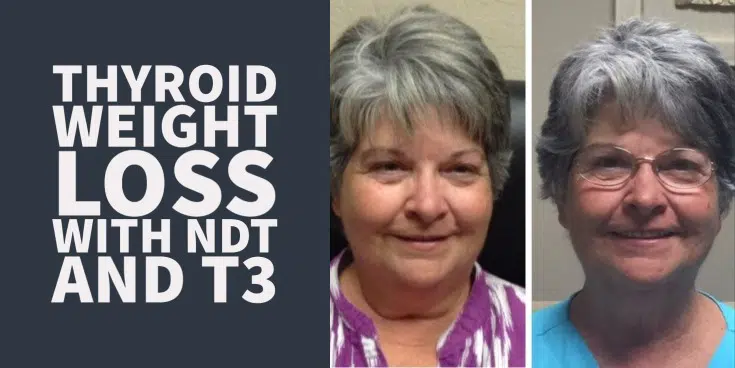
thyroid weight loss case study

Thyroid Weight Loss Case Study: 42 Pounds Lost on T3 & NDT

Once Kathy had the right diagnosis and treatment plan in place she was able to lose 42 pounds in a matter of months… But the real question is: Why did it take her 5+ doctors to find and treat her and what does it take to help thyroid patients lose this kind of weight? ​The …

Read the Full Article

Why hypothyroidism is worse with iron deficiency

Why Hypothyroidism is Worse with Iron Deficiency

Did you know that iron deficiency may be one of the reasons your thyroid symptoms remain out of control even while taking thyroid medication? Iron deficiency is one of the most common nutrient deficiencies seen in hypothyroid patients.  It’s up there with B12 deficiency, magnesium deficiency, and vitamin D deficiency.  Not only is it common, …

Read the Full Article

0