
- Your body needs at least 13 different nutrients to properly produce and convert thyroid hormone, and most thyroid patients are deficient in several of them.
- Vitamin B12, zinc, selenium, and iron are among the most commonly missed deficiencies in hypothyroid patients, and replacing them can significantly reduce symptoms.
- Not all supplements are created equal — look for the right forms and dosages backed by research, not just whatever is cheapest on the shelf.
- Probiotics are essential for thyroid patients because gut health directly affects thyroid hormone conversion and immune function.
- Iodine supplementation should be approached carefully — while it is critical for thyroid hormone production, too much can worsen Hashimoto's in some patients.
Would it surprise you to know that it takes at least 13 different nutrients to properly create and convert thyroid hormone to its active form?
Or that by replacing these nutrient deficiencies with thyroid supplements you may be able to reduce your symptoms of hypothyroidism?
You’re not alone…
If you are considering taking supplements to boost your thyroid function to help you feel better there are some things you need to know first.
Not all supplements are created equal and everyone out there claims to have the “best product”.
Which is why I created this guide.
I‘ve been helping hypothyroid patients for years and I’ve found certain supplements help thyroid patients feel better and I want to share these with you.
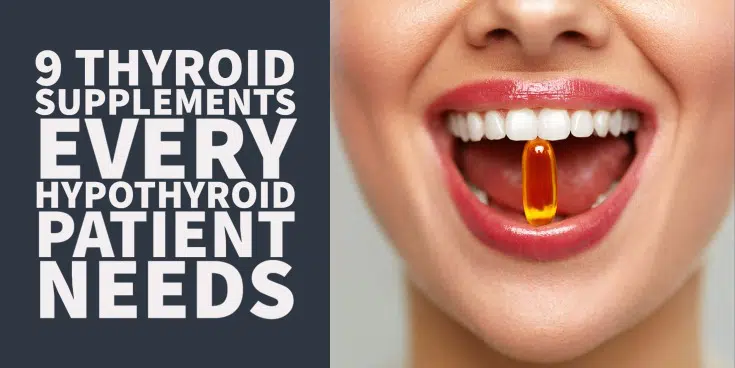
In this article, I’m going to go over the top 9 thyroid supplements that you should consider using if you want your help your thyroid function the way it was designed to function…
#1. Vitamin B12
Vitamin B12 is the first vitamin we are going to talk about today and for good reason:
Based on studies as many as 40% of patients with hypothyroidism are ALSO vitamin B12 deficient [5].
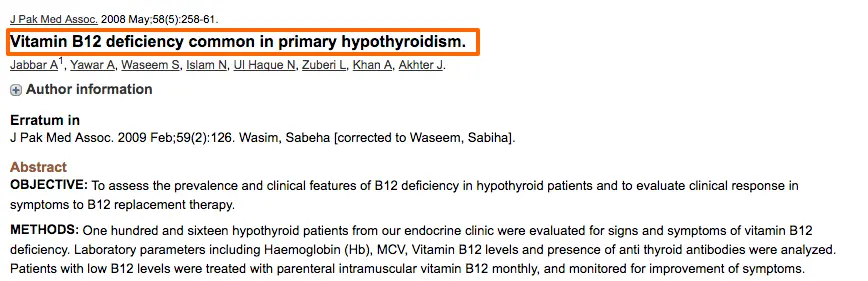
And that’s very concerning when you consider the symptoms of B12 deficiency:
- Fatigue
- Shortness of Breath
- Anemia
- Neurological changes which can mimic dementia [6]
- Difficulty with concentration or brain fog
Do you see the problem here?
Many of these symptoms are also symptoms of hypothyroidism so you may be walking around with both issues.
This means that you may be taking the right type and dose of thyroid medication but your symptoms may persist if you don’t also replace your low vitamin B12.
How do you know if you should supplement with B12?
Signs You May Need B12
You might be tempted to just order some lab tests to figure out if you need to supplement, but it’s not quite that straightforward.
One major problem with B12 testing is most tests are not accurate.
Without getting too much into the weeds here, you should know that there are 3 basic ways to test for B12 and each one has faults.
The most accurate test is also the most expensive and it really doesn’t make sense to order it because it’s cheaper to just purchase a B12 supplement than it is to pay for the test.
Given the fact that so many thyroid patients don’t have enough B12 in their system and that testing is inaccurate and that supplementing is cheap and safe, I think shotgun supplementing makes the most sense.
The question is, what type and form of B12 should you use?
For thyroid patients, the answer is usually pretty straightforward:
Choosing a B12 Form for Thyroid Support
Due to the impact that low thyroid has on stomach acid and the absorption of vitamin B12, getting your B12 from shots is usually the best source.
If you don’t like the idea of getting shots, or if you can’t find someone to provide them to you then oral B12 in capsule form or sublingual B12 will do the job as well.
No matter what way you choose to get your B12, you should make sure that you are getting a pre-methylated and pre-activated form of B12.
Cheap forms of vitamin B12 like cyanocobalamin require extra steps to become activated by the body and even result in the creation of goitrogenic compounds.
For this reason, you will want to look for methylcobalamin, adenosylcobalamin, or hydroxycobalamin.
These forms are ready to be used, will not result in the creation of toxic byproducts, and are safe for those with MTHFR genetic mutations.
You can see an example of the type, form, and dose of vitamin B12 you should be looking for as a thyroid patient in this supplement.
#2. Adrenal Support
Many hypothyroid patients suffer from both thyroid and adrenal problems.
Adrenal support refers to the use of nutrients and vitamins that help your adrenal glands produce powerful and important hormones such as cortisol.
Cortisol is a hormone released in times of stress which helps thyroid hormone (and other hormones) function.
By repeatedly taxing your adrenals (through stress or through thyroid dysfunction) you can cause adrenal-related issues which create a cascade of very specific symptoms.
This is important for your thyroid because we know that thyroid hormone is intricately linked to adrenal function.
As your TSH increases (hypothyroidism) your cortisol levels will rise as well [7] leading to the symptoms of adrenal fatigue.
This connection explains why so many thyroid patients also suffer from the symptoms of adrenal fatigue.
But perhaps even more important is the fact that treating yourself with thyroid hormone may not be sufficient to “heal” your adrenal glands.
I mentioned that the symptoms of adrenal fatigue are very specific, and that’s true. You can find a list of the symptoms associated with adrenal dysfunction below:
- Constant fatigue despite sleeping 8 hours at night
- Feeling “wired but tired”
- Experiencing a crash around 2-3 pm each day
- Getting your “second wind” at night around 10 pm
- Difficulty falling asleep
- Racing mind and thoughts
- Inability to tolerate stressful events
- Cravings for salty/sugary foods
- Always getting sick or having a weakened immune system
The presence of these symptoms indicates a disruption in cortisol. This disruption can either be at the cellular level or it can be in the absolute concentration of cortisol in your serum.
#3. Zinc
Zinc is perhaps one of the most important and often missed, nutrient deficiencies found among hypothyroid patients.
In fact, there is a good chance that you have sub-optimal levels of zinc present in your body as you are reading this.
And this doesn’t bode well for your thyroid, given how many thyroid processes zinc is involved in.
One of the most important of these functions is the role that zinc plays in the conversion of T4 to T3.
Because zinc is required for thyroid conversion (T4 to T3 conversion), low levels of zinc may predispose you to develop high levels of reverse T3 and which may limit thyroid function [10].
These changes can also be identified through lab tests as low free T3 and low total T3.
But that’s not all zinc does…
The other benefits of zinc, as it relates to your thyroid, include:
- Enhanced immune function [1] – This is particularly important if you have Hashimoto’s thyroiditis or other autoimmune diseases.
- Increases T4 to T3 conversion – This helps normalize your free thyroid hormone levels (required for weight loss and symptom management)
- Acts as an anti-inflammatory agent – Helpful in those with Hashimoto’s or other causes of thyroiditis.
- Plays a role in reducing oxidative stress.
A severe deficiency in zinc may result in hypothyroid symptoms which can be reversed with supplementation [11].
Zinc deficiency is also associated with hair loss and alopecia, a troubling symptom that many hypothyroid patients face despite taking thyroid medication.
The real benefit to using zinc is that supplementing may help to improve thyroid function (if you are deficient) and help to reduce hair loss and improve hair quality.
Testing for zinc in the serum or plasma is generally not recommended as many people with “normal” values still present with the symptoms of zinc deficiency.
This idea was highlighted in this study which showed that the best way to confirm and treat zinc deficiency is with a trial of zinc supplementation, in fact, this is considered to be the “gold standard” [11].
If you suspect that sub-optimal zinc levels may be contributing to your hypothyroid symptoms then a trial of zinc may be appropriate.
Zinc Dosage
The dosage of zinc necessary to improve thyroid function is usually somewhere between 5 and 15mg of zinc per dose.
If you are severely zinc deficient then you may benefit from using a higher dose for 1-2 months. This will allow you to build up your zinc ‘storage’.
Once you have repleted zinc stores in your body, you can safely back down to a smaller daily dose which is just as effective in helping to improve thyroid function.
The most effective forms of zinc to use for thyroid support include zinc chelate, zinc monomethionine, zinc gluconate, zinc acetate, and zinc citrate.
If you are not using one of these forms then you will want to switch to one!
These formulations of zinc tend to be better absorbed compared to other formulations.
If you want to get the correct form of zinc in the right dose, then check out this supplement.
#4. Iron
I know I sound like a broken record here but Iron is another huge player when it comes to your thyroid.
But it is also unique among the nutrients that I am going to discuss in this article because it’s not something that you want to take unless you are sure you are deficient.
Other nutrients such as vitamin B12, zinc, selenium, etc. are considered to be incredibly safe nutrients that you should be able to take and tolerate without issue.
Iron, on the other hand, can potentially be harmful to your body if you use it without a documented deficiency.
It’s certainly safe to use, but it should only be used if you know you are deficient.
Now, with that warning out of the way, let’s go back to how iron impacts your thyroid.
It’s so important I’ve dedicated an entire post to it that you can read here, which outlines how hypothyroidism is worse in the presence of iron deficiency.
In a nutshell:
Iron is involved in the production of thyroid hormone from your thyroid gland.
Low levels of iron, therefore, worsen existing thyroid function (make your symptoms worse) [12].
In addition, as thyroid levels fall (even slightly) your body will have a difficult time absorbing iron in the intestinal tract.
This sets you up for further iron deficiency and worsening thyroid function.
Do you see the vicious cycle here?
What makes matters worse is that most physicians don’t treat iron deficiency unless it also causes anemia (low red blood cells).
It’s certainly possible to have an iron deficiency that doesn’t cause anemia but which still impairs thyroid function in your body [13].
Identifying iron deficiency is actually quite easy and can be tested with routine blood work (more on that below) and combined with your symptoms.
To identify this problem all you need to do is ask for basic “iron studies” with your next set of blood work.
Once you have these labs you will want to focus on your ferritin level which tells you how much iron you have stored in your body.
Low levels of ferritin are associated with iron deficiency and impaired thyroid function.
You can also identify the presence of iron deficiency by assessing your clinical symptoms.
List of symptoms associated with Iron deficiency:
- Fatigue and weakness
- Shortness of breath (worse with exertion or exercise)
- Pale skin (especially in the creases of the hands)
- Dizziness or a sensation of lightheadedness
- Intolerance to exercise
- Cold hands and cold feet
- Brittle nails and hair loss (Iron deficiency is a VERY common cause of hair loss)
Again, notice the similarities between iron deficiency symptoms and the symptoms of hypothyroidism.
Often times it’s difficult to differentiate between these nutrient deficiency syndromes and hypothyroid symptoms unless you know to CHECK and understand your labs.
Don’t make the mistake of assuming that your doctor will understand this information, you may need to be an advocate for your own health, especially when it comes to using vitamins and supplements.
Once you have identified the presence of low iron you can begin treatment with over-the-counter iron supplements (but just be sure to do this with physician supervision as too much iron can be harmful).
#5. Magnesium
Magnesium is another big player for hypothyroid patients because hypothyroidism causes dysregulation of magnesium metabolism.
Hypothyroid patients may actually have normal serum and RBC magnesium levels but studies have shown decreased intracellular amounts of magnesium [15] in these patients.
That means you can’t always trust our limited laboratory tests when evaluating if you are deficient! (The same can be true of other serum ‘nutrient’ tests, which is why I don’t always rely on them).
These studies also show that both magnesium and zinc appear to be lower in hypothyroid patients due to increased clearance of both nutrients in the kidneys [16].
One thing is for sure:
You really don’t want to be deficient in this nutrient because a deficiency can cause a number of symptoms ranging from heart problems [17] (arrhythmia) to nervous system disorders.
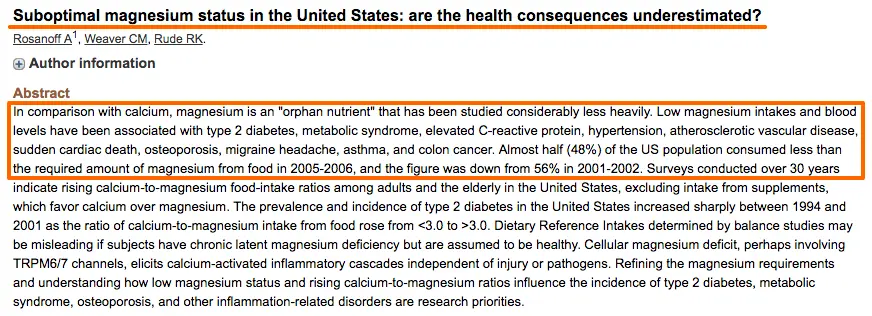
What’s more concerning is that many patients in the USA, even those without thyroid issues, have suboptimal levels of this nutrient [18]:
So how do you know if you should supplement with Magnesium or if you are deficient?
Follow the signs…
Symptoms of Magnesium deficiency include:
- Muscle cramps or eye twitches
- Anxiety or agitation
- Restless leg syndrome
- Sleep disorders ranging from insomnia to REM disturbances
- Poor nail growth
- See the full list [30]here
#6. Selenium
I’m sure you’ve heard about selenium if you have hypothyroidism and especially if you have Hashimoto’s thyroiditis.
Why?
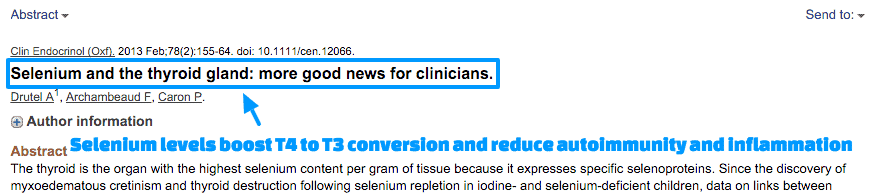
Because not only is selenium involved in the T4 to T3 conversion process [10], but there are also some studies that show that supplementing with selenium can help reduce TPO antibodies [19].
How does selenium help improve these processes?
Selenium is a trace mineral that forms the backbone of a specific set of proteins known as selenoproteins.
These proteins catalyze important functions such as the creation of thyroid hormones and the creation of anti-oxidants in the thyroid gland [20].
Insufficient selenium levels may impair the function of these proteins and predispose you to develop low thyroid hormone and thyrocyte damage (damage to your thyroid cells).
Studies have shown that supplementing with selenium may help improve thyroid function and reduce thyroid antibodies by providing your body with this important mineral.
Sound pretty good right?
And, that’s not all…
Selenium is also a powerful anti-inflammatory agent [21] and using this nutrient may potentially help reduce inflammation (and autoimmunity) in certain patients.
You can find more information about symptoms of selenium deficiency and in-depth analysis here and how selenium helps improve your thyroid here.
Selenium Dosage
All patients with hypothyroidism and Hashimoto’s thyroiditis should be evaluated for selenium deficiency and treated if necessary.
Like zinc, a trial of selenium may be the best way to determine if you will benefit from using it.
Doses of at least 100 mcg per day have been shown to be effective [22].
But what about your dose?
Most of the nutrients we have discussed up until this point are fairly safe, even if used in large amounts.
But selenium is not one that you want to take more than necessary.
Doing so may cause negative symptoms such as hair loss, diarrhea, fatigue, and nail issues.
You can avoid these symptoms by keeping your daily dose between 70 mcg to 150 mcg per day.
As a thyroid patient, you will probably get better results by combining selenium with other minerals such as zinc and iodine.
For ease, combining your zinc, iodine, and selenium into one supplement makes a lot of sense.
You can always take them individually but just be sure you are getting the right doses and the right formulations of each.
#7. Probiotics
I think probiotics are a potentially easy and great way to boost your thyroid naturally.
But what do Probiotics and Thyroid function have in common?
A lot, it turns out.
For starters, about 20% of T4 to T3 conversion occurs in the gut [23].
What this means for you is that intestinal issues (more on those below) can negatively impact this percentage.
This may mean less free T3 and total T3 for your body.
In addition, inflammatory conditions in the gut [24] predispose the body to develop autoimmune diseases and worsening thyroid function.
So how do thyroid function and the gut play together?
It turns out that thyroid hormone helps the body produce stomach acid (which helps with digestion) and stimulates peristalsis, the slow movement of the GI tract.
Low thyroid hormone promotes low stomach acid which promotes intestinal issues, nutrient deficiencies, and the overgrowth of certain bacteria and fungi.
Low thyroid hormone also promotes a sluggish GI tract which predisposes the body to develop constipation, SIBO, and yeast overgrowth syndromes (like Candida).
Both syndromes cause inflammation which can promote autoimmunity and thus either directly damage the thyroid or lead to decreased T4 to T3 conversion.
Do you see the cycle here?
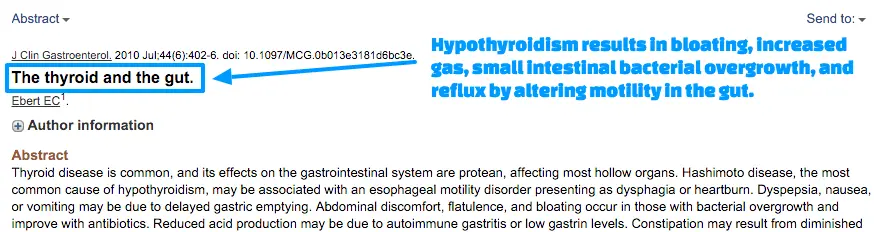
This is exactly why it’s so critical to evaluate and treat any GI-related issues that you may have because they are either caused by hypothyroidism and/or they are making your thyroid function WORSE.
#8. Enzymes
Enzymes make their way into the list because of how important they can be in helping your body break down nutrients but also medications.
As you already know, low thyroid = low stomach acid [27] = poor digestion.
But what you might not be aware of is how difficult it can be to break down certain medications (even thyroid hormone) when you have low stomach acid.
For this reason, in patients who have BOTH hypothyroidism (or Hashimoto’s) plus GI-related issues, I recommend that they also take enzymes to help with digestion.
In fact, I have seen some patients with Hashimoto’s who start taking NDT cause a temporary spike in antibodies as a result of this poor digestion.
Remember:
The inability to break down food products completely results in abnormal absorption of particles that your body isn’t used to seeing which may influence autoimmunity [28].
Signs You May Need Digestive Enzymes
I generally recommend a trial of enzymes with every meal (and in between meals) if you have Hypothyroidism or Hashimoto’s PLUS gut issues (GERD, IBS, IBD, chronic constipation, SIBO, or yeast overgrowth).
It’s also worth mentioning that taking enzymes in between meals can help promote the breakdown of immune complexes [31] in the bloodstream.
So take enzymes WITH food and WITHOUT.
You can get a comprehensive set of enzymes in this supplement.
#9. Iodine
Iodine is another nutrient that deserves a lot more attention than we can give it here (for more info please see this article) but I should at least mention its importance.
Stating that iodine is involved in thyroid hormone production is an understatement.
The iodine moiety on the thyroid hormone backbone is what makes it active.
In fact, 4 iodine molecules help create T4 and the removal of 1 iodine moiety by deiodinase enzymes can either activate or inactive thyroid hormone.
These deiodinases help regulate the conversion of T4 to T3 and help maintain cellular T3 activation (or inhibition).
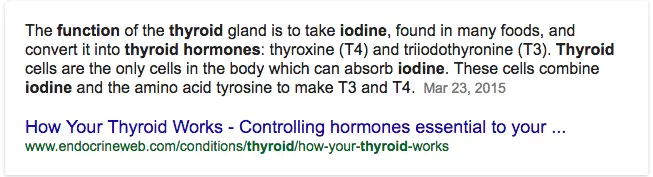
It should come as no surprise then that if you are deficient in iodine you will have problems creating thyroid hormone.
If you can’t produce enough thyroid hormone then you will experience the symptoms of hypothyroidism.
Iodine is an essential nutrient that humans MUST get from their diet (or supplements). We can not create it ourselves and we need it to function.
Insufficient iodine is associated with hypothyroidism and low IQ in newborns if the mother is deficient.
This is why the government places iodine in certain foods (such as salt).
The problem doesn’t come with knowing its importance but with understanding how to supplement it correctly.
Taking excessive iodine can be harmful to your thyroid gland while taking an insufficient amount can be damaging as well.
Iodine, like iron, is another nutrient you don’t want to have too much of, just like you don’t want to have too little.
Finding that balance can be difficult.
Another problem with Iodine supplementation is that it can displace other halides [32] which stick to thyroid hormone molecules but inactivate the thyroid hormone.
I’m talking about fluoride, bromide, and chloride.
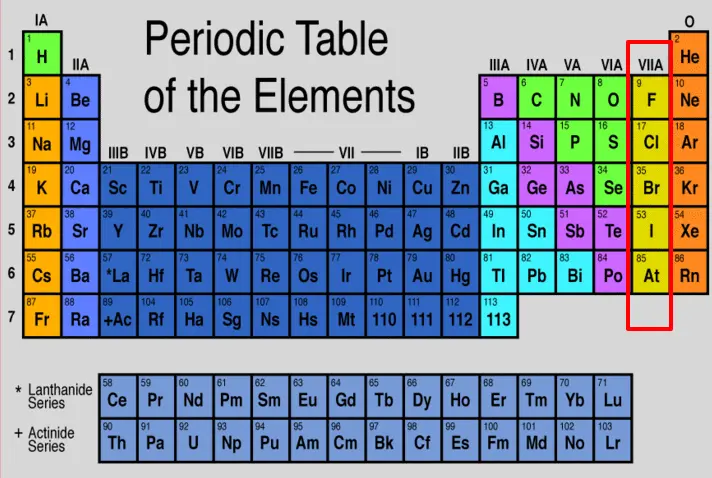
You can see from the image above that iodine, fluoride, chloride, and bromide all share a similar structure in terms of their electron outer shell.
What that means to you is that these other chemicals can displace iodine on thyroid hormone and cause cellular hypothyroidism with “normal” thyroid labs.
And, when you give a patient who has this issue iodine, it may displace the other chemicals and cause a detox reaction.
The detox reaction shares the symptoms of bromoderma and bromism (but usually not as severe).
The detox reaction can present as worsening thyroid symptoms, acne, pustules in the face, nausea/vomiting, irritability, etc.
These symptoms are often confused with a negative reaction to the iodine itself when in fact the symptoms are due to the detoxification of the other halides in the body.
Iodine Dosage and Thyroid Safety
Some people are hesitant to use iodine because they believe it is dangerous and that it may make their thyroid function worse.
This fear is largely unfounded, provided you use the appropriate dose of iodine.
There are several stories, even some on this blog, of patients reporting that taking high doses of iodine triggered Hashimoto’s in their bodies.
Some clinical studies also confirm that there is a relationship between the development of Hashimoto’s and iodine use [29].
My personal opinion is that iodine is not necessarily causing Hashimoto’s in these individuals but accelerating the disease which probably would have eventually established itself at some point in the future.
This potential outcome, while rare, can be avoided by taking iodine with other thyroid-protective nutrients such as selenium.
You can also protect against negative outcomes by taking a low to moderate dose of iodine and by avoiding excessively high doses.
Some people are able to take 25 to 50mg (milligrams) per day without any issues. These people often recommend that everyone takes doses in this range.
To put this into perspective, 1mg is equal to 1,000 mcg. So 25 mg of iodine is equal to 25,000 mcg or roughly 125x the dose that I recommend.
You may be able to titrate up to that dose without harm, but the potential negative effects outweigh the small potential benefit in my opinion.
Stick to doses of 75 mcg to 300 mcg per day and take your iodine with selenium and zinc and you shouldn’t have any issues.
How Supplements Fit Into Thyroid Treatment
As I’ve mentioned above, these supplements can definitely offer therapeutic benefits to many patients…
But they shouldn’t be used alone.
Thyroid supplements should be used as part of a treatment plan that attempts to remove all negative stressors from life and put back in the things that your body lacks.
That means proper diet, stress reduction techniques, the right amount of sleep, and exercise are all JUST as (if not more important) than replacing these lost nutrients.
For more info on where to start adding in these other areas please see my post here.
To wrap it up:
These 9 Thyroid supplements, if used in the right scenario, can help boost thyroid function and help reduce your symptoms:
- Vitamin B12 (Remember you need either sublingual or injections)
- Adrenal support (Thyroid function and adrenal function are linked)
- Zinc
- Iron (You need just the right amount – not too much and not too little)
- Magnesium (Magnesium citrate for constipation, glycinate for hypothyroidism, and threonate for anxiety/depression)
- Selenium (Very helpful in patients with Hashimoto’s)
- Probiotics (Put preference on soil-based organisms, bifido and lacto strains, and beneficial yeast)
- Proteolytic enzymes (Helpful in digesting food and breaking down immune complexes)
- Iodine
Now it’s your turn:
Have you tried the supplements on this list?
If so, have they helped improve your thyroid? Why or why not?
Are you planning on using any of the supplements listed here? Why or why not?
Leave your questions or comments below!
Scientific References
1. Shankar AH, et al. (1998). Zinc and immune function: the biological basis of altered resistance to infection. The American journal of clinical nutrition. doi:10.1093/ajcn/68.2.447S.
2. Singer E (1936). Effects of vitamin E deficiency on the thyroid gland of the rat. The Journal of physiology. doi:10.1113/jphysiol.1936.sp003406.
3. Pinto JT, et al. (2016). Riboflavin. Advances in nutrition (Bethesda, Md.). doi:10.3945/an.116.012716.
4. Shakir KM, et al. (1995). Nicotinic acid decreases serum thyroid hormone levels while maintaining a euthyroid state. Mayo Clinic proceedings. doi:10.4065/70.6.556.
5. Jabbar A, et al. (2008). Vitamin B12 deficiency common in primary hypothyroidism. JPMA. The Journal of the Pakistan Medical Association.
6. Osimani A, et al. (2005). Neuropsychology of vitamin B12 deficiency in elderly dementia patients and control subjects. Journal of geriatric psychiatry and neurology. doi:10.1177/0891988704272308.
7. Walter KN, et al. (2012). Elevated thyroid stimulating hormone is associated with elevated cortisol in healthy young men and women. Thyroid research. doi:10.1186/1756-6614-5-13.
8. Starks MA, et al. (2008). The effects of phosphatidylserine on endocrine response to moderate intensity exercise. Journal of the International Society of Sports Nutrition. doi:10.1186/1550-2783-5-11.
9. Panossian A, et al. (2005). Stimulating effect of adaptogens: an overview with particular reference to their efficacy following single dose administration. Phytotherapy research : PTR. doi:10.1002/ptr.1751.
10. Olivieri O, et al. (1996). Selenium, zinc, and thyroid hormones in healthy subjects: low T3/T4 ratio in the elderly is related to impaired selenium status. Biological trace element research. doi:10.1007/bf02790145.
11. Betsy A, et al. (2013). Zinc deficiency associated with hypothyroidism: an overlooked cause of severe alopecia. International journal of trichology. doi:10.4103/0974-7753.114714.
12. He L, et al. (2018). Evaluation of serum ferritin and thyroid function in the second trimester of pregnancy. Endocrine journal. doi:10.1507/endocrj.EJ17-0253.
13. Clénin GE (2017). The treatment of iron deficiency without anaemia (in otherwise healthy persons). Swiss medical weekly. doi:10.4414/smw.2017.14434.
14. Lynch SR, et al. (1980). Interaction of vitamin C and iron. Annals of the New York Academy of Sciences. doi:10.1111/j.1749-6632.1980.tb21325.x.
15. Jones JE, et al. (1966). Magnesium metabolism in hyperthyroidism and hypothyroidism. The Journal of clinical investigation. doi:10.1172/jci105404.
16. Dolev E, et al. (1988). Alterations in magnesium and zinc metabolism in thyroid disease. Metabolism: clinical and experimental. doi:10.1016/0026-0495(88)90030-3.
17. Jahnen-Dechent W, et al. (2012). Magnesium basics. Clinical kidney journal. doi:10.1093/ndtplus/sfr163.
18. Rosanoff A, et al. (2012). Suboptimal magnesium status in the United States: are the health consequences underestimated?. Nutrition reviews. doi:10.1111/j.1753-4887.2011.00465.x.
19. Gärtner R, et al. (2002). Selenium supplementation in patients with autoimmune thyroiditis decreases thyroid peroxidase antibodies concentrations. The Journal of clinical endocrinology and metabolism. doi:10.1210/jcem.87.4.8421.
20. Schomburg L (2011). Selenium, selenoproteins and the thyroid gland: interactions in health and disease. Nature reviews. Endocrinology. doi:10.1038/nrendo.2011.174.
21. Negro R (2008). Selenium and thyroid autoimmunity. Biologics : targets & therapy. doi:10.2147/btt.s2746.
22. Turker O, et al. (2006). Selenium treatment in autoimmune thyroiditis: 9-month follow-up with variable doses. The Journal of endocrinology. doi:10.1677/joe.1.06661.
23. Hays MT (1988). Thyroid hormone and the gut. Endocrine research. doi:10.3109/07435808809032986.
24. Campbell AW (2014). Autoimmunity and the gut. Autoimmune diseases. doi:10.1155/2014/152428.
25. O’Callaghan A, et al. (2016). Bifidobacteria and Their Role as Members of the Human Gut Microbiota. Frontiers in microbiology. doi:10.3389/fmicb.2016.00925.
26. Heeney DD, et al. (2018). Intestinal Lactobacillus in health and disease, a driver or just along for the ride?. Current opinion in biotechnology. doi:10.1016/j.copbio.2017.08.004.
27. Ebert EC (2010). The thyroid and the gut. Journal of clinical gastroenterology. doi:10.1097/mcg.0b013e3181d6bc3e.
28. Cusick MF, et al. (2012). Molecular mimicry as a mechanism of autoimmune disease. Clinical reviews in allergy & immunology. doi:10.1007/s12016-011-8294-7.
29. Słowińska-Klencka D, et al. (2002). Fine-needle aspiration biopsy of the thyroid in an area of endemic goitre: influence of restored sufficient iodine supplementation on the clinical significance of cytological results. European journal of endocrinology. doi:10.1530/eje.0.1460019.
30. Alin Gragossian, et al. (2023). Hypomagnesemia.
31. Mantle D, et al. (2002). Adverse and beneficial functions of proteolytic enzymes in skeletal muscle. An overview. Adverse drug reactions and toxicological reviews. doi:10.1007/BF03256182.
32. Singh N, et al. (2014). A comparative study of fluoride ingestion levels, serum thyroid hormone & TSH level derangements, dental fluorosis status among school children from endemic and non-endemic fluorosis areas. SpringerPlus. doi:10.1186/2193-1801-3-7.