

- SIBO (small intestinal bacterial overgrowth) frequently goes undiagnosed but directly impacts thyroid function and worsens hypothyroid symptoms through inflammation and malabsorption.
- An 8-step protocol addressing diet, testing, antimicrobial treatment, and long-term management gives you the best chance of eliminating SIBO and preventing recurrence.
- You must treat both SIBO and SIFO (fungal overgrowth) simultaneously, as they often coexist and using antibiotics alone without antifungal treatment will leave you vulnerable to relapse.
- Certain foods and eating patterns perpetuate bacterial overgrowth, so dietary changes during and after treatment are essential to maintaining your results long-term.
- Testing for SIBO should happen before treating with antibiotics so you can confirm the diagnosis and monitor whether your treatment actually worked.
Gas, bloating, and constipation.
What do these three things have in common?
They may be caused by SIBO, SIFO, or yeast overgrowth inside your body…
SIBO is an inflammatory condition that can cause problems in all systems in your body.
Because it can be so difficult to treat it requires a combination of a specific diet, special treatment (including antibiotics and/or herbal therapies), and certain herbs to help boost intestinal movement (AKA prokinetics).
All of these need to be balanced while trying to find and treat the CAUSE of SIBO.
If you don’t address the cause of the SIBO, then it is likely to come right back – even after treatment!
If you’ve been recently diagnosed with SIBO or you’re wondering what types of food you can/should eat then this is the post for you.
If you have hypothyroidism or Hashimoto’s, pay close attention. Research shows that up to 50% of hypothyroid patients have SIBO, and in many cases the thyroid is the underlying cause, not just a coincidence. Treating SIBO without addressing the thyroid first is one of the main reasons it keeps coming back.
Did I mention that I also suffered from SIBO and used this exact treatment plan to heal myself?
Because I’ve been through this and have experienced the symptoms I’ve gone to great lengths to make this a VERY comprehensive guide…
We are going to dive into ALL of the following in detail:
- What you should and shouldn’t be eating
- All the symptoms of SIBO and what to do if you think you have it
- The connection between SIBO and Hypothyroidism that you don’t want to miss
- The Diet I use on my patients and have had significant success with
- How to treat SIBO (Using antibiotics and/or herbal therapies)
SIBO – Are you being Misdiagnosed or Mismanaged?
Why is SIBO such a big deal?
First of all:
It’s a VERY common condition.
As many as 4-78% of patients with IBS have SIBO [1] and as many as 50% of patients with hypothyroidism have SIBO [2].
Not only is SIBO incredibly common but it is often missed by many Doctors who aren’t aware of this diagnosis, treatment, or its implications on hormones.
I should also point out that SIBO (small intestinal bacterial overgrowth) is usually accompanied by small intestinal fungal overgrowth (AKA yeast overgrowth or Candida).
When was the last time your Doctor mentioned the word SIBO, SIFO, or yeast overgrowth to you? When was the last time your GI Doctor brought it up?
Second of all:
SIBO is an inflammatory condition in the GI tract.
It is caused by an overgrowth of bacteria where they shouldn’t be – in the small intestines.
It sounds like it would be good, but it isn’t.
This overgrowth of bacteria causes a number of issues:
- Decreased T4 to T3 conversion [3] (makes hypothyroidism worse)
- Increased inflammation in the GI tract [4]
- Constipation due to the production of methane gas [5]
- Changes in your GI Microbiome [6] (leading to changes in genetic transcription)
- Irritable bowel syndrome-like symptoms [7]
- Decreased digestion of food
- Acid reflux or changes in stomach acid [8]
- Malabsorption of nutrients
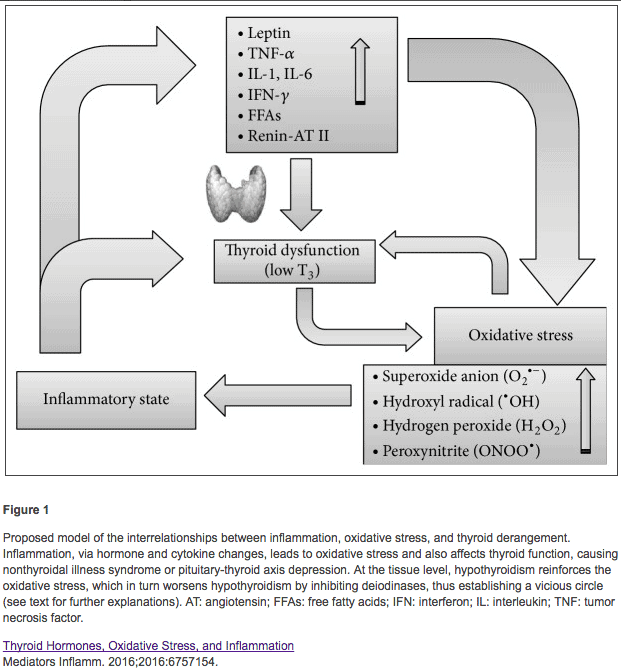
The list goes on…
It’s not as important to focus on what it leads to so much as what causes it.
If you have an idea as to what is causing SIBO in your body you will better be able to treat it.
And treating the root cause of SIBO is VERY important, because if you don’t treat the underlying issue then it is very likely to come back.
At the heart of the problem, most cases of SIBO are caused by slowing down the GI tract.
As the GI tract slows down, the food stays in the GI system longer which allows for more fermentation to occur.
As fermentation occurs your gut bacteria grow and grow, leading to overgrowth.
So what causes the GI tract to slow down?
- Hypothyroidism or Low T3 syndrome
- Insulin resistance, Diabetes mellitus [9], or nerve damage from high blood sugar levels
- Celiac disease [10] or gluten intolerance
- Getting older [11]
- Changes in stomach acid (as seen with proton pump inhibitors or hypothyroidism [12])
- Vagal nerve damage [13] (trauma, etc.)
- Autonomic nerve dysfunction
Basically, anything that may cause nerve issues, slow the GI tract, or lead to gut bacteria changes may predispose you to develop SIBO.
So, how do you know if you really have it?
SIBO Symptoms – What your Body is Trying to Tell You
While one of the best ways to diagnose SIBO is through a breath test which tells you how much hydrogen/glucose/lactulose [14] your bacteria ferment.
Unfortunately not every physician agrees with the diagnosis, so sometimes a Doctor may call and negative result positive and vice versa.
For a number of reasons, I will frequently use clinical signs and symptoms to start treatment and perform the breath test to confirm eradication.
In my opinion testing prior to treatment in EVERY patient isn’t always necessary, especially if your symptoms are spot on.
In more complex cases where the symptoms aren’t as clear cut, then it may be a good idea to START with testing.
Let’s say you don’t have a physician willing to work with you and you are trying to base your treatment on symptoms alone…
What should you be looking for?
- Gas and bloating [15], especially 30-60 minutes after a meal
- Bad constipation resistant to laxatives and herbal remedies
- Abdominal Distention
- Nausea or vomiting – especially after meals or
- Nutrient malabsorption (Chronic vitamin D deficiency, Vitamin B12 deficiency, etc. – especially if resistant to oral supplements)
- Unexplained abdominal pain or symptoms that coincide with irritable bowel syndrome (IBS)
- Gas and bloating after taking certain probiotics
- Constipation that is WORSE after taking certain probiotics
- History of extensive proton pump inhibitors or acid-blocking drugs
If you have any of these symptoms, especially if you have any of the medical conditions listed above – then you may consider jumping to treatment instead of performing the breath test first.
We are going to talk about treatment extensively later in this post – so, for now, sit tight because I want to make a quick point…
The Connection between SIBO and Hypothyroidism
Hypothyroidism is a VERY common cause of SIBO and SIFO and unfortunately, this is another condition frequently missed by conventional doctors.
Because this blog focuses on thyroid disorders and issues I would be remiss not to mention the strong connection between SIBO, SIFO, and hypothyroidism!
This connection is important for several reasons:
1. Many of you might be walking around with undiagnosed hypothyroidism or Hashimoto’s – Thyroid issues are VERY common [16] (the second most commonly diagnosed hormone imbalance)
2. Without treating the CAUSE of SIBO and SIFO it is very likely to come back, which means that in order to get rid of your SIBO you may need thyroid replacement treatment.
For these reasons I recommend that every patient who has SIBO/SIFO ALSO get tested for hypothyroidism if they have any of the following symptoms:
- Chronic fatigue (especially if you are sleeping 8 hours per night)
- Depression, anxiety, or mood disorders
- Changes in the menstrual cycle or other sex hormones
- Cold extremities including hands/feet
- Weight gain or weight loss resistance
- Hair loss, dry skin, acne, or loss of eyebrows
If you have any of these symptoms PLUS the symptoms of SIBO then it’s worth checking a complete thyroid panel to ensure that hypothyroidism isn’t the CAUSE of your SIBO.
The complete thyroid panel includes the TSH, Free T3, Free T4, Reverse T3, Sex hormone-binding globulin, and thyroid antibodies.
If you ALREADY have Hypothyroidism and you have the symptoms of SIBO then it’s worth checking these again to ensure that you are getting the correct treatment.
Most patients with Hypothyroidism may need thyroid medication containing T3 hormone to actually get symptomatic improvement.
Treating hypothyroidism is important because low thyroid can lead to a number of issues that may complicate GI function:
Low stomach acid – Thyroid hormone is involved in the production of Hydrochloric acid, low thyroid hormone = decreased digestion.
Decreased peristalsis – Thyroid hormone helps propel the intestinal tract forward, low thyroid hormone = slow movement of the GI tract.
Malabsorption of nutrients – Thyroid hormone is involved in the absorption of certain nutrients.
Ok – I think you get the point here:
If you have SIBO symptoms and hypothyroid symptoms then make sure you get your thyroid properly (keyword) evaluated.
SIBO and SIFO (AKA Yeast Overgrowth) – You really should be Treating Both
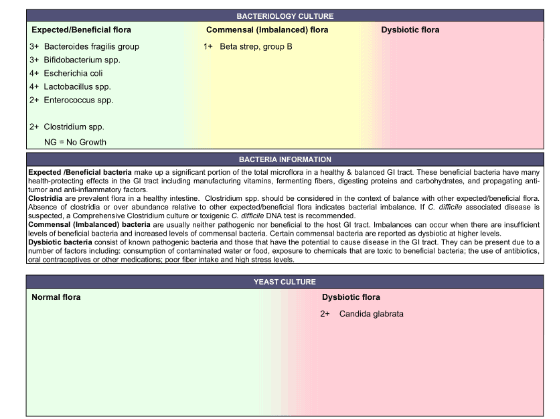
SIFO aka small intestinal yeast overgrowth frequently tags along with SIBO.
In my experience, this occurs more often than not – which means that treatment should be targeted toward BOTH.
Yeast overgrowth syndrome or SIFO was previously only a condition that “alternative” practitioners started to treat, but research shows that as many as 25% of patients with unexplained GI symptoms [17] have too much yeast in their intestines.
So if SIBO is an overgrowth of bad bacteria, SIFO is an overgrowth of yeast and fungus.
Many of the conditions that predispose patients to develop SIBO also cause SIFO.
This study showed that intestinal dysmotility [18] (as seen in hypothyroidism and with PPI use) predisposes patients to develop both SIBO and SIFO.
The problem with yeast overgrowth is that there isn’t a defined “amount” that signifies you have TOO much.
This means for now you are somewhat limited in terms of our ability to diagnose the condition. This is one of the main reasons why conventional doctors tend to ignore the condition.
For this reason, I recommend that patients with SIBO also make sure they treat SIFO and yeast overgrowth.
I will talk about that in the treatment section, but the good news about using herbs and supplements is that most of these supplements not only kill bacteria but they ALSO kill fungus and yeast.
Unfortunately, many of these yeasts can become resistant to the “typical” treatments because so many patients have already undergone “candida” type cleanses.
In reality, many of these patients probably thought they had yeast overgrowth when they really had SIBO and just weren’t completely treating the problem.
In these instances, it can be helpful to use an advanced GI stool test to characterize the type of yeast you have in your intestines and to specifically determine what types of supplements and medications YOUR yeast is sensitive to.
See below:
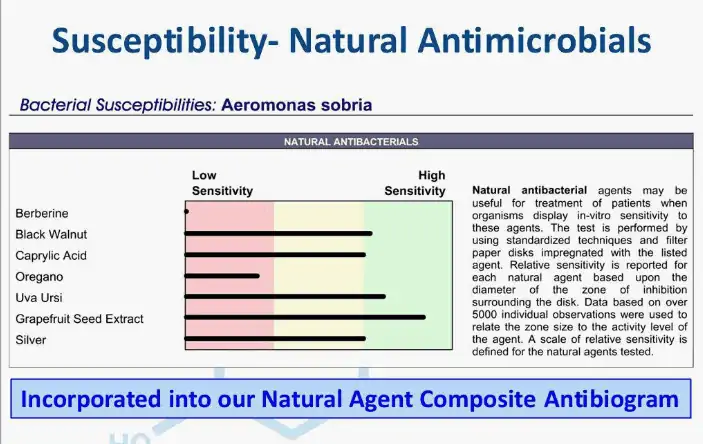
In the case above you can see that this particular bug is resistant to Berberine and Oregano – both of which are commonly used to treat SIBO and SIFO.
In this situation using the following supplements might be more effective: Black walnut, caprylic acid, grapefruit seed extract, and silver.
This should help highlight the importance of sensitivity testing in certain individuals that aren’t improving on “standard” therapy.
It’s also important to point out that this is exactly how Doctors in hospitals target antibiotic therapy for systemic bacterial infections.
They grow the bacteria on culture to figure out exactly what it is sensitive to, and then use those antibiotics for the best results.
SIBO Treatment: How to get rid of it and keep it away
Remember that for the MOST effective treatment you should make sure to not only treat the overgrowth of bacteria but to almost focus on finding and reversing the CAUSE of your SIBO, to begin with.
That means matching up the most likely cause to the treatment:
If your SIBO is due to insulin resistance then you must focus on the treatment options below plus take steps to reduce your blood sugar and insulin levels.
If your SIBO is due to hypothyroidism then you must focus on the treatment below PLUS managing your thyroid.
Etc. Etc.
If you’re curious as to which bacteria or other bugs might be potentially harmful to your GI tract I have included a list below:
- Blasocystits hominis
- Candida albicans and other yeasts
- Citrobacter freundii
- endolimax nana
- entamoeba histolytica
- giardia lamblia
- klebseilla pneumoniae
- proteus mirabilis
- pseudomonas aeruginosa
- helicobacter pylori
- group a streptococci, streptococcus pyogenes
- gamma strep and enterococcus
- staphylococcus aureus
- Aeromonas hydrophila
- dientamoeba fragilis
Because every single person is unique it can be difficult to determine WHICH bacteria is causing the problem in you.
Instead of focusing on which bacteria is causing the issue, focus on reducing the overall bacterial burden and putting the right foods in your body.
By doing this you will allow your body to take over and repopulate your intestinal tract with the beneficial bacteria necessary for optimal health.
Just remember that killing the bacteria is part of the problem once you’ve done that you need to focus on repopulating the GI tract with beneficial bacteria, healing the intestinal lining, taking the right supplements, and eating the right foods:
1. SIBO Diet + Food List & Guidelines
Diet is a critical step in healing SIBO.
Let me explain:
The overgrowth of bacteria in your small intestines like certain types of food and they use these products to grow.
The fermentation of certain foods is what leads to the symptoms.
So the goal of your diet is to AVOID these foods to basically “starve” out the bacteria.
You can “starve” them out by avoiding the food they feed off of or by adding in intermittent fasting (preferably both).
While starving them you will also be taking either herbal antibiotics or prescription antibiotics to further kill off the overgrowth.
Yes, you will be killing good bacteria in the process, but by using prebiotics you can help to only grow back certain beneficial bacteria.
There are multiple diets used to help treat SIBO and each has its advantages and disadvantages.
Ultimately you will find a lot of inconsistencies between the diets, so the main goal here should be to stick to one of the diets and your treatment protocol very closely.
If you aren’t seeing symptomatic improvement then you can switch up the diets.
The diets that tend to work the best for SIBO include:
- Low FODMAP’s Diet
- SCD Diet
- GAPS Diet
I’ve included the dietary recommendations I give to my patients in my clinic which is a combination of the SCD diet, GAPS diet, and low FODMAP diet.
I’ve found this diet to be effective in MANY patients:
*Note that these foods should be organic, grass-fed or free range if possible
Eat These Foods
Protein
(3-5 servings per day)
- Poultry: Chicken, Turkey, Wild game, Lamb
- Seafood: Wild Salmon (Canned, Fresh or Frozen), Small Halibut, Shrimp
- Eggs: Up to 3 Per Day **(Choose, Organic Free Range Eggs)
Fat
(2-3 tablespoons per day minimum)
- Oils (Cold): Olive oil, Flaxseed, Sesame
- Oils (Hot or Cold): Coconut, Grapeseed, Avocado oil, MCT, Fish oil, Hemp oil
- Nuts and Seeds:
- Nuts: Almonds, Pumpkin seeds, Peanuts, Sunflower seeds, Pecans, Macadamia nuts, Pine nuts, Walnuts
- Nut/seed butters: almond, cashew, pecan, macadamia, walnut
Veggies
(4 servings per day minimum)
- Broccoli, Brussels sprouts, Cabbage, Carrots, Cauliflower, Celery, Cucumber, Green beans, Eggplant, Endive, Kale, Kohlrabi, Leeks, Lettuce, Mushrooms, Mustard Greens, Parsley, Peppers (any), Pimento, Pumpkin, Radishes, Rutabagas, Scallion (green part only), Sauerkraut, Spinach, Squash, Tomatoes, Turnips
- **No onions or garlic**
Note: All vegetables should be eaten raw or lightly blanched (cook until color is vibrant). If you have digestive problems always blanch or steam your vegetables before eating.
Fruits
(2-3 servings per day)
- Currants, Guava, Limes, Raspberries, Strawberries, Loganberries, Kiwi, Gooseberries, Melons, Oranges, Tangerines, Rhubarb, Mangoes, Pineapple, Grapes, Lemons, Papayas, Blackberries, Cantaloupe, Prunes, Peaches
Serving size for fruits:
- Berries 1 1/2 cup
- Melons 2 cups
- Plums 2 small
- Others 1 medium size
Dairy
(2-3 servings per day)
- Kerrygold Butter, Ghee, Sour cream, Yogurt (Homemade only)
- **Must be raw or organic**
Other
(Additives)
- Herbs/spices, Mustard (no garlic), Vinegar (no balsamic), pickles, wasabi, tobasco, ginger, Mayonnaise (sweetened only with honey), Honey (only from alfalfa, cotton, clover, raspberry), stevia (pure and in small amounts)
Generally, I recommend that patients continue with the diet for 2-3 months while they are simultaneously undergoing treatment as outlined below.
Once the bacteria and fungal load have been decreased significantly with fasting, dietary changes, and antifungals/antibiotics, the reintroduction of fermentable foods is the necessary next step.
The reintroduction of foods high in prebiotics is required to help grow beneficial bacteria and yeast to repopulate the GI tract with healthy flora.
If the reintroduction of foods leads to negative side effects (gas, bloating, etc.) then further treatment and changes in antibiotics/herbs/etc. may be necessary.
If you fall into this category then you may need to seek further advanced testing to find sensitivities or stay on a prolonged treatment regimen.
2. Probiotics
Probiotics are a necessary part of SIBO treatment.
They act to rebalance the bacterial load and result in local environmental changes in the GI tract which allow for the normalcy of the GI tract.
The antibacterials (herbal or prescription) will kill both good and bad forms of bacteria.
Because of this, it is important to try and replace the lost bacteria.
Consider this study [19] which showed that dietary changes altered levels of bifidobacteria species in the gut (these are not necessarily the guys you want low in your system).
Having said that there are a few things to consider when using probiotics:
- Not all probiotics work for every person
- Some probiotics contain prebiotics (remember prebiotics help bacteria GROW which is not always good)
- Some patients do better when adding probiotics later (after using herbal and prescription antibiotics)
- Some patients do better STARTING with probiotics and using them throughout the treatment
- Generally, soil-based organisms are better tolerated than conventional lactobacilli and bifidobacteria-based probiotics
- Probiotics should be pulsed in high doses on occasion, used sporadically, and switched up every now and then – whenever possible try to avoid routine when using them
- Probiotics are NOT a substitute for fermented foods (more on this later)
In reality, you should be able to tolerate different forms of probiotics through your treatment.
Generally, during the treatment phase, I prefer to use soil-based organisms.
During the repopulation phase (as long as patients can tolerate it) I will also add in lactobacilli and bifidobacteria-based probiotics.
This is also around the time I start using prebiotics to help naturally build up the beneficial bacterial levels.
Further elaboration is below:
Soil-based organisms (heat-resistant probiotics)
Generally, in SIBO, soil-based organisms tend to be better tolerated than other forms of probiotics.
For this reason, I tend to use these probiotics earlier in the course of treatment (even along WITH antibiotic therapy).
Some soil-based organisms do contain prebiotics which certain patients can be very sensitive to.
If you fall into this category you may need to hold off on the addition of antibiotics until your bacterial load has been reduced by dietary changes and antibiotics.
List of soil-based organisms to consider using: Thyro Biotic, Primal defense ultra, probiotic 3 AOR, SBO probiotics by Dr. Axe.
You may notice that these probiotics have tons of great reviews, probably owing to the fact that many patients unknowingly have SIBO.
Lactobacilli and bifidobacteria-based probiotics
Even though some patients may actually get WORSENING symptoms when using these in the early stages of treatment they tend to be tolerated once the bacterial load has decreased significantly.
In my own personal treatment (because I didn’t know any better) I used these with antibiotic therapy and I did just fine – so I know that some people will be able to tolerate it.
Despite this, I generally recommend adding these probiotics later on in the course of treatment and AFTER the use of soil-based organisms.
Beneficial Yeast
I’ve also had success in treating certain patients who have SIBO with beneficial yeast.
In this case, I am specifically referring to Saccharomyces boulardii.
The idea is that this yeast can help out-compete the overgrowth of bad bacteria for the valuable real estate that is your GI tract.
This doesn’t work in all patients, but if you find yourself extremely sensitive to other probiotics then this may be an alternative worth considering.
3. Antibiotics
When I refer to antibiotics in this section I am referring to prescription antibiotics.
It’s worth pointing out that many patients can do WITHOUT prescription antibiotics.
Some studies have shown [20] that herbal remedies can be useful in treating SIBO even in patients who previously failed treatment with Rifaximin.
Having said that, Rifaximin + Neomycin is a very potent combination, and the study quoted above only used 1 antibiotic.
For more information on using antibiotics see the recommendations below:
In my patients, I generally start with herbal therapy + dietary changes + all the recommendations below.
Using this therapy I’ve found success in about 85-90% of patients.
Many patients can’t tolerate herbal remedies for a variety of reasons and for these patients then it’s worth using prescription antibiotics.
And if you are wondering why we are using prescription antibiotics to treat a problem that may have been CAUSED by prescription antibiotics let me explain:
Antibiotics have a spectrum of activity against certain types of bacteria.
The antibiotics we are using are more specific to the overgrowth of bacteria seen in SIBO versus being a very broad-spectrum antibiotic that kills everything.
These antibiotics can still cause problems (I’ve seen Rifaximin trigger c. diff colitis), but if used correctly they can be very beneficial.
It’s also worth pointing out that if you are going to use antibiotics then I generally recommend the concurrent use of prescription antifungals.
The herbal therapies we are going to talk about below have activity against BOTH, but the prescription antibiotics do not.
My recommendations for using antibiotics for SIBO:
- Rifaximin 1,200mg x 14 days if used as monotherapy – The success rate of ~90% [21]
- Rifaximin 1,200mg + Neomycin 1,000mg x 10-14 days (does not necessarily have anti-fungal activity)
- Rifaximin 1,200mg + Neomycin 1,000mg x 10-14 days + Diflucan 100mg x30 days <—- my preferred combination
These therapies and combinations can be used multiple times if symptoms recur.
But if used appropriately with the recommendations below multiple treatment regimens are not often necessary.
4. Herbal Antibiotics and Supplements
These herbal antibiotics and supplements are a *necessary part of treatment for SIBO and my preferred route to take if at all possible.
On this treatment, you should notice an improvement in your symptoms within 2 weeks.
If improvement is not seen within 2-4 weeks then you should re-evaluate your treatment plan to see what the issue is.
One of the benefits of using herbal therapies and antibiotics is that these have both antibacterial AND antifungal action.
This means that you will likely be treating SIFO/yeast overgrowth in addition to SIBO.
Below I am going to list several herbs that have been shown to have antifungal and/or antibacterial action:
Phase 1 (Weeding and Reducing Bacterial Burden)
- Berberine 500mg daily (studies here) [22]
- Oregano oil 600mg daily (studies here) [23]
- Caprylic acid 400mg daily (studies here) [24]
- Undecylenic acid 125-250mg daily (studies here) [25]
- Thyme oil 100-200mg daily (studies here) [26]
- Grapefruit seed extract 100-200mg daily (studies here) [27]
Instead of purchasing these individually, you can get the majority in these 2 products: Candibactin Ar, Candibactin Br, Caprylic acid by NOW, and AC formula II.
The combination of Candibactin Ar/Br by itself is very potent especially when in combination with AC Formula II.
Recommended dosages and treatment length:
- Candibactin ar/br (Max dose as recommended on bottles, titrate up as tolerated) x30 days
- Candibactin ar/br x30 days + AC Formula II or Diflucan x30 days
- Candibactin ar/br x30 days + Prescript assist + AC Formula II x30 days at maximum dosages or until symptoms decrease (you should notice a decrease within 2 weeks)
- For constipation-predominant SIBO or IBS, Atrantil has been very effective in helping patients both reduce gas and bloating and improve bowel movements, so I generally recommend the addition of Atrantil if you fall into that category. You can see studies showing the benefit of Atrantil here [28].
- *note that repeat doses may be necessary for complete eradication
After the bacterial burden has been decreased it’s time to move on to the next phase…
Phase 2 (Rebuilding and Reducing Inflammation)
After 1-2 rounds (or however many rounds are necessary) you can move on to the next required steps of healing the intestines from the damage of the overgrowth.
Supporting the immune system:
- Zinc (studies here) [29]
- Selenium (studies here) [30]
- Vitamin D (studies here) [31]
- IgG from Bovine colostrum (studies here) [32]
This step is helpful in building up the immune system which can become dysregulated when the microbiome is disturbed.
This immune dysfunction is what is implicated in autoimmune diseases [33].
These are the brands that I use in my clinic: zinc, selenium, vitamin D, and bovine IgG.
Nutrients to rebuild intestinal lining:
- Oral glutamine to rebuild intestinal lining (6 grams up to 3x per day) – studies here [34]
Glutamine helps to rebuild the tight junctions between epithelial cells in your intestinal lining.
This is a fancy way of saying it helps prevent and heal “leaky gut”.
This is what I use: L-glutamine powder.
Supplements to promote liver detoxification and bile flow:
These supplements help to boost liver function and help eliminate products of a dysregulated GI tract like LPS [38] (which can promote inflammation).
Supplements I recommend: Curcumin, Milk thistle combo.
Exercise for butyrate production and detoxification:
Exercise can help promote butyrate production and modify intestinal bacteria [39].
So even though you may not necessarily think it’s important for your GI tract you would be wrong!
Make sure you are exercising during your treatment because it can also help promote bowel movements [40] (I told you we were going to be comprehensive!) as well as change your microbiome.
5. Prokinetics & Treating Constipation to Promote Bowel movements
Prokinetics can be helpful in the treatment of SIBO because they help to propel the GI tract forward and to help with bowel movements.
The word prokinetic means pro movement and in that case, it is referring to the movement in the GI tract.
This is especially important because methane gas (which is produced from bacterial overgrowth) slows down [41] and almost paralyzes the GI tract.
For thyroid patients this is compounded. Hypothyroidism already slows peristalsis on its own by reducing the thyroid hormone that drives intestinal movement. When you add methane gas production from SIBO on top of that, the gut can slow to a crawl. If you have both conditions, getting your thyroid medication optimized is just as important as the prokinetics.
Prokinetics are also very important to promote bowel movements because every time you have a bowel movement you are dumping out excess bacterial load in the form of stool.
That means treating your constipation is extremely important when treating SIBO.
In fact, I joke around that I have a strict “no constipation practice” and I mean it.
Constipation needs to be treated at all costs, and to me, that means having 1 large bowel movement EACH and EVERY day.
Anything less frequent than that is unacceptable.
So what prokinetics should you consider using?
I generally recommend using Triphala which is an ayurvedic herb.
Triphala helps promote GI motility [42] while also helping to balance intestinal flora which makes it a potent addition to your SIBO protocol.
In early phases of treatment and in cases of severe constipation it’s best to use Triphala in combination with magnesium citrate like this.
In later phases of treatment, I prefer to use this supplement which contains other nutrients to help heal the gut lining.
It’s also worth pointing out that there are prescription prokinetics that you can also use though I don’t frequently recommend them unless in extreme situations.
These include Erythromycin, Reglan, or Propulsid.
In addition to managing your bowel movements with prokinetics there are also several other things you should consider using if you are not having 1 large bowel movement per day:
- Magnesium Citrate (200-2,000mg per day) – Take at night until you have 1 large bowel movement in the morning
- Ascorbic acid or Sodium Ascorbate (up to 5 grams per day) + Magnesium citrate (up to 2,000mg per day) – Take in the morning until one large bowel movement
Bowel movements help to decrease bacterial load and just help patients feel better in general!
6. Fermented foods
I personally attribute a huge portion of my gut healing and SIBO treatment to Kefir which is a fermented dairy product.
Fermented foods in general offer AMAZING health benefits.
In fact, 1 cup of Kefir contains multiple strains of beneficial probiotics and beneficial yeasts [43] in an amount that blows away most over-the-counter probiotics.
In a sense, these fermented foods are really the probiotics that nature intended us to have.
To give you an idea of the power that these guys contain, let me share some benefits:
- Kefir grains have antimicrobial activity (meaning they act as antibiotics in your GI tract)
- They have anti-inflammatory effects
- Kefir promotes a healthy distribution of microbiota in your GI tract
- It stimulates and boosts the immune system
- And it can also help lower cholesterol (studies and benefits here) [44]
On my personal journey, it wasn’t until I started to add Kefir to my diet on a daily basis that I truly noticed a change in my digestion.
I had fixed the majority of my GI-related symptoms through the interventions noted above, but still had some side effects that were made right through the daily use of Kefir.
I can make a post detailing exactly how to use Kefir, how to grow your grains, etc. but for now, if you are interested I recommend purchasing your grains and using it on a daily basis – these are the grains that I used.
It’s also worth pointing out that even if you can’t tolerate dairy products you still might be able to tolerate kefir (and don’t worry I will list more fermented food products below).
The fermentation process helps eliminate lactose in the milk which makes it much more gentle and digestible for most people.
If you can’t tolerate Kefir or fermented milk products then you can consider using any of the following:
- Kombucha
- Sauerkraut
- Natto
- Kimchi
- Tempeh
The majority of the benefits come from the fermentation process which allows the production of a variety of beneficial yeasts and probiotics that are then consumed with the food.
Because science is limited in how many probiotics we can create in a lab and store in supplements, I recommend adding fermented food (which contains probiotics you can’t get anywhere else) in some form during your treatment.
Please note that you may have to add fermented food LATER in your treatment (the earlier you can tolerate it the better, though) because sometimes the fermented foods can cause worsening symptoms.
Fermented food can be very fermentable by your bacterial overgrowth and they may have a field day with it.
7. Prebiotics
Most people tend to focus on the PRObiotics and ignore the PREbiotics.
Prebiotics help certain bacteria GROW in the GI tract.
That may sound funny when we are talking about an OVERGROWTH of bacteria, so why would we want to grow more bacteria?
The truth is that SIBO is an overgrowth of bacteria you don’t necessarily want a lot of – not that it’s pathogenic necessarily, but it’s also not beneficial.
Fortunately, we have a couple of ways to help CERTAIN and BENEFICIAL bacteria grow by giving them certain foods that only they like.
So, by selectively giving these bacteria only food they can eat, we can help them grow and outcompete the bad guys.
Make sense?
This makes prebiotics a necessary step to treatment in SIBO, but one that should generally be taken AFTER the weeding and killing phase is completed.
In general, I recommend adding prebiotics as early as you can tolerate them, but if you aren’t sure when to add them then it’s generally acceptable to add them after you’re done using antibiotics (either herbal or prescription).
So what kinds of bacteria are we talking about and which ones do you want to selectively grow?
Below I’ve included a list of beneficial “ancestral” bacteria that have all shown to have beneficial effects on humans, and next to them I’ve given you examples of certain foods that they predominately feed off of.
That means if you want to grow a certain type of bacteria in your GI tract you simply feed it the type of food it likes to eat:
- Actinobacteria [45] – To boost these species consider using the prebiotic fructans
- Clostridia cluster IV [46]
- F. Prausnitzii [47] – Feed this guy Pectin (not starch)
- Rhuminococcus [48] – Feed this guy starch
- Roseburia [49] – These guys like to eat oligosaccharides
- Eubacteria rectale [50] – He likes to eat Inulin
- Bacteroides vulgatus [51] – He also likes inulin (and fat)
- Alistipes putredirius [52] – This guy likes lignans
Don’t let this information freak you out.
I’m just providing the information to show you that these guys are important to your GI health and your overall health.
The important point is that you can feed these guys to help them grow.
Generally, I recommend starting out with at least 1 different prebiotic and increasing up to 3 at once if tolerated.
To get started I generally recommend easing your way into 1 or more of the following prebiotics: Inulin, Inulin + Acacia, Pectin, and/or Resistant Starch.
Remember when starting out – go slow with the prebiotics!
If they make your symptoms worse, then back down to an amount that is tolerable and continue a slow titration.
8. Intermittent Fasting
As I mentioned previously there are a few ways to kill bacteria.
1) To selectively starve them out by eating food that only you can digest and food that they CAN’T digest.
2) Completely avoid food to starve them out <—- AKA intermittent or prolonged fasting
I frequently recommend adding intermittent fasting as a therapy to the treatment of SIBO (and multiple other disease processes).
Intermittent fasting will help decrease your bacterial load [53] but it will also help with several other areas:
- Reducing inflammation [54]
- Helping your body burn fat [55]
- Increase immune system in the GI tract [56]
- Help balance other hormones in the body [57]
If you haven’t tried intermittent fasting as part of your therapy then going without food for 14-16 hours 2-3x per week can have a big impact on decreasing your bacterial load and helping to reduce the symptoms of SIBO.
Wrapping it up
Remember that SIBO is a serious condition that is often missed by many physicians or misdiagnosed as irritable bowel syndrome.
This is a serious problem because it promotes systemic inflammation, and intestinal dysfunction and can predispose you to develop autoimmune diseases and other health issues.
Because of this serious attention should be given to SIBO if you suspect you might have it.
If you have the clinical signs and symptoms of SIBO it is worth looking into treatment prior to testing, but testing for eradication later.
If your symptoms are not classical then testing may be warranted.
Treatment and complete eradication of SIBO can be very difficult, but if the proper treatment is set in place then long-term eradication is very possible.
That means using a combination of the following therapies:
- Dietary intervention
- Probiotics
- Prescription and/or Herbal Antibiotics
- Targeted nutritional supplementation
- The use of fermented food products
- Proper use of prebiotics to rebuild the GI flora
- Intermittent fasting to help reduce inflammation and decrease bacterial load
It’s also important to remember that unless you treat the underlying cause of your SIBO it is VERY likely to come back despite the intervention above.
If you have hypothyroidism, treating the thyroid is not optional. It is step zero. Without it, SIBO will very likely return no matter how well you follow the 8 steps above.
Now it’s your turn:
Are you currently suffering from SIBO? What has worked for you? What hasn’t?
Leave your comments below to help others on their healing journey and I will personally respond.
Scientific References
1. Ghoshal, U., et al. (2014). Irritable bowel syndrome and small intestinal bacterial overgrowth: Meaningful association or unnecessary hype. Journal of Neurogastroenterology and Motility.
2. Patil, A. D. (2014). Link between hypothyroidism and small intestinal bacterial overgrowth. Indian Journal of Endocrinology and Metabolism.
3. Hays, M. T. (1988). Thyroid hormone and the gut. Endocrine Research. doi:10.3109/07435808809032986.
4. Dukowicz, A. C., et al. (2007). Small Intestinal Bacterial Overgrowth: A Comprehensive Review. Gastroenterology & Hepatology.
5. Ghoshal, U. C., et al. (2011). Slow Transit Constipation Associated With Excess Methane Production and Its Improvement Following Rifaximin Therapy: A Case Report. Journal of Neurogastroenterology and Motility.
6. Bures, J., et al. (2010). Small intestinal bacterial overgrowth syndrome. World Journal of Gastroenterology. doi:10.3748/wjg.v16.i24.2978.
7. Ghoshal, U., et al. (2014). Irritable bowel syndrome and small intestinal bacterial overgrowth: Meaningful association or unnecessary hype. Journal of Neurogastroenterology and Motility.
8. Spiegel, B. M., et al. (2008). Bacterial Overgrowth and Irritable Bowel Syndrome: Unifying Hypothesis or a Spurious Consequence of Proton Pump Inhibitors. American Journal of Gastroenterology.
9. Dukowicz, A. C., et al. (2007). Small Intestinal Bacterial Overgrowth: A Comprehensive Review. Gastroenterology & Hepatology.
10. Tursi, A., et al. (2003). High prevalence of small intestinal bacterial overgrowth in celiac patients with persistence of gastrointestinal symptoms after gluten withdrawal. American Journal of Gastroenterology.
11. Bures, J., et al. (2010). Small intestinal bacterial overgrowth syndrome. World Journal of Gastroenterology. doi:10.3748/wjg.v16.i24.2978.
12. Yaylali, O., et al. (2009). Does hypothyroidism affect gastrointestinal motility. Gastroenterology Research and Practice.
13. Carabotti, M., et al. (2015). The gut-brain axis: interactions between enteric microbiota, central and enteric nervous systems. Annals of Gastroenterology.
14. Simren, M., et al. (2006). Use and abuse of hydrogen breath tests. Gut.
15. Bures, J., et al. (2010). Small intestinal bacterial overgrowth syndrome. World Journal of Gastroenterology. doi:10.3748/wjg.v16.i24.2978.
16. Cleveland Clinic (2016). Hypothyroidism and Hyperthyroidism. Cleveland Clinic Center for Continuing Medical Education.
17. Erdogan, A., et al. (2015). Small intestinal fungal overgrowth. Current Gastroenterology Reports.
18. Jacobs, C., et al. (2013). Dysmotility and proton pump inhibitor use are independent risk factors for small intestinal bacterial and/or fungal overgrowth. Alimentary Pharmacology & Therapeutics.
19. Staudacher, H. M., et al. (2012). Fermentable carbohydrate restriction reduces luminal bifidobacteria and gastrointestinal symptoms in patients with irritable bowel syndrome. Journal of Nutrition.
20. Chedid, V., et al. (2014). Herbal Therapy Is Equivalent to Rifaximin for the Treatment of Small Intestinal Bacterial Overgrowth. Global Advances in Health and Medicine.
21. Lombardo, L., et al. (2010). Increased Incidence of Small Intestinal Bacterial Overgrowth During Proton Pump Inhibitor Therapy. Clinical Gastroenterology and Hepatology.
22. Yu, H. H., et al. (2005). Antimicrobial activity of berberine alone and in combination with ampicillin or oxacillin against methicillin-resistant Staphylococcus aureus. Journal of Medicinal Food. doi:10.1089/jmf.2005.8.454.
23. Sienkiewicz, M., et al. (2012). The antibacterial activity of oregano essential oil against clinical strains of Escherichia coli and Pseudomonas aeruginosa. Medical and Experimental Microbiology.
24. Nair, M. K., et al. (2005). Antibacterial effect of caprylic acid and monocaprylin on major bacterial mastitis pathogens. Journal of Dairy Science. doi:10.3168/jds.S0022-0302(05)73033-2.
25. Prince, H. N. (1959). Effect of pH on the antifungal activity of undecylenic acid and its calcium salt. Journal of Bacteriology.
26. Sienkiewicz, M., et al. (2011). Antibacterial activity of thyme and lavender essential oils. Medicinal Chemistry. doi:10.2174/157340611797928488.
27. Reagor, L., et al. (2002). The effectiveness of processed grapefruit-seed extract as an antibacterial agent: I. An in vitro agar assay. Journal of Alternative and Complementary Medicine.
28. Valcheva, R., et al. (2016). Prebiotics: Definition and protective mechanisms. Best Practice & Research: Clinical Gastroenterology.
29. Shankar, A. H., et al. (1998). Zinc and immune function: the biological basis of altered resistance to infection. American Journal of Clinical Nutrition. doi:10.1093/ajcn/68.2.447S.
30. Hoffmann, P. R., et al. (2008). The influence of selenium on immune responses. Molecular Nutrition & Food Research.
31. Cantorna, M. T. (2011). Vitamin D and the Immune System. Journal of Investigative Medicine.
32. Hurley, W. L., et al. (2011). Perspectives on Immunoglobulins in Colostrum and Milk. Nutrients. doi:10.3390/nu3040442.
33. Campbell, A. W. (2014). Autoimmunity and the Gut. Autoimmune Disease.
34. Rao, R. K., et al. (2012). Role of Glutamine in protection of intestinal epithelial tight junctions. Journal of Epithelial Biology and Pharmacology.
35. Goud, V. K., et al. (1993). Effect of turmeric on xenobiotic metabolising enzymes. Food and Chemical Toxicology.
36. Bode, A. M., et al. (2011). The Amazing and Mighty Ginger. Herbal Medicine: Biomolecular and Clinical Aspects.
37. Loguercio, C., et al. (2011). Silybin and the liver: From basic research to clinical practice. World Journal of Gastroenterology.
38. Porter, K. J., et al. (2010). Regulation of lipopolysaccharide-induced inflammatory response and endotoxemia by beta-arrestins. Journal of Cellular Physiology.
39. Evans, C. C., et al. (2014). Exercise Prevents Weight Gain and Alters the Gut Microbiota in a Mouse Model of High Fat Diet-Induced Obesity. PLOS ONE. doi:10.1371/journal.pone.0092193.
40. Beradze, G. (2011). Influence of an exercise therapy on primary chronic constipation. Georgian Medical News.
41. Ghoshal, U. C., et al. (2011). Slow Transit Constipation Associated With Excess Methane Production and Its Improvement Following Rifaximin Therapy: A Case Report. Journal of Neurogastroenterology and Motility.
42. Lauritano, E. C., et al. (2009). Small intestinal bacterial overgrowth recurrence after antibiotic therapy. American Journal of Gastroenterology.
43. Leite, A. M., et al. (2013). Microbiological, technological and therapeutic properties of kefir: a natural probiotic beverage. Brazilian Journal of Microbiology.
44. Leite, A. M., et al. (2013). Microbiological, technological and therapeutic properties of kefir: a natural probiotic beverage. Brazilian Journal of Microbiology.
45. Gerritsen, J., et al. (2011). Intestinal microbiota in human health and disease: the impact of probiotics. Genes & Nutrition.
46. Lopetuso, L. R., et al. (2013). Commensal Clostridia: leading players in the maintenance of gut homeostasis. Gut Pathology.
47. Deen, N. S., et al. (2014). Association between Faecalibacterium prausnitzii Reduction and Inflammatory Bowel Disease: A Meta-Analysis and Systematic Review of the Literature. Journal of Crohn’s and Colitis.
48. Ze, X., et al. (2012). Ruminococcus bromii is a keystone species for the degradation of resistant starch in the human colon. ISME Journal.
49. Duncan, S. H., et al. (2002). Roseburia intestinalis sp. nov., a novel saccharolytic, butyrate-producing bacterium from human faeces. International Journal of Systematic and Evolutionary Microbiology.
50. Zhang, Y. J., et al. (2015). Impacts of Gut Bacteria on Human Health and Diseases. International Journal of Molecular Sciences.
51. Waidmann, M., et al. (2003). Bacteroides vulgatus protects against Escherichia coli-induced colitis in gnotobiotic interleukin-2-deficient mice. Gastroenterology. doi:10.1016/s0016-5085(03)00672-3.
52. Hakansson, A., et al. (2011). Gut Microbiota and Inflammation. Nutrients.
53. Michalsen, A., et al. (2005). Mediterranean diet or extended fasting’s influence on changing the intestinal microflora, immunoglobulin A secretion and clinical outcome in patients with rheumatoid arthritis and fibromyalgia. BMC Complementary and Alternative Medicine.
54. Longo, V. D., et al. (2014). Fasting: molecular mechanisms and clinical applications. Cell Metabolism.
55. Gotthardt, J. D., et al. (2016). Intermittent Fasting Promotes Fat Loss With Lean Mass Retention, Increased Hypothalamic Norepinephrine Content, and Increased Neuropeptide Y Gene Expression in Diet-Induced Obese Male Mice. Endocrinology.
56. Michalsen, A., et al. (2005). Mediterranean diet or extended fasting’s influence on changing the intestinal microflora, immunoglobulin A secretion and clinical outcome in patients with rheumatoid arthritis and fibromyalgia. BMC Complementary and Alternative Medicine.
57. Ho, K. Y., et al. (1988). Fasting enhances growth hormone secretion and amplifies the complex rhythms of growth hormone secretion in man. Journal of Clinical Investigation. doi:10.1172/JCI113450.

Hello,
Thank you so much for the detailed plan. My question is I don’t know when to start everything so I am going to see if I am right and maybe you could suggest changes for me???
Day 1: Start Antibiotics (herbal or not).
Day 14: Start diet (or do diet when you are starting the antibiotic).
What day do I start the probiotic?
When can you start fermented foods?
When should you get tested again?
I guess I just don’t know if you start all of this on day 1 or if it’s staggered… I am sure it is tailored to the individual but I guess I would just like some guidance!
Thanks!
Hi,
Is there a test, which both analyzes for SIBO (small intestinal bacterial overgrowth) and small intestinal fungal overgrowth (AKA yeast overgrowth or Candida)?
Kind Regard
Susanne
Hi Dr. Childs,
How are you? I enjoyed the post, very informative. Which CDSA test is that in the picture, the one that shows the sensitivities? Doctor’s Data, Genova, etc.?
Thank you!
The food guide on this post doesn’t mention carbs/grains of any kind. Is this what you recommend? I am currently following the FODMAP diet, still consuming rice, quinoa, sourdough bread.
I am in my last week of the FODMAP diet/antibiotics. I haven’t noticed any reduction in my symptoms, which seem to be mild in comparison to others w/ SIBO (I tested positive for methane) Mostly, I just belch ALOT. especially when I workout, doing Yoga/Pilates. Every new movement is accompanied by a very long burp. (I workout at home, alone. It would be too embarrassing to do this in a room full of people) But other than that, it’s mostly nutrient malabsorption that worries me.My belching doesn’t seem to be triggered by meals/certain foods, but by movement.
Despite having a very healthy diet, cooking leafy greens from scratch, Lots of fish, my blood work shows all the deficiencies, Iron,D,B. I have been diagnose as Hypothyroid & have been on levothyroxine for years. I am really intrigued by what I have read about the links between the 2 conditions. Especially the theory that SIBO causes a Selenium deficiency, which mimics hypothyroidism. I just started taking Selenium suppliments, & discontinued the levothyroxine. I am due for my Thyroid blood work in 2 weeks & am curious the see if anything has changed
I’ve just added Oregano oil to my regime, & am waiting till I’m done w/ erythromycin so i can start taking grapefruit seed oil.
I’m wondering why the belching hasn’t stopped yet. Anything else I should be trying?
Hi Dr. Childs,
Just to clarify, can you use the herbal antibiotics concurrently with the prescription antibiotics or should you only use them separately?
Thanks!
Hi Doc,
First off, excellent, excellent post. Really loved it. I have a podcast that talks all about autoimmunity and gut health for athletic populations and body composition. I’d LOVE to have you on for a 45 minute or so Skype call to discuss all things SIBO and gut health. Can we set this up?
Jimmy
I agree. This is one of the best articles I’ve read on SIBO. I’m just about to start metronidazole. I have a lazy gut syndrome which I think is the cause of the SIBO so if I can get the gut moving I’m hoping the SIBO won’t return. Do you have any advice on how to deal with SIBO and lazy gut?
Thank you
I appreciate all the info. Thank you. I have been on the FODMAP for a good three months. GI symptoms have improved, but I still experience a lot of chronic muscle pain. I have been diagnosed with both Hash’s and SIBO, so I was hoping that ridding myself of SIBO first might have a positive effect on my thyroid condition. I am about to begin gradually reintroducing foods to my diet and was planning on continuing a low dose of antimicrobials while doing this (as part of maintenance). Is this the correct procedure or would you recommend stopping the antifungals during the re-introductory phase? I’d really appreciate your thoughts and advice.
I have suffered from IBS-D for most of my life (I’m 56). Recently I had entirely new symptoms after what I believe was an intestinal virus (bloating, distension, and initially a lot of pain though that seems to have mostly resolved). After researching, I feel that I do have SIBO so I am treating it with diet and herbals. One thing I am concerned about is treating with prokinetics. It seems a lot of people with SIBO have constipation, but that has NEVER been a problem for me. Quite the opposite. I don’t want to take something that could potentially cause diarrhea. Can you tell me what effect taking a prokinetic could have on someone whose symptoms present with diarrhea as opposed to constipation?
You recommend Atrantil for SIBO-C but what if you have SIBO-C?
This is the best article I’ve read on the subject. Thank you so much for taking the time to share all of your valuable knowledge. Very much appreciated Dr. Child’s.
Hi Kam,
No problem! Hope it helps 🙂
Thank you for the informative article. I have not been diagnosed with SIBO, but I am pushing my Dr. to test me, as I have a number of the symptoms you listed, the worst being extended stomach and weight gain, no amount of exercise or diet changes I have tried seem to help. I have been suffering for months and it is getting worse and my Dr. is only testing me for one thing at a time…so frustrating. I just want to feel better, so I am going to start with the FODMAPS diet to see if that relieves my symptoms, until I am able to be tested.
Hi Lisa,
It sounds like you are on the right track.
Dear Dr. Childs:
I hope all is well.
I came across your website and blog and found your narrative very informative. I have been experiencing extreme bloating, abdominal distention, and irregular BM since starting probiotics this last February. I initially started with New life Brand/Ultra FLora, 15 billion CFUs, 10 Strains and then switched to Garden of life Mens, 50 billion CFUs, 15 strains, then to Garden of Life, Mood 50 billion CFUs 16 strains, and then Garden of Life 40 billion CFUs 15 strains. I used two tablespoons of psyllium husk and flaxseed meal each day. Before bedtime, I mixed a tablespoon of potato starch with 8 ounces of almond milk.
When on the Garden of Life, I experienced bloating, abdominal distention, and uncomfortable gut feeling after meals. I discontinued these products the last two months but the abdominal bloating, distention and irregular BMs remain. I did not experience these symptoms while on the New Life Brand/Ultra FLora, 15 billion CFUs, 10 Strains. I follow a fairly strict Paleo diet that includes 1/3 cup of GLuten free Oates with two tablespoons of psyllium husk and flaxseed meal each day. In addition, consume berries, meats(GF), eggs (FR) and vegetables (ORG) with occasional sweet potato, dark chocolate, a glass of wine and dessert on the weekends.
I would greatly appreciate learning if your 8 steps SIBO protocol would be recommended or beneficial.
If not, do you have any other recommendations?
Do I need to stop the fiber in light of discontinuing the probiotics?
I notice your brand is very in CFUs. In light of problems with the high dose Garden of Life (soil based?) products, would you recommend going on your brand despite the high CFUs?
Would colonics be helpful?
I look forward to hearing from you soon.
Thank you for all your considerations.
Sincerely yours in Health & Strength,
George
George L. Panzak, PhD, RN
Hello!
I’ve had SIBO symptoms for around 3 years now and I am currently on xifaxan for It after a long overdue Lactulose breath test. I was treating my SIBO for about 2 months before the antibiotics using diet and herbal supplements beginning with a Candida cleanse. Certain foods high in FODMAPs along with lactose and carbohydrates of any kind usually trigger my leaky gut so I went on a prettty strict diet. My symptoms subsided drastically after about a month and a half of dieting and oregano oil + capyrilic acid, digestive enzymes and probiotics. Recently my doctor (after very distant office visits) put me on this antibiotic and has given me a 4 phase diet to follow. The first phase, before the extreme cutting phase, starts after the antibiotics and it includes some carbs which bring back symptoms. He also told me to eat normally while taking the antibiotics. So on day two of the antibiotics I started eating all of the foods that bring out the symptoms again, assuming normally meant not dieting. Started just with potatoes with my eggs in the morning and cauliflower with my chicken for lunch and like clockwork my symptoms were triggered again after months of dieting. The question I’m getting to is wether or not I need to be dieting still while taking the antibiotics. Does it help to make the bacteria active so it can be wiped out by the xifaxan? Or am I just creating more of a problem for myself by eating foods I’m not supposed to?
Hello. Thank you for a great article. Toward the top you talk about a GI test that can determine what herbals a persons bacteria is sensitive to. To quote, “it can be helpful to use an advanced GI stool test to characterize the type of yeast you have in your intestines and to specifically determine what types of supplements and medications YOUR yeast is sensitive to…”
Is this the Organic Acids Test you are referring to? If not, what is the name of this test?
Thank you.
Hi Sandra,
I believe the test you are looking for is here: https://www.doctorsdata.com/comprehensive-stool-analysis/
Brilliant article and a fantastic resource.
I am now having cyclical treatment for SIBO that was not resolved with one course of Rifaximin, so there are 2-week treatment-free gaps when I am just on a low FODMAP diet and prokinetics, in between. Trapped wind, poor sleep, and fatigue are a major problem and I thought L Glutamine might help.
Should leaky gut treatments like L Glutamine only be started after all antibiotic treatment is complete and a breath test is negative? Would I slow progress by doing this in the 2-week gaps, or even alongside antibiotics? Thank you.
Great info! I just got dx with Sibo. My doctor wants to put me on Xifaxin. I would love to try herbal first. I’m currently on oregano oil times few weeks which has helped some. However, I love your protocol. I’m just a bit confused with phase 1. You have a list of various regimens. Do we just choose ONE in phase 1? Like Canibactor ar/br times 30 days? or Candibactin ar/br plus AC formula II etc. Thank YOU!
I’m not sure if I have SIBO, but ever since about 3 years ago I started getting more hungry throughout the day than usual. I’ve been starving daily ever since (even after large nutritious meals of SCD or Low fodmap foods). So many food allergies. Wish I could figure this nonsense out. What the hell could this be? Have tried everything (herbs, probiotics, prebiotics, etc) to fix it.
Great Article! I was diagnosed with SIBO (both) I’ve had good results with gut symptoms following antibiotics and FODMAP diet. My issues are fatigue and muscle aches. I was hoping that treating Sibo might give me more energy. I take low dose thyroid med. (50). When I take tramadol I feel better. I’m trying not to take it but when I need to rally I occasionally do. Any suggestions or recommendations?
I am on the prone to constipation side of SIBO, which herbal antimicrobial protocol do you feel works best for this? My symptoms aren’t the absolute worst, but they definitely flare up regularly and are highly influenced by diet.
Hi Dr Childs,
You have written a great article, your knowledge goes far beyond the knowledge of many so called MD
I wonder if you have heard about SIBO caused by fluoroquinolone antibiotic which damages mitochondria in nerve and muscle?
IF a person has 1 formed bowel motion every morning, but still have SIBO, what can you say about their peristalsis and migrating motor complex ?
You mentioned about the treating the underlying cause, if fluoroquinolone antibiotics damages the mitochodria of the intestinal muscle and nerve, what can be done ?
Also you mentioned about prescript assist, are the organism really safe? Thx
Hello,
I got severe Candida after taking Mertonidazole.
How much Diflucan to take and for how long to be effective but no harm my liver?
Hello, My 4 years old daughter has Morganella Morganii, she has autism, heavy metals, leaky gut and lots of otter issues.
I need please an advise on anything herbal, natural, not antibiotics because they almost destroyed her stomach.
She has no appetite, has diarrhea. Please help, I don’t know what to do.
Thank you for your article. I have every symptom for SIBO and would like to start your recommendations. My question is you mentioned three different ways to take the candibactin ar/br. Do you do each one of those methods for 30 days and then move to the next? First 30 days is ar/br then you move to adding ac formula 11 to the ar/br for the next 30 days then add prescript assist for the last 30? Or do you pick which one of those to do for the 30 days depending on your symptoms? Please let me know so I can start as soon as possible. Thanks.
Very good the summary. I am Brazilian I do not know much English. According to the test of expired gases, I am producing much methane. I was diagnosed with reflux disease but I do not know what is the cause of my sibo, it seems to be all right with thyroid, pancreas, and liver. Do you think it may be related to appendectomy and use of marijuana and tobacco?
Hello doctor,
I live in Cyprus. there is no test available here for SIBO. I have constipation and bloating. Based on my research, I have SIBO-constipation. I managed to buy Candibactin AR/BR and FC Cidak/ biotics dysbiocide. I dont know which pair should I use for Sıbo-constipation. Can you give me info about it?
Thanks
I have struggled with IBSD and IBSC… I had a Nissan fundoplication when is was 16 years old. Ended up with IBS. Struggled many years with that and then maintained with a strict diet.. 2 years ago-age 41 was severe constipation finally after many tests diagnosis was colonic inertia. Had to have a sub total colectomy. Have 2 inches of colon left and now have SIBO. But with diarrhea because of little colon. Can’t take any antibiotics because history of cdiff and had a fecal transplant…I have such bad flare ups and I starve-fasting during it but the pain and bloating is soooo bad what do you recommend? I take Bentyl but I don’t really feel it helps with pain. So many people in SIBO support groups use CBD oil but I’m not comfortable with that.
Hello…I have all the symptoms of SIBO except constipation. I tend more towards loose stools. Is that possible with SIBO?
Hi Jeanene,
Yes, you can have either and still have SIBO.
Excellent article glad I found it very comprehensive. I was wondering if any cheeses are ok on the diet? I know it’s generally person dependent. Another question how do you make homemade yogurt and if goat milk kefir ok?
Thanks
Hello!
I have not read all of the posts here, but I have read many and I have read other articles on SIBO. When I went to see my GI, because of the symptoms that I described and the fact that I had Roux-N-Y gastric bypass surgery (he said that SIBO is very common in folks who have had gastric bypass), he did a breath test and said that my results were very high for SIBO. I have not seen any mention of high incidence of SIBO in gastric bypass patients in anything that I have read and I am wondering if there is anything additional that I might need to do to prevent recurrence.
FYI, I just started my first course of Xifaxin this morning. And, BTW, my pharmacist recommended that I take a probiotic two hours before each dose of Xifaxin. Any advice about that?
Hello! I really liked this article. I’m struggling to kill off enough of the overgrowth despite using herbal agents proven to eradicate it. I’ve been on a low FODMAP diet for over 2 months. I recently tried to add fermented foods. Nope. Cannot do it. It seems my stomach acid has decreased and I’m becoming intolerant to the low FODMAP diet now. I don’t know what else to do. I take prebiotics and digestive enzymes. That’s about it besides the herbal supplements known to get rid of the bacterial overgrowth. I had lab testing done with Doctor’s Data to confirm what I have and what to do about it. Also, I cannot seem to get past this constipation no matter what. What else can I do? Anybody!
Hello Dr. Westin Childs,
I live in Cyprus. I have severe constipation, gas and bloating. There is no SIBO test here. I have tried herbal antibiotics to solve this problem myself. There is no resullt. I dont want to lose time anymore. I want to go to USA, Canada or UK. I dont know from whom I take appointment. I have to find someone who knows SIBO and its treatment very well.
Do you see patients? If you are not, can you recommend me doctor? I need help.
Please contact me.
Hi Dr Westin,
Thanks for this amazing article. I have just come around to the same diagnosis that I have SIBO (probably methane due to low motility) and SIFO after 5 years of struggling with some strange fungal/bacterial infection. It builds up in my body and somehow makes its way to my scalp and causes my hair to shed. I’ve explored every avenue – hormones, thyroid etc but all are within range. I have been borderline hyper and am now borderline hypo, but these symptoms haven’t changed. I have many nodules.
This hair shedding and itchy scalp started happening to me instantly after I experienced pesticide exposure 5 years ago. My instant reaction was a histamine response. I’d never had one before. Suddenly I was a wheezing mess with runny nose, eyes etc and I’d drink tea for example and my hair would start falling in masses. I had always drunk tea. There are so many things that set it off now. I had high PH water once and 300 hairs fell out immediately!
I have come to realise that I have some fungal/bacterial infection and ALSO histamine intolerance. In fact probiotics are one of the worst things I can do, closely followed by prebiotics and many other things. Garlic was a killer (high Fodmaps). I also have MTHFR.
Considering my histamine issue, do you think I could follow your protocol but omit the *biotics and instead TRY saccharomyces boulardii? I have to take everything in enteric casing as my stomach lining is so sensitive, though normal looking according to the endoscopy report. I am really worried that I won’t be able to rebuild my bacteria. Have tried longum and rhamnosus probiotics when I was relatively symptom free (apart form histamine responses to things) but very adverse effect so not sure any of them would be ok for me. Any thoughts on my particular nightmare? Thanks so much for this article 🙂
I have been on T3T4 bioidentical thyroid for about 20 years. 2 years ago I was also diagnosed with SIBO through the test as recommended by my doctor…my levels were off the chart! So I did the Riboflaxin to destroy the bacteria, followed the proper diet, then repopulated my good bacteria and am still on MegaSpore. However, I have been gaining weight, have digestive problems yet, bloating. I would like to lose some weight but on the little bit I eat, I still gain weight. My Dr has now put me on Atrantil for a bit to see if that helps my digestive issue.
I did read in your article that having had strep in the past is an indicator of SIBO too. I had strep throat a lot as a kid and also lost a baby to Group B strep in the 80s. So… I could really use a recommendation of where I should be going right now, I have tried so many things. I am only about 10 lbs overweight but feel swollen and my clothes do not fit right. I am so bored with the SIBO diet that I want to scream. What can you recommend? I forgot to mention I just turned 62 and am otherwise in good health.
Thank you.
Thank you so much for this. I had to literally diagnose myself with SIBO based on personal tease arch and request the test from my specialist as doctors weren’t even bringing it up! Took notes on this article and ordered the supplements. Excited to get started.
I have no problems fasting, but all I do is breathe air out of my stomach all day long. I guess they call that belching, but not for me, I just open the door, and breathe it out, usually three or four big stomach breathes, and I’m good to go for another hour or two. It has to be done periodically. I.E. if I take a nap, it just builds up. The large bowel is messed as well, when you’ve got both bowels blowing up with air it’s kind of a bummer, you just cringe to eat anything, I live off alka seltzer gold and senna. My refrigerator or collection has all these supplements mentioned here, I’ve put down allot of oregano oil and caplets. I did finally give up on the ferments, I did those for a few years with no change. Gosh, I probably spent thousands just on the probiotics, probably ten thousand on holistic doctors. And, it’s ok, instead of spending my inheritance trying to get better, I’m getting my house in order instead, dying is allot of work, but closing accounts out is easy when you just tell them you have a terminal illness. Some charitable trust is going to get a whopping paycheck, my family will get nothing as none of them supported me and just went along with doctors who say it’s all in your head. And, that’s the upside to cooking from scratch for 6 straight years, growing your own food in dirt, hooking up with allot of other organic type growers, running below the BMI, and look like your 30 when your 50.
Hi great article. I am finally having a hydrogen test at the end of April.
I saw a naturalpath, 2 hours from my town. I believe they do the same tests and diets for every patient. Extreme elimination diet, get rid of Candida ((assumed by test saying there is inflammation). No talk of SIBO. Everything was good for 2 months (except I lost 15 lbs and was very hungry. I weighed 110 to start). until I started to add some foods back,
I still am super careful, but it seems everything bothers me!! Question is if the protocol worked, Did I just not eliminate the overgrowth completely ? What do you think of digestive enzymes? I am spending plenty on these to get me through each meal. Thanks. Malissa
Hi Dr. Childs,
I know this is an old article, but I’m curious about your thoughts on a low dose of Azithromycin as a prokinetic (~63 mg/2x day). Any feedback would be greatly appreciated.
Thanks!
Hi Amy,
I’ve never used azithromycin but have used erythromycin as a prokinetic for motility issues. It looks like they are similar in terms of their effects so it could be a potential option for some.
Hello Dr. Childs,
I am about to begin your SIBO/SIFO treatment with Candibactin AR & BR, Prescript assist, and AC Formula II. I curious about using your Hypothyroid Bundle and how would use it with this treatment? Should I complete the SIBO/SIFO treatment before starting any of these supplements? Are there certain supplements I can or should use in conjunction with the treatment, or can I use them all immediately?
Thank you so much for being here and providing such valuable information!
Best wishes,
Barbara
Hi, what is your thought on having recurrent or persistent SIBO due to anatomy issued from surgery? Due to Crohn’s, I had to have a limited right hemicolectomy, meaning I lost some small intestine, valve, and portion of ascending colon. Seems like continuing to have SIBO issues is my reality. Any thoughts on SIBO from this particular cause?
Thanks.
Hi Dr. Child’s, this is by far the best article I’ve come across in a long time!
I’ve been diagnosed with SIBO / constipation a few years back and am still fighting it. I did a lot of what you mentioned and was on lowFODMAP for too long. I think that screwed up my microbiome/ dysbiosis even more.
Unfortunately I’m also fighting, for a year now, to get parasites out of my system. Double whammy.
I’m determined to start your suggested protocol again, with big focus on better motility for my constipation.
My question is: Do you think I should wait until my parasites are fully eliminated (how knows how long that’s gonna take?) or do you recommend me starting on the protocol anyway cause the dietary changes are also good to starve off the parasites?
Also, is there a way to lessen/ eliminate the water bloating my belly (it definitely is not only gas)? I know that with SIBO the water can get drawn into the small intestines. I wake up and still have a bloated belly. Can the fasting help with this?
Your help and work is soooo much appreciated!!! You seem to understand and communicate this issue so very well.
Thank you kindly
Dr Childs,
Just finished a 60 day SIBO/SIFO treatment (Candibactin AR/BR & Fluconazole) and have retested. Waiting for results. I just found this topic you have posted on SIBO! Your suggestions are so very specific, well-outlined, and easy to follow. Although it’s a long process in treatment and healing, I’m grateful to have your post as a resource that I will follow to the very end. You even interpreted the gut bacteria and recommended what to feed them to increase levels! I’ve applied that to a recent Doctors Data report and now I know what to do to bring these critters into better balance. Thank you so much 🙂 Also, do you think SIBO/SIFO could cause Low T3, NTIS? I also have mold & heavy metals.
Hello, I cannot tolerate mg citrate.Is there any magnesium oxide supplement you recommend for constipation?
Hi Emine,
I really wouldn’t recommend using oxide since it’s the cheapest and least usable form of magnesium. A glycinate complex would be better than oxide if you can’t tolerate citrate. If you are going for oxide then you could probably grab just about any brand because they will all be low quality. If you are opting for glycinate then look for any brand that third party tests their lots.
Great article!! I’m wondering about SIBO diarrhea, should I use the same directions and supplements as you recommended? I have mold and histamine intolerance. Complicated issues, I know. Thank you!
Hello doctor Childs. I haven’t been officially diagnosed but I suspect I’m suffering from SIBO. My main symptoms are severe flatulence with foul smelling gas, especially at night, chronic constipation alternated with episodes of diarrhea and light brown stool color. I started relatively recently, about a month ago. Most of the herbal remedies you recommend are not available where I live, but I do have access to oil of oregano in the form of essential oil (brand name is Doterra). I am planning to give it a shot and see if it does something. Do you think this is a good idea? and if so, what would you recommend in terms of dosage and lenght of treatment? I can only get oregano in form of pure essential oil. Thanks in advance for your help and for all the valuable information here!
Hello! I’m obviously very late to the party and this blog post, but I was diagnosed with Sibo via a stool test earlier this year. After a round of prescribing antibiotics in conjunction with Candabactin-AR, my bloating improved significantly. However, my main symptom has remained to be my breath. I took a Sibo breath test a few months ago and my hydrogen levels towards the end were almost off the charts. This is clearly what my fiancé smells at the end of every day. I have no other symptoms however. I am about to start a course of rifaximin and hopeful that this time it works. Have you had other patients who have sibo with their main symptom being bad breath?
Hi Alicia,
I’ve certainly seen it as a symptom, but not necessarily as the primary symptom. Your breath has a lot to do with the overall state of your gut health, though, so while it could be related to SIBO, it could also just be a product of whatever composition of bacteria is inhabiting your gut. The composition of bacteria in your gut could be improved through a variety of ways including the food that you eat.
Hi,
Can you please recommend any doctor to treat SIBO?
Hi Sean,
Unfortunately, I don’t have any to recommend personally or I would happily do so.
If someone has sever hypoglycemia like I do and anemia you recommending fasting, or prolonged fasting, can cause them to go into a coma. We are not one formula fits all, you have to be very careful and include warnings, I already had a bad experience with generalized advice, so if someone is sick of suffering and being sick, they are going to go for the more drastic advice to get rid of the bad stuff faster. Yes, its their fault, but its there to follow. You can suggest juicing, because then at least they are getting nutrients to sustain them, but not fasting for hypoglycemics. My hemoglobin is 6 of 12 and my sugar is half of what it should be, taking iron is not helping, but when I juice 2 raw beets with the greens, 2 carrots, a parsnip, hand-full of spinach, and an apple, my blood sugar and my hemoglobin gets to normal levels, no mads needed. That’s me, and veggie and fruits will never hurt anyone, because my sister is diabetic and her sugar goes lower from this juice so it works to regulate it. To kill the bad bugs put cloves cinnamon cardamom and all the fall spices in your coffee, but mostly cloves, they kill parasites and fungus and bad bacteria, just don’t make too sweet because YES, the bad guys LOVE SUGAR.
Hi Grace,
Fasting is an incredibly safe therapy. Even patients taking insulin can fast, as long as they know what they are doing.
Humans are designed to be able to handle periods without food as this was very common dating back even a hundred years ago (there are literally people all over the globe right now who are starving and fasting because they don’t have sufficient nutrition) and fasting routines have been built into religions for thousands of years. If the human body couldn’t go a few days without food then we would have ceased to survive as a species long ago.
Biochemically, your body knows what to do when you go without food unless you have inputs from medications, supplements, or other insulin-modifying treatments interfering with the process.
Hello,
Thank you for this article+++
I have 2 questions:
1) What do you recommend for the dosage of Candibactin AR/BR during 30 days?
2) Do you Know where i can buy this product in Europe (France)?
Hi Marie-Claire,
The recommended dosing on the back of the bottle is a good place to start and I’m not sure if they are available in Europe or not, unfortunately.
Great article. I’m going to be using this on my journey. I’ve started the Low Fodmap diet (5 weeks ago) and have improved. The antimicrobials I have gone for FC-Cidal, ADP and Biome Balance. They’ll by coming from Canada, it was a toss up between the ones you recommend and the ones I ordered, I hadn’t read this article when I ordered them. Have also ordered some Berberine HCL. I love to make and eat the Kimchi but I have struggled with gut discomfort and rumblings after consuming with maybe some food sensitivity thrown in as well. I assume some of these symptoms are due to the leaky gut and I need to seal the gut before eating the Kimchi, and maybe the bad boys noshing on my Kimchi. I use the Garden of Life Primal Defense Ultra probiotic at the moment but I wish I’d just gone for the Garden of Life Primal Defense HSO. The question i’d like to ask though is if the antimicrobials do happen to work is there anything that can be done to avoid the bad bacteria becoming immune to them if the SIBO should return? Possibly rotating types and brands of antimicrobials.
I also take the L-Glutamine you recommend and I also take Bovine Collagen Powder which I hope isn’t exacerbating my symptoms.
Hi Dr. Childs,
There is now a third type of SIBO, Hydrogen Sulfide dominant, and has to be treated differently than the others by keeping sulfuric activity low. What are your recommendations for this?
Hi Christy,
At some point I will come back and update this blog post to include information on that topic, I just don’t have an exact ETA on when that will happen given my current schedule.