

- SIBO (small intestinal bacterial overgrowth) frequently goes undiagnosed but directly impacts thyroid function and worsens hypothyroid symptoms through inflammation and malabsorption.
- An 8-step protocol addressing diet, testing, antimicrobial treatment, and long-term management gives you the best chance of eliminating SIBO and preventing recurrence.
- You must treat both SIBO and SIFO (fungal overgrowth) simultaneously, as they often coexist and using antibiotics alone without antifungal treatment will leave you vulnerable to relapse.
- Certain foods and eating patterns perpetuate bacterial overgrowth, so dietary changes during and after treatment are essential to maintaining your results long-term.
- Testing for SIBO should happen before treating with antibiotics so you can confirm the diagnosis and monitor whether your treatment actually worked.
Gas, bloating, and constipation.
What do these three things have in common?
They may be caused by SIBO, SIFO, or yeast overgrowth inside your body…
SIBO is an inflammatory condition that can cause problems in all systems in your body.
Because it can be so difficult to treat it requires a combination of a specific diet, special treatment (including antibiotics and/or herbal therapies), and certain herbs to help boost intestinal movement (AKA prokinetics).
All of these need to be balanced while trying to find and treat the CAUSE of SIBO.
If you don’t address the cause of the SIBO, then it is likely to come right back – even after treatment!
If you’ve been recently diagnosed with SIBO or you’re wondering what types of food you can/should eat then this is the post for you.
If you have hypothyroidism or Hashimoto’s, pay close attention. Research shows that up to 50% of hypothyroid patients have SIBO, and in many cases the thyroid is the underlying cause, not just a coincidence. Treating SIBO without addressing the thyroid first is one of the main reasons it keeps coming back.
Did I mention that I also suffered from SIBO and used this exact treatment plan to heal myself?
Because I’ve been through this and have experienced the symptoms I’ve gone to great lengths to make this a VERY comprehensive guide…
We are going to dive into ALL of the following in detail:
- What you should and shouldn’t be eating
- All the symptoms of SIBO and what to do if you think you have it
- The connection between SIBO and Hypothyroidism that you don’t want to miss
- The Diet I use on my patients and have had significant success with
- How to treat SIBO (Using antibiotics and/or herbal therapies)
SIBO – Are you being Misdiagnosed or Mismanaged?
Why is SIBO such a big deal?
First of all:
It’s a VERY common condition.
As many as 4-78% of patients with IBS have SIBO [1] and as many as 50% of patients with hypothyroidism have SIBO [2].
Not only is SIBO incredibly common but it is often missed by many Doctors who aren’t aware of this diagnosis, treatment, or its implications on hormones.
I should also point out that SIBO (small intestinal bacterial overgrowth) is usually accompanied by small intestinal fungal overgrowth (AKA yeast overgrowth or Candida).
When was the last time your Doctor mentioned the word SIBO, SIFO, or yeast overgrowth to you? When was the last time your GI Doctor brought it up?
Second of all:
SIBO is an inflammatory condition in the GI tract.
It is caused by an overgrowth of bacteria where they shouldn’t be – in the small intestines.
It sounds like it would be good, but it isn’t.
This overgrowth of bacteria causes a number of issues:
- Decreased T4 to T3 conversion [3] (makes hypothyroidism worse)
- Increased inflammation in the GI tract [4]
- Constipation due to the production of methane gas [5]
- Changes in your GI Microbiome [6] (leading to changes in genetic transcription)
- Irritable bowel syndrome-like symptoms [7]
- Decreased digestion of food
- Acid reflux or changes in stomach acid [8]
- Malabsorption of nutrients
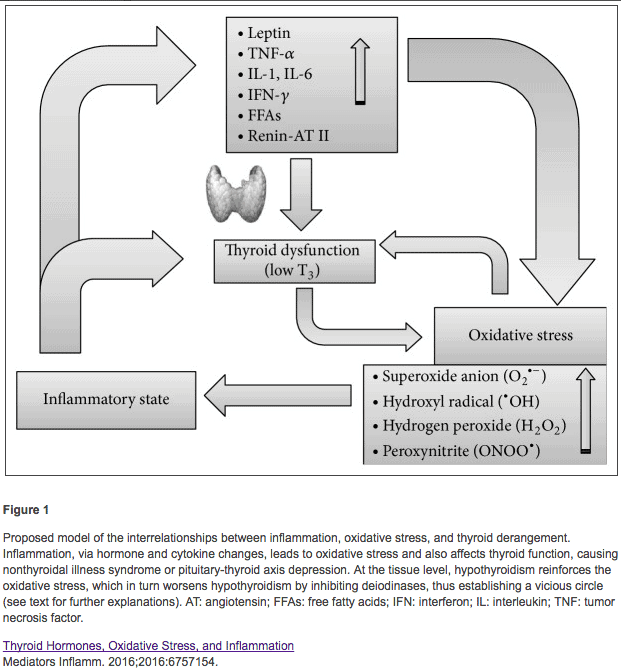
The list goes on…
It’s not as important to focus on what it leads to so much as what causes it.
If you have an idea as to what is causing SIBO in your body you will better be able to treat it.
And treating the root cause of SIBO is VERY important, because if you don’t treat the underlying issue then it is very likely to come back.
At the heart of the problem, most cases of SIBO are caused by slowing down the GI tract.
As the GI tract slows down, the food stays in the GI system longer which allows for more fermentation to occur.
As fermentation occurs your gut bacteria grow and grow, leading to overgrowth.
So what causes the GI tract to slow down?
- Hypothyroidism or Low T3 syndrome
- Insulin resistance, Diabetes mellitus [9], or nerve damage from high blood sugar levels
- Celiac disease [10] or gluten intolerance
- Getting older [11]
- Changes in stomach acid (as seen with proton pump inhibitors or hypothyroidism [12])
- Vagal nerve damage [13] (trauma, etc.)
- Autonomic nerve dysfunction
Basically, anything that may cause nerve issues, slow the GI tract, or lead to gut bacteria changes may predispose you to develop SIBO.
So, how do you know if you really have it?
SIBO Symptoms – What your Body is Trying to Tell You
While one of the best ways to diagnose SIBO is through a breath test which tells you how much hydrogen/glucose/lactulose [14] your bacteria ferment.
Unfortunately not every physician agrees with the diagnosis, so sometimes a Doctor may call and negative result positive and vice versa.
For a number of reasons, I will frequently use clinical signs and symptoms to start treatment and perform the breath test to confirm eradication.
In my opinion testing prior to treatment in EVERY patient isn’t always necessary, especially if your symptoms are spot on.
In more complex cases where the symptoms aren’t as clear cut, then it may be a good idea to START with testing.
Let’s say you don’t have a physician willing to work with you and you are trying to base your treatment on symptoms alone…
What should you be looking for?
- Gas and bloating [15], especially 30-60 minutes after a meal
- Bad constipation resistant to laxatives and herbal remedies
- Abdominal Distention
- Nausea or vomiting – especially after meals or
- Nutrient malabsorption (Chronic vitamin D deficiency, Vitamin B12 deficiency, etc. – especially if resistant to oral supplements)
- Unexplained abdominal pain or symptoms that coincide with irritable bowel syndrome (IBS)
- Gas and bloating after taking certain probiotics
- Constipation that is WORSE after taking certain probiotics
- History of extensive proton pump inhibitors or acid-blocking drugs
If you have any of these symptoms, especially if you have any of the medical conditions listed above – then you may consider jumping to treatment instead of performing the breath test first.
We are going to talk about treatment extensively later in this post – so, for now, sit tight because I want to make a quick point…
The Connection between SIBO and Hypothyroidism
Hypothyroidism is a VERY common cause of SIBO and SIFO and unfortunately, this is another condition frequently missed by conventional doctors.
Because this blog focuses on thyroid disorders and issues I would be remiss not to mention the strong connection between SIBO, SIFO, and hypothyroidism!
This connection is important for several reasons:
1. Many of you might be walking around with undiagnosed hypothyroidism or Hashimoto’s – Thyroid issues are VERY common [16] (the second most commonly diagnosed hormone imbalance)
2. Without treating the CAUSE of SIBO and SIFO it is very likely to come back, which means that in order to get rid of your SIBO you may need thyroid replacement treatment.
For these reasons I recommend that every patient who has SIBO/SIFO ALSO get tested for hypothyroidism if they have any of the following symptoms:
- Chronic fatigue (especially if you are sleeping 8 hours per night)
- Depression, anxiety, or mood disorders
- Changes in the menstrual cycle or other sex hormones
- Cold extremities including hands/feet
- Weight gain or weight loss resistance
- Hair loss, dry skin, acne, or loss of eyebrows
If you have any of these symptoms PLUS the symptoms of SIBO then it’s worth checking a complete thyroid panel to ensure that hypothyroidism isn’t the CAUSE of your SIBO.
The complete thyroid panel includes the TSH, Free T3, Free T4, Reverse T3, Sex hormone-binding globulin, and thyroid antibodies.
If you ALREADY have Hypothyroidism and you have the symptoms of SIBO then it’s worth checking these again to ensure that you are getting the correct treatment.
Most patients with Hypothyroidism may need thyroid medication containing T3 hormone to actually get symptomatic improvement.
Treating hypothyroidism is important because low thyroid can lead to a number of issues that may complicate GI function:
Low stomach acid – Thyroid hormone is involved in the production of Hydrochloric acid, low thyroid hormone = decreased digestion.
Decreased peristalsis – Thyroid hormone helps propel the intestinal tract forward, low thyroid hormone = slow movement of the GI tract.
Malabsorption of nutrients – Thyroid hormone is involved in the absorption of certain nutrients.
Ok – I think you get the point here:
If you have SIBO symptoms and hypothyroid symptoms then make sure you get your thyroid properly (keyword) evaluated.
SIBO and SIFO (AKA Yeast Overgrowth) – You really should be Treating Both
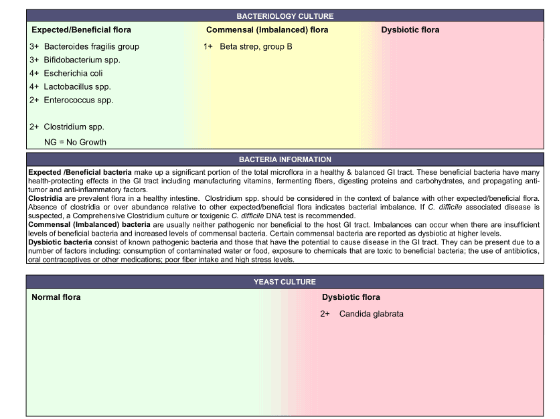
SIFO aka small intestinal yeast overgrowth frequently tags along with SIBO.
In my experience, this occurs more often than not – which means that treatment should be targeted toward BOTH.
Yeast overgrowth syndrome or SIFO was previously only a condition that “alternative” practitioners started to treat, but research shows that as many as 25% of patients with unexplained GI symptoms [17] have too much yeast in their intestines.
So if SIBO is an overgrowth of bad bacteria, SIFO is an overgrowth of yeast and fungus.
Many of the conditions that predispose patients to develop SIBO also cause SIFO.
This study showed that intestinal dysmotility [18] (as seen in hypothyroidism and with PPI use) predisposes patients to develop both SIBO and SIFO.
The problem with yeast overgrowth is that there isn’t a defined “amount” that signifies you have TOO much.
This means for now you are somewhat limited in terms of our ability to diagnose the condition. This is one of the main reasons why conventional doctors tend to ignore the condition.
For this reason, I recommend that patients with SIBO also make sure they treat SIFO and yeast overgrowth.
I will talk about that in the treatment section, but the good news about using herbs and supplements is that most of these supplements not only kill bacteria but they ALSO kill fungus and yeast.
Unfortunately, many of these yeasts can become resistant to the “typical” treatments because so many patients have already undergone “candida” type cleanses.
In reality, many of these patients probably thought they had yeast overgrowth when they really had SIBO and just weren’t completely treating the problem.
In these instances, it can be helpful to use an advanced GI stool test to characterize the type of yeast you have in your intestines and to specifically determine what types of supplements and medications YOUR yeast is sensitive to.
See below:
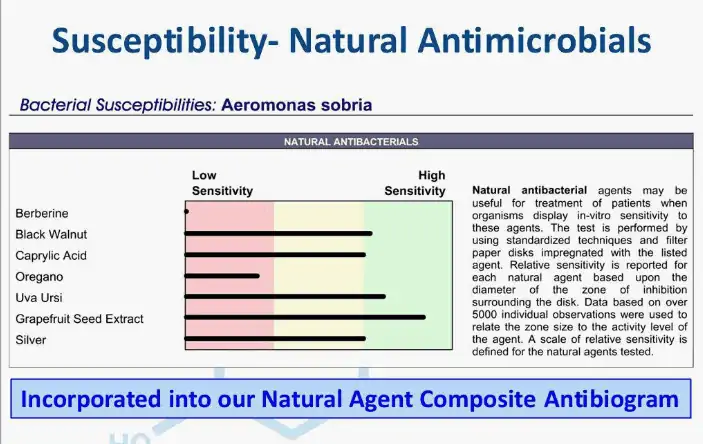
In the case above you can see that this particular bug is resistant to Berberine and Oregano – both of which are commonly used to treat SIBO and SIFO.
In this situation using the following supplements might be more effective: Black walnut, caprylic acid, grapefruit seed extract, and silver.
This should help highlight the importance of sensitivity testing in certain individuals that aren’t improving on “standard” therapy.
It’s also important to point out that this is exactly how Doctors in hospitals target antibiotic therapy for systemic bacterial infections.
They grow the bacteria on culture to figure out exactly what it is sensitive to, and then use those antibiotics for the best results.
SIBO Treatment: How to get rid of it and keep it away
Remember that for the MOST effective treatment you should make sure to not only treat the overgrowth of bacteria but to almost focus on finding and reversing the CAUSE of your SIBO, to begin with.
That means matching up the most likely cause to the treatment:
If your SIBO is due to insulin resistance then you must focus on the treatment options below plus take steps to reduce your blood sugar and insulin levels.
If your SIBO is due to hypothyroidism then you must focus on the treatment below PLUS managing your thyroid.
Etc. Etc.
If you’re curious as to which bacteria or other bugs might be potentially harmful to your GI tract I have included a list below:
- Blasocystits hominis
- Candida albicans and other yeasts
- Citrobacter freundii
- endolimax nana
- entamoeba histolytica
- giardia lamblia
- klebseilla pneumoniae
- proteus mirabilis
- pseudomonas aeruginosa
- helicobacter pylori
- group a streptococci, streptococcus pyogenes
- gamma strep and enterococcus
- staphylococcus aureus
- Aeromonas hydrophila
- dientamoeba fragilis
Because every single person is unique it can be difficult to determine WHICH bacteria is causing the problem in you.
Instead of focusing on which bacteria is causing the issue, focus on reducing the overall bacterial burden and putting the right foods in your body.
By doing this you will allow your body to take over and repopulate your intestinal tract with the beneficial bacteria necessary for optimal health.
Just remember that killing the bacteria is part of the problem once you’ve done that you need to focus on repopulating the GI tract with beneficial bacteria, healing the intestinal lining, taking the right supplements, and eating the right foods:
1. SIBO Diet + Food List & Guidelines
Diet is a critical step in healing SIBO.
Let me explain:
The overgrowth of bacteria in your small intestines like certain types of food and they use these products to grow.
The fermentation of certain foods is what leads to the symptoms.
So the goal of your diet is to AVOID these foods to basically “starve” out the bacteria.
You can “starve” them out by avoiding the food they feed off of or by adding in intermittent fasting (preferably both).
While starving them you will also be taking either herbal antibiotics or prescription antibiotics to further kill off the overgrowth.
Yes, you will be killing good bacteria in the process, but by using prebiotics you can help to only grow back certain beneficial bacteria.
There are multiple diets used to help treat SIBO and each has its advantages and disadvantages.
Ultimately you will find a lot of inconsistencies between the diets, so the main goal here should be to stick to one of the diets and your treatment protocol very closely.
If you aren’t seeing symptomatic improvement then you can switch up the diets.
The diets that tend to work the best for SIBO include:
- Low FODMAP’s Diet
- SCD Diet
- GAPS Diet
I’ve included the dietary recommendations I give to my patients in my clinic which is a combination of the SCD diet, GAPS diet, and low FODMAP diet.
I’ve found this diet to be effective in MANY patients:
*Note that these foods should be organic, grass-fed or free range if possible
Eat These Foods
Protein
(3-5 servings per day)
- Poultry: Chicken, Turkey, Wild game, Lamb
- Seafood: Wild Salmon (Canned, Fresh or Frozen), Small Halibut, Shrimp
- Eggs: Up to 3 Per Day **(Choose, Organic Free Range Eggs)
Fat
(2-3 tablespoons per day minimum)
- Oils (Cold): Olive oil, Flaxseed, Sesame
- Oils (Hot or Cold): Coconut, Grapeseed, Avocado oil, MCT, Fish oil, Hemp oil
- Nuts and Seeds:
- Nuts: Almonds, Pumpkin seeds, Peanuts, Sunflower seeds, Pecans, Macadamia nuts, Pine nuts, Walnuts
- Nut/seed butters: almond, cashew, pecan, macadamia, walnut
Veggies
(4 servings per day minimum)
- Broccoli, Brussels sprouts, Cabbage, Carrots, Cauliflower, Celery, Cucumber, Green beans, Eggplant, Endive, Kale, Kohlrabi, Leeks, Lettuce, Mushrooms, Mustard Greens, Parsley, Peppers (any), Pimento, Pumpkin, Radishes, Rutabagas, Scallion (green part only), Sauerkraut, Spinach, Squash, Tomatoes, Turnips
- **No onions or garlic**
Note: All vegetables should be eaten raw or lightly blanched (cook until color is vibrant). If you have digestive problems always blanch or steam your vegetables before eating.
Fruits
(2-3 servings per day)
- Currants, Guava, Limes, Raspberries, Strawberries, Loganberries, Kiwi, Gooseberries, Melons, Oranges, Tangerines, Rhubarb, Mangoes, Pineapple, Grapes, Lemons, Papayas, Blackberries, Cantaloupe, Prunes, Peaches
Serving size for fruits:
- Berries 1 1/2 cup
- Melons 2 cups
- Plums 2 small
- Others 1 medium size
Dairy
(2-3 servings per day)
- Kerrygold Butter, Ghee, Sour cream, Yogurt (Homemade only)
- **Must be raw or organic**
Other
(Additives)
- Herbs/spices, Mustard (no garlic), Vinegar (no balsamic), pickles, wasabi, tobasco, ginger, Mayonnaise (sweetened only with honey), Honey (only from alfalfa, cotton, clover, raspberry), stevia (pure and in small amounts)
Generally, I recommend that patients continue with the diet for 2-3 months while they are simultaneously undergoing treatment as outlined below.
Once the bacteria and fungal load have been decreased significantly with fasting, dietary changes, and antifungals/antibiotics, the reintroduction of fermentable foods is the necessary next step.
The reintroduction of foods high in prebiotics is required to help grow beneficial bacteria and yeast to repopulate the GI tract with healthy flora.
If the reintroduction of foods leads to negative side effects (gas, bloating, etc.) then further treatment and changes in antibiotics/herbs/etc. may be necessary.
If you fall into this category then you may need to seek further advanced testing to find sensitivities or stay on a prolonged treatment regimen.
2. Probiotics
Probiotics are a necessary part of SIBO treatment.
They act to rebalance the bacterial load and result in local environmental changes in the GI tract which allow for the normalcy of the GI tract.
The antibacterials (herbal or prescription) will kill both good and bad forms of bacteria.
Because of this, it is important to try and replace the lost bacteria.
Consider this study [19] which showed that dietary changes altered levels of bifidobacteria species in the gut (these are not necessarily the guys you want low in your system).
Having said that there are a few things to consider when using probiotics:
- Not all probiotics work for every person
- Some probiotics contain prebiotics (remember prebiotics help bacteria GROW which is not always good)
- Some patients do better when adding probiotics later (after using herbal and prescription antibiotics)
- Some patients do better STARTING with probiotics and using them throughout the treatment
- Generally, soil-based organisms are better tolerated than conventional lactobacilli and bifidobacteria-based probiotics
- Probiotics should be pulsed in high doses on occasion, used sporadically, and switched up every now and then – whenever possible try to avoid routine when using them
- Probiotics are NOT a substitute for fermented foods (more on this later)
In reality, you should be able to tolerate different forms of probiotics through your treatment.
Generally, during the treatment phase, I prefer to use soil-based organisms.
During the repopulation phase (as long as patients can tolerate it) I will also add in lactobacilli and bifidobacteria-based probiotics.
This is also around the time I start using prebiotics to help naturally build up the beneficial bacterial levels.
Further elaboration is below:
Soil-based organisms (heat-resistant probiotics)
Generally, in SIBO, soil-based organisms tend to be better tolerated than other forms of probiotics.
For this reason, I tend to use these probiotics earlier in the course of treatment (even along WITH antibiotic therapy).
Some soil-based organisms do contain prebiotics which certain patients can be very sensitive to.
If you fall into this category you may need to hold off on the addition of antibiotics until your bacterial load has been reduced by dietary changes and antibiotics.
List of soil-based organisms to consider using: Thyro Biotic, Primal defense ultra, probiotic 3 AOR, SBO probiotics by Dr. Axe.
You may notice that these probiotics have tons of great reviews, probably owing to the fact that many patients unknowingly have SIBO.
Lactobacilli and bifidobacteria-based probiotics
Even though some patients may actually get WORSENING symptoms when using these in the early stages of treatment they tend to be tolerated once the bacterial load has decreased significantly.
In my own personal treatment (because I didn’t know any better) I used these with antibiotic therapy and I did just fine – so I know that some people will be able to tolerate it.
Despite this, I generally recommend adding these probiotics later on in the course of treatment and AFTER the use of soil-based organisms.
Beneficial Yeast
I’ve also had success in treating certain patients who have SIBO with beneficial yeast.
In this case, I am specifically referring to Saccharomyces boulardii.
The idea is that this yeast can help out-compete the overgrowth of bad bacteria for the valuable real estate that is your GI tract.
This doesn’t work in all patients, but if you find yourself extremely sensitive to other probiotics then this may be an alternative worth considering.
3. Antibiotics
When I refer to antibiotics in this section I am referring to prescription antibiotics.
It’s worth pointing out that many patients can do WITHOUT prescription antibiotics.
Some studies have shown [20] that herbal remedies can be useful in treating SIBO even in patients who previously failed treatment with Rifaximin.
Having said that, Rifaximin + Neomycin is a very potent combination, and the study quoted above only used 1 antibiotic.
For more information on using antibiotics see the recommendations below:
In my patients, I generally start with herbal therapy + dietary changes + all the recommendations below.
Using this therapy I’ve found success in about 85-90% of patients.
Many patients can’t tolerate herbal remedies for a variety of reasons and for these patients then it’s worth using prescription antibiotics.
And if you are wondering why we are using prescription antibiotics to treat a problem that may have been CAUSED by prescription antibiotics let me explain:
Antibiotics have a spectrum of activity against certain types of bacteria.
The antibiotics we are using are more specific to the overgrowth of bacteria seen in SIBO versus being a very broad-spectrum antibiotic that kills everything.
These antibiotics can still cause problems (I’ve seen Rifaximin trigger c. diff colitis), but if used correctly they can be very beneficial.
It’s also worth pointing out that if you are going to use antibiotics then I generally recommend the concurrent use of prescription antifungals.
The herbal therapies we are going to talk about below have activity against BOTH, but the prescription antibiotics do not.
My recommendations for using antibiotics for SIBO:
- Rifaximin 1,200mg x 14 days if used as monotherapy – The success rate of ~90% [21]
- Rifaximin 1,200mg + Neomycin 1,000mg x 10-14 days (does not necessarily have anti-fungal activity)
- Rifaximin 1,200mg + Neomycin 1,000mg x 10-14 days + Diflucan 100mg x30 days <—- my preferred combination
These therapies and combinations can be used multiple times if symptoms recur.
But if used appropriately with the recommendations below multiple treatment regimens are not often necessary.
4. Herbal Antibiotics and Supplements
These herbal antibiotics and supplements are a *necessary part of treatment for SIBO and my preferred route to take if at all possible.
On this treatment, you should notice an improvement in your symptoms within 2 weeks.
If improvement is not seen within 2-4 weeks then you should re-evaluate your treatment plan to see what the issue is.
One of the benefits of using herbal therapies and antibiotics is that these have both antibacterial AND antifungal action.
This means that you will likely be treating SIFO/yeast overgrowth in addition to SIBO.
Below I am going to list several herbs that have been shown to have antifungal and/or antibacterial action:
Phase 1 (Weeding and Reducing Bacterial Burden)
- Berberine 500mg daily (studies here) [22]
- Oregano oil 600mg daily (studies here) [23]
- Caprylic acid 400mg daily (studies here) [24]
- Undecylenic acid 125-250mg daily (studies here) [25]
- Thyme oil 100-200mg daily (studies here) [26]
- Grapefruit seed extract 100-200mg daily (studies here) [27]
Instead of purchasing these individually, you can get the majority in these 2 products: Candibactin Ar, Candibactin Br, Caprylic acid by NOW, and AC formula II.
The combination of Candibactin Ar/Br by itself is very potent especially when in combination with AC Formula II.
Recommended dosages and treatment length:
- Candibactin ar/br (Max dose as recommended on bottles, titrate up as tolerated) x30 days
- Candibactin ar/br x30 days + AC Formula II or Diflucan x30 days
- Candibactin ar/br x30 days + Prescript assist + AC Formula II x30 days at maximum dosages or until symptoms decrease (you should notice a decrease within 2 weeks)
- For constipation-predominant SIBO or IBS, Atrantil has been very effective in helping patients both reduce gas and bloating and improve bowel movements, so I generally recommend the addition of Atrantil if you fall into that category. You can see studies showing the benefit of Atrantil here [28].
- *note that repeat doses may be necessary for complete eradication
After the bacterial burden has been decreased it’s time to move on to the next phase…
Phase 2 (Rebuilding and Reducing Inflammation)
After 1-2 rounds (or however many rounds are necessary) you can move on to the next required steps of healing the intestines from the damage of the overgrowth.
Supporting the immune system:
- Zinc (studies here) [29]
- Selenium (studies here) [30]
- Vitamin D (studies here) [31]
- IgG from Bovine colostrum (studies here) [32]
This step is helpful in building up the immune system which can become dysregulated when the microbiome is disturbed.
This immune dysfunction is what is implicated in autoimmune diseases [33].
These are the brands that I use in my clinic: zinc, selenium, vitamin D, and bovine IgG.
Nutrients to rebuild intestinal lining:
- Oral glutamine to rebuild intestinal lining (6 grams up to 3x per day) – studies here [34]
Glutamine helps to rebuild the tight junctions between epithelial cells in your intestinal lining.
This is a fancy way of saying it helps prevent and heal “leaky gut”.
This is what I use: L-glutamine powder.
Supplements to promote liver detoxification and bile flow:
These supplements help to boost liver function and help eliminate products of a dysregulated GI tract like LPS [38] (which can promote inflammation).
Supplements I recommend: Curcumin, Milk thistle combo.
Exercise for butyrate production and detoxification:
Exercise can help promote butyrate production and modify intestinal bacteria [39].
So even though you may not necessarily think it’s important for your GI tract you would be wrong!
Make sure you are exercising during your treatment because it can also help promote bowel movements [40] (I told you we were going to be comprehensive!) as well as change your microbiome.
5. Prokinetics & Treating Constipation to Promote Bowel movements
Prokinetics can be helpful in the treatment of SIBO because they help to propel the GI tract forward and to help with bowel movements.
The word prokinetic means pro movement and in that case, it is referring to the movement in the GI tract.
This is especially important because methane gas (which is produced from bacterial overgrowth) slows down [41] and almost paralyzes the GI tract.
For thyroid patients this is compounded. Hypothyroidism already slows peristalsis on its own by reducing the thyroid hormone that drives intestinal movement. When you add methane gas production from SIBO on top of that, the gut can slow to a crawl. If you have both conditions, getting your thyroid medication optimized is just as important as the prokinetics.
Prokinetics are also very important to promote bowel movements because every time you have a bowel movement you are dumping out excess bacterial load in the form of stool.
That means treating your constipation is extremely important when treating SIBO.
In fact, I joke around that I have a strict “no constipation practice” and I mean it.
Constipation needs to be treated at all costs, and to me, that means having 1 large bowel movement EACH and EVERY day.
Anything less frequent than that is unacceptable.
So what prokinetics should you consider using?
I generally recommend using Triphala which is an ayurvedic herb.
Triphala helps promote GI motility [42] while also helping to balance intestinal flora which makes it a potent addition to your SIBO protocol.
In early phases of treatment and in cases of severe constipation it’s best to use Triphala in combination with magnesium citrate like this.
In later phases of treatment, I prefer to use this supplement which contains other nutrients to help heal the gut lining.
It’s also worth pointing out that there are prescription prokinetics that you can also use though I don’t frequently recommend them unless in extreme situations.
These include Erythromycin, Reglan, or Propulsid.
In addition to managing your bowel movements with prokinetics there are also several other things you should consider using if you are not having 1 large bowel movement per day:
- Magnesium Citrate (200-2,000mg per day) – Take at night until you have 1 large bowel movement in the morning
- Ascorbic acid or Sodium Ascorbate (up to 5 grams per day) + Magnesium citrate (up to 2,000mg per day) – Take in the morning until one large bowel movement
Bowel movements help to decrease bacterial load and just help patients feel better in general!
6. Fermented foods
I personally attribute a huge portion of my gut healing and SIBO treatment to Kefir which is a fermented dairy product.
Fermented foods in general offer AMAZING health benefits.
In fact, 1 cup of Kefir contains multiple strains of beneficial probiotics and beneficial yeasts [43] in an amount that blows away most over-the-counter probiotics.
In a sense, these fermented foods are really the probiotics that nature intended us to have.
To give you an idea of the power that these guys contain, let me share some benefits:
- Kefir grains have antimicrobial activity (meaning they act as antibiotics in your GI tract)
- They have anti-inflammatory effects
- Kefir promotes a healthy distribution of microbiota in your GI tract
- It stimulates and boosts the immune system
- And it can also help lower cholesterol (studies and benefits here) [44]
On my personal journey, it wasn’t until I started to add Kefir to my diet on a daily basis that I truly noticed a change in my digestion.
I had fixed the majority of my GI-related symptoms through the interventions noted above, but still had some side effects that were made right through the daily use of Kefir.
I can make a post detailing exactly how to use Kefir, how to grow your grains, etc. but for now, if you are interested I recommend purchasing your grains and using it on a daily basis – these are the grains that I used.
It’s also worth pointing out that even if you can’t tolerate dairy products you still might be able to tolerate kefir (and don’t worry I will list more fermented food products below).
The fermentation process helps eliminate lactose in the milk which makes it much more gentle and digestible for most people.
If you can’t tolerate Kefir or fermented milk products then you can consider using any of the following:
- Kombucha
- Sauerkraut
- Natto
- Kimchi
- Tempeh
The majority of the benefits come from the fermentation process which allows the production of a variety of beneficial yeasts and probiotics that are then consumed with the food.
Because science is limited in how many probiotics we can create in a lab and store in supplements, I recommend adding fermented food (which contains probiotics you can’t get anywhere else) in some form during your treatment.
Please note that you may have to add fermented food LATER in your treatment (the earlier you can tolerate it the better, though) because sometimes the fermented foods can cause worsening symptoms.
Fermented food can be very fermentable by your bacterial overgrowth and they may have a field day with it.
7. Prebiotics
Most people tend to focus on the PRObiotics and ignore the PREbiotics.
Prebiotics help certain bacteria GROW in the GI tract.
That may sound funny when we are talking about an OVERGROWTH of bacteria, so why would we want to grow more bacteria?
The truth is that SIBO is an overgrowth of bacteria you don’t necessarily want a lot of – not that it’s pathogenic necessarily, but it’s also not beneficial.
Fortunately, we have a couple of ways to help CERTAIN and BENEFICIAL bacteria grow by giving them certain foods that only they like.
So, by selectively giving these bacteria only food they can eat, we can help them grow and outcompete the bad guys.
Make sense?
This makes prebiotics a necessary step to treatment in SIBO, but one that should generally be taken AFTER the weeding and killing phase is completed.
In general, I recommend adding prebiotics as early as you can tolerate them, but if you aren’t sure when to add them then it’s generally acceptable to add them after you’re done using antibiotics (either herbal or prescription).
So what kinds of bacteria are we talking about and which ones do you want to selectively grow?
Below I’ve included a list of beneficial “ancestral” bacteria that have all shown to have beneficial effects on humans, and next to them I’ve given you examples of certain foods that they predominately feed off of.
That means if you want to grow a certain type of bacteria in your GI tract you simply feed it the type of food it likes to eat:
- Actinobacteria [45] – To boost these species consider using the prebiotic fructans
- Clostridia cluster IV [46]
- F. Prausnitzii [47] – Feed this guy Pectin (not starch)
- Rhuminococcus [48] – Feed this guy starch
- Roseburia [49] – These guys like to eat oligosaccharides
- Eubacteria rectale [50] – He likes to eat Inulin
- Bacteroides vulgatus [51] – He also likes inulin (and fat)
- Alistipes putredirius [52] – This guy likes lignans
Don’t let this information freak you out.
I’m just providing the information to show you that these guys are important to your GI health and your overall health.
The important point is that you can feed these guys to help them grow.
Generally, I recommend starting out with at least 1 different prebiotic and increasing up to 3 at once if tolerated.
To get started I generally recommend easing your way into 1 or more of the following prebiotics: Inulin, Inulin + Acacia, Pectin, and/or Resistant Starch.
Remember when starting out – go slow with the prebiotics!
If they make your symptoms worse, then back down to an amount that is tolerable and continue a slow titration.
8. Intermittent Fasting
As I mentioned previously there are a few ways to kill bacteria.
1) To selectively starve them out by eating food that only you can digest and food that they CAN’T digest.
2) Completely avoid food to starve them out <—- AKA intermittent or prolonged fasting
I frequently recommend adding intermittent fasting as a therapy to the treatment of SIBO (and multiple other disease processes).
Intermittent fasting will help decrease your bacterial load [53] but it will also help with several other areas:
- Reducing inflammation [54]
- Helping your body burn fat [55]
- Increase immune system in the GI tract [56]
- Help balance other hormones in the body [57]
If you haven’t tried intermittent fasting as part of your therapy then going without food for 14-16 hours 2-3x per week can have a big impact on decreasing your bacterial load and helping to reduce the symptoms of SIBO.
Wrapping it up
Remember that SIBO is a serious condition that is often missed by many physicians or misdiagnosed as irritable bowel syndrome.
This is a serious problem because it promotes systemic inflammation, and intestinal dysfunction and can predispose you to develop autoimmune diseases and other health issues.
Because of this serious attention should be given to SIBO if you suspect you might have it.
If you have the clinical signs and symptoms of SIBO it is worth looking into treatment prior to testing, but testing for eradication later.
If your symptoms are not classical then testing may be warranted.
Treatment and complete eradication of SIBO can be very difficult, but if the proper treatment is set in place then long-term eradication is very possible.
That means using a combination of the following therapies:
- Dietary intervention
- Probiotics
- Prescription and/or Herbal Antibiotics
- Targeted nutritional supplementation
- The use of fermented food products
- Proper use of prebiotics to rebuild the GI flora
- Intermittent fasting to help reduce inflammation and decrease bacterial load
It’s also important to remember that unless you treat the underlying cause of your SIBO it is VERY likely to come back despite the intervention above.
If you have hypothyroidism, treating the thyroid is not optional. It is step zero. Without it, SIBO will very likely return no matter how well you follow the 8 steps above.
Now it’s your turn:
Are you currently suffering from SIBO? What has worked for you? What hasn’t?
Leave your comments below to help others on their healing journey and I will personally respond.
Scientific References
1. Ghoshal, U., et al. (2014). Irritable bowel syndrome and small intestinal bacterial overgrowth: Meaningful association or unnecessary hype. Journal of Neurogastroenterology and Motility.
2. Patil, A. D. (2014). Link between hypothyroidism and small intestinal bacterial overgrowth. Indian Journal of Endocrinology and Metabolism.
3. Hays, M. T. (1988). Thyroid hormone and the gut. Endocrine Research. doi:10.3109/07435808809032986.
4. Dukowicz, A. C., et al. (2007). Small Intestinal Bacterial Overgrowth: A Comprehensive Review. Gastroenterology & Hepatology.
5. Ghoshal, U. C., et al. (2011). Slow Transit Constipation Associated With Excess Methane Production and Its Improvement Following Rifaximin Therapy: A Case Report. Journal of Neurogastroenterology and Motility.
6. Bures, J., et al. (2010). Small intestinal bacterial overgrowth syndrome. World Journal of Gastroenterology. doi:10.3748/wjg.v16.i24.2978.
7. Ghoshal, U., et al. (2014). Irritable bowel syndrome and small intestinal bacterial overgrowth: Meaningful association or unnecessary hype. Journal of Neurogastroenterology and Motility.
8. Spiegel, B. M., et al. (2008). Bacterial Overgrowth and Irritable Bowel Syndrome: Unifying Hypothesis or a Spurious Consequence of Proton Pump Inhibitors. American Journal of Gastroenterology.
9. Dukowicz, A. C., et al. (2007). Small Intestinal Bacterial Overgrowth: A Comprehensive Review. Gastroenterology & Hepatology.
10. Tursi, A., et al. (2003). High prevalence of small intestinal bacterial overgrowth in celiac patients with persistence of gastrointestinal symptoms after gluten withdrawal. American Journal of Gastroenterology.
11. Bures, J., et al. (2010). Small intestinal bacterial overgrowth syndrome. World Journal of Gastroenterology. doi:10.3748/wjg.v16.i24.2978.
12. Yaylali, O., et al. (2009). Does hypothyroidism affect gastrointestinal motility. Gastroenterology Research and Practice.
13. Carabotti, M., et al. (2015). The gut-brain axis: interactions between enteric microbiota, central and enteric nervous systems. Annals of Gastroenterology.
14. Simren, M., et al. (2006). Use and abuse of hydrogen breath tests. Gut.
15. Bures, J., et al. (2010). Small intestinal bacterial overgrowth syndrome. World Journal of Gastroenterology. doi:10.3748/wjg.v16.i24.2978.
16. Cleveland Clinic (2016). Hypothyroidism and Hyperthyroidism. Cleveland Clinic Center for Continuing Medical Education.
17. Erdogan, A., et al. (2015). Small intestinal fungal overgrowth. Current Gastroenterology Reports.
18. Jacobs, C., et al. (2013). Dysmotility and proton pump inhibitor use are independent risk factors for small intestinal bacterial and/or fungal overgrowth. Alimentary Pharmacology & Therapeutics.
19. Staudacher, H. M., et al. (2012). Fermentable carbohydrate restriction reduces luminal bifidobacteria and gastrointestinal symptoms in patients with irritable bowel syndrome. Journal of Nutrition.
20. Chedid, V., et al. (2014). Herbal Therapy Is Equivalent to Rifaximin for the Treatment of Small Intestinal Bacterial Overgrowth. Global Advances in Health and Medicine.
21. Lombardo, L., et al. (2010). Increased Incidence of Small Intestinal Bacterial Overgrowth During Proton Pump Inhibitor Therapy. Clinical Gastroenterology and Hepatology.
22. Yu, H. H., et al. (2005). Antimicrobial activity of berberine alone and in combination with ampicillin or oxacillin against methicillin-resistant Staphylococcus aureus. Journal of Medicinal Food. doi:10.1089/jmf.2005.8.454.
23. Sienkiewicz, M., et al. (2012). The antibacterial activity of oregano essential oil against clinical strains of Escherichia coli and Pseudomonas aeruginosa. Medical and Experimental Microbiology.
24. Nair, M. K., et al. (2005). Antibacterial effect of caprylic acid and monocaprylin on major bacterial mastitis pathogens. Journal of Dairy Science. doi:10.3168/jds.S0022-0302(05)73033-2.
25. Prince, H. N. (1959). Effect of pH on the antifungal activity of undecylenic acid and its calcium salt. Journal of Bacteriology.
26. Sienkiewicz, M., et al. (2011). Antibacterial activity of thyme and lavender essential oils. Medicinal Chemistry. doi:10.2174/157340611797928488.
27. Reagor, L., et al. (2002). The effectiveness of processed grapefruit-seed extract as an antibacterial agent: I. An in vitro agar assay. Journal of Alternative and Complementary Medicine.
28. Valcheva, R., et al. (2016). Prebiotics: Definition and protective mechanisms. Best Practice & Research: Clinical Gastroenterology.
29. Shankar, A. H., et al. (1998). Zinc and immune function: the biological basis of altered resistance to infection. American Journal of Clinical Nutrition. doi:10.1093/ajcn/68.2.447S.
30. Hoffmann, P. R., et al. (2008). The influence of selenium on immune responses. Molecular Nutrition & Food Research.
31. Cantorna, M. T. (2011). Vitamin D and the Immune System. Journal of Investigative Medicine.
32. Hurley, W. L., et al. (2011). Perspectives on Immunoglobulins in Colostrum and Milk. Nutrients. doi:10.3390/nu3040442.
33. Campbell, A. W. (2014). Autoimmunity and the Gut. Autoimmune Disease.
34. Rao, R. K., et al. (2012). Role of Glutamine in protection of intestinal epithelial tight junctions. Journal of Epithelial Biology and Pharmacology.
35. Goud, V. K., et al. (1993). Effect of turmeric on xenobiotic metabolising enzymes. Food and Chemical Toxicology.
36. Bode, A. M., et al. (2011). The Amazing and Mighty Ginger. Herbal Medicine: Biomolecular and Clinical Aspects.
37. Loguercio, C., et al. (2011). Silybin and the liver: From basic research to clinical practice. World Journal of Gastroenterology.
38. Porter, K. J., et al. (2010). Regulation of lipopolysaccharide-induced inflammatory response and endotoxemia by beta-arrestins. Journal of Cellular Physiology.
39. Evans, C. C., et al. (2014). Exercise Prevents Weight Gain and Alters the Gut Microbiota in a Mouse Model of High Fat Diet-Induced Obesity. PLOS ONE. doi:10.1371/journal.pone.0092193.
40. Beradze, G. (2011). Influence of an exercise therapy on primary chronic constipation. Georgian Medical News.
41. Ghoshal, U. C., et al. (2011). Slow Transit Constipation Associated With Excess Methane Production and Its Improvement Following Rifaximin Therapy: A Case Report. Journal of Neurogastroenterology and Motility.
42. Lauritano, E. C., et al. (2009). Small intestinal bacterial overgrowth recurrence after antibiotic therapy. American Journal of Gastroenterology.
43. Leite, A. M., et al. (2013). Microbiological, technological and therapeutic properties of kefir: a natural probiotic beverage. Brazilian Journal of Microbiology.
44. Leite, A. M., et al. (2013). Microbiological, technological and therapeutic properties of kefir: a natural probiotic beverage. Brazilian Journal of Microbiology.
45. Gerritsen, J., et al. (2011). Intestinal microbiota in human health and disease: the impact of probiotics. Genes & Nutrition.
46. Lopetuso, L. R., et al. (2013). Commensal Clostridia: leading players in the maintenance of gut homeostasis. Gut Pathology.
47. Deen, N. S., et al. (2014). Association between Faecalibacterium prausnitzii Reduction and Inflammatory Bowel Disease: A Meta-Analysis and Systematic Review of the Literature. Journal of Crohn’s and Colitis.
48. Ze, X., et al. (2012). Ruminococcus bromii is a keystone species for the degradation of resistant starch in the human colon. ISME Journal.
49. Duncan, S. H., et al. (2002). Roseburia intestinalis sp. nov., a novel saccharolytic, butyrate-producing bacterium from human faeces. International Journal of Systematic and Evolutionary Microbiology.
50. Zhang, Y. J., et al. (2015). Impacts of Gut Bacteria on Human Health and Diseases. International Journal of Molecular Sciences.
51. Waidmann, M., et al. (2003). Bacteroides vulgatus protects against Escherichia coli-induced colitis in gnotobiotic interleukin-2-deficient mice. Gastroenterology. doi:10.1016/s0016-5085(03)00672-3.
52. Hakansson, A., et al. (2011). Gut Microbiota and Inflammation. Nutrients.
53. Michalsen, A., et al. (2005). Mediterranean diet or extended fasting’s influence on changing the intestinal microflora, immunoglobulin A secretion and clinical outcome in patients with rheumatoid arthritis and fibromyalgia. BMC Complementary and Alternative Medicine.
54. Longo, V. D., et al. (2014). Fasting: molecular mechanisms and clinical applications. Cell Metabolism.
55. Gotthardt, J. D., et al. (2016). Intermittent Fasting Promotes Fat Loss With Lean Mass Retention, Increased Hypothalamic Norepinephrine Content, and Increased Neuropeptide Y Gene Expression in Diet-Induced Obese Male Mice. Endocrinology.
56. Michalsen, A., et al. (2005). Mediterranean diet or extended fasting’s influence on changing the intestinal microflora, immunoglobulin A secretion and clinical outcome in patients with rheumatoid arthritis and fibromyalgia. BMC Complementary and Alternative Medicine.
57. Ho, K. Y., et al. (1988). Fasting enhances growth hormone secretion and amplifies the complex rhythms of growth hormone secretion in man. Journal of Clinical Investigation. doi:10.1172/JCI113450.

Thank you for your article it’s the best I have seen out there! I have sibo methane with constipation. Been struggling 4 years with it post antibiotic use or food poisoning not sure which. Would you treat someone for thyroid with normal results except for low T3? Also, do you use prebiotics during herbal treatment so the bugs are being feed and active while trying to eradicate them? Currently, prebiotics make me feel a lot better overall but I know they are worsening sibo.
Hey Claire,
Yes to the low T3 if you were symptomatic and yes (sometimes) to the prebiotics during herbal antibiotic phase pending symptoms of the patient.
hi, i wish you can still read this. i have digestive problems and through endoscopy the dr told me i have hyperacidity. but my thyroid panel shows i have normal results except for slighty low t3. are you ok now?
Low T3 was the only thing off about my thyroid panel, but since my doctor also ordered a test for TPO antibodies and they came back higher than normal, we found my Hashimoto’s and began treating it with NP thyroid. I already feel a lot better.
I am now treating my methane dominant SIBO and hoping it won’t come back. Fingers crossed. Good luck to you!
Great info on sibo .there’s one query that should one do intermittent fasting to starve the bacteria while on prescription antibiotics because I read somewhere that antibiotics like rifampicin work more effectively on bacteria when they don’t starve and feeded properly ,because in phase of starving they don’t proliferate by making walls and these antibiotics works on bacteria cell wall ..
Please give your opinion .
There is definitely truth to your statement. In general you want to achieve a state where bacteria can grow (supplying enough substrate via food products or prebiotics) but not a hostile environment to cause the bacteria to wall off or become dormant. Striking this balance can be difficult in each person, but can be reached through trial and error.
Very good article on SIBO..You mention about using antibiotics.to help with the healing process . I’am allergic to so many antibiotics .. So what would you do ic a case like that??
Great article Dr. Childs! Which laboratory company runs this advanced GI stool test you mentioned to characterize the type of yeast you have in your intestines in order to determine what types of supplements and medications your yeast is sensitive to?
I just emailed you by the way with inquiries about your services and histamine intolerance condition. Thanks so much!
Hey Jenny,
The one I referenced in the article is the comprehensive stool analysis and parasitology x3, you can find more info here: https://www.doctorsdata.com/comprehensive-stool-analysis-w-parasitology-x3/
I will post some patient examples of the what it looks like if I haven’t already.
Thanks so much Dr. Childs! I know there are so many lab companies who all run the stool tests but just like to confirm with you about it. What do you think of Genova’s GI Profile Test?
Great post! Just curious, would you recommend taking sauerkraut juice with meals when starting sibo treatment? I’m doing a strict SCD/Fodmap hybrid diet as I have constant bleching and bloating, but have read that Gaps dieters start off with natural probiotics right away. Beneficial bacteria seem to be key for long term recovery.. But I don’t want to exacerbate the issue! Is there actually any danger in consuming lacto species too eary? Or is it simply avoided by some until later on for comfort reasons?
Thanks!
Hey Hannah,
It really just depends on the person, I wouldn’t say there is a right or wrong way to do it.
My 15 yo daughter was diagnosed with SIBO/constipation last summer after a breath test. High methane. She did the candibactin combo for a couple of months. The constipation has resolved but she still has bloating and some acne issues on her cheeks, which she hasn’t had before. Is this a sign that the toxins are still present and may need to be cleared with milk thistle, ginger and turmeric? She has been following low fodmap too, but still has some bloating. It is challenging for a teen but she wants to resolve this. I also want to do everything we can to avoid autoimmune conditions, naturally. Thank you for such a thorough and informative article.
Hey Amanda,
Make sure you look into other gut issues or other problems that may potentiate SIBO including conditions that alter motility.
This is a very comprehensive article. Thank you very much. Have done the Rifaximin route 3x, Herbal Antibiotics, Low FODMAPS. Unfortunately, like many other sufferers, have other medical problems, possibly brought on by years of antibiotic treatment for acne (12 years of Tetracycline) steroids for asthma and joint issues in knees and shoulders, whiplash, pre-diabetes, etc. This is an everyday battle. Recently found out that flying (yes, not on wings, but in a jet) also caused me to effectively lose 48 hours of my vacation due to gastro-issues. That was while on vacation, and then another 48 hours upon my return home. And I had been extremely careful of what I had eaten for an entire week prior to the trip. Air pressure in cabin???
Must, must take issue with the juicing recipe. Apples? For SIBO? Apples should never be in a recipe that deals with any gastro issues as they are definitively in the ‘do not eat’ FODMAPS diet protocol. That is not to say EVERYONE reacts to apples, but they do contain high doses of fructose, as well as polyol. Those are two of my worse groups. Please revise that recipe, otherwise, as well meaning as it may seem, the juicing recipe will cause some to react with severe stomach cramps, and diarrhea. An apple a day will, for many, be a call to the doctor. No pun intended, but maybe Eve really shouldn’t have eaten that apple! Good luck to all. Linda from Pittsburgh.
Hey Linda,
I hope you found it helpful. In regards to diet and tolerance of certain foods – you want to make sure you are always providing some prebiotics to your meals otherwise you run of the risk of damaging your flora. Sustaining a low fodmaps diet indefinitely is generally not a good idea.
How much Atrantil do you take a day when doing the herbs?
Hey Katie,
It depends but generally as recommended on the bottle (up to the maximum as tolerated).
The Atrantil website says not to take a probiotic the first 20 days when taking it. Im taking a probiotic in the evening away from the herbs. Is this something I would have to stop the probiotic? Will Atrantil also cause die off symptoms.
It really depends on the person and the severity of the overgrowth, each person is a little bit different in terms of treatment.
Some people say that it’s best to NOT be on a SIBO diet during the kill phase because starving them makes them harder to kill. https://chriskresser.com/why-diet-alone-is-not-enough-to-treat-sibo/ What would you recommend here
Hey J,
The idea is to reduce substrate for the bacteria enough to decrease exponential growth and yet provide enough to prevent bacterial mechanisms that increase resistance to antibiotics etc. Some bacteria form walls/spores/layers of protection in hostile environments and this is where that idea stems from. You will find different opinions because each provider treats slightly different, at the end of the day it really depends on you and your body. I didn’t check out the article but I’m pretty sure that we agree on most points.
Please I am literally begging you to clarify this issue of whether to get the bacteria to come out of hiding with prebiotics an hour or so before ingesting the killing agent of choice. I am very ill with SIBO, gut dysbiosis, extreme copper:zinc imbalance that initially was copper 112 and zinc 79 (November 2015.) Copper now 125 and zinc 54 (low), all serum tests. Insulin resistance for ten years but last two A1C results have been 53 and 5.4 so perhaps I have reversed that Fibromyalgia diagnosed way before it was named (myofascitis, 1970’s.) SIBO baseline methane 19 up to 23 at 80 minutes; hydrogen baseline 7 up to 28 at 130 minutes. So I’m only SIBO positive based on elevated combination and high methane baseline. I did full round of antimicrobial for dysbiosis and SIBO. Retested CSAP doctor’s data and dysbiosis looked worse to me. SigA went from 356 to 757 and other markers were indicative of more intestinal permeability after the treatment. Restest showed Citrobacter freundii 4+ and Citrobacter freundii type 2 3+ and endobacter cloacae 3+ replaced initial klebsiella pneumoniae. I just KNEW the SIBO was still present so didn’t retest. From reading your article I surmised I should hold off on the zinc supplementation until the Xifaxan course has been completed? You also mention using antimicrobials concurrent with the antibiotics. Are there ANY probiotics you recommend taking with the antibiotics? This is a great article packed full of great information, if you would read the link to Kresser’s article and weigh in I cannot tell you how many people would benefit from it. Your assumption that you and Kresser probably agree on most everything is incorrect, that is what prompted the first comment citing the link.
I finally got rx synthoid 75 mg a week ago.
HELP on any questions much appreciated.
This is a really nice summary article–thanks for putting it together. I think there are many practitioners and patients treating SIBO at the moment who forget about the SIFO issues and I wonder how many of us SIBO sufferers are actually doing more harm than good to ourselves as we try desperately to treat the SIBO and then end up with a pronounced SIFO and no real symptom relief. As someone who travels to low-resource settings all the time for work, I have had numerous bouts of parasites and food poisoning and have never really recovered from my initial problem, which started more than 25 years ago now. Is there hope for those of us who are chronic sufferers because it took so long to be diagnosed? Anything different you would suggest than what you recommend here?
Hey D’Arcy,
It’s hard to say if you will be able to get 100% resolution in all of your symptoms, but it’s very unusual to not get a significant improvement (even in patients who haven’t been diagnosed/treated for many years). In many cases time needs to be spent on the underlying cause, which usually has to do with the autonomic nervous system and its effect on the kinetic movement of the bowels.
Hello Dr. Childs, I have Methane Sibo. Have given up on antibiotics (3 or 4 rounds last year) and have found that a digestive enzyme (can you recommend??) plus herbal bionics help me keep regular and additionally I can NOT snack or eat large meals. I am completely off high residue foods. I stick to the low fodmap.There is nothing worse than a distended bloated stomach and constipation that is prolonged. I hate it. I have just run out of my DIGESTIN (progressive labs), Wild Oregano capsules, allicin, and have a little Neem Plus (I like this) left. I just ordered the Atrantil. I wish wish I could be normal again. I know motility is an issue so I have erythromycin ( I do the recommended low dose nightly). I also try to space meals. I am keeping my SIBO manageable. but Dear God, I wish I could be done with it. Thanks for any thoughts. OH, I have had this going on a year and a half. I have always had pancreatic digestive issues (always always gassy my WHOLE LIFE) but the Digestin has REALLY helped that ALOT. But only recently it seems to not be helping as much since October I had what seems SIBO set back. I ate TACOS homemade and too much and so then it FLARED. uGH> and since, the digestins don’t seem to be working as well.
Hey Jean,
It would be worth looking for the source of your poor motility. If you don’t find and treat this problem then you are leaving a condition in which SIBO will almost always resurface (despite treatment).
just to add: I am 51 years of age, menopausal or perimenopausal
Dear Dr. Childs,
Thank you for the article. I’m trying to follow the steps to heal my suspected SIBO case. My bloating would become very promenant about 2 hours after meal and would last for about another 2 hours. At times, it became so bad I had no appetite and I just couldn’t eat. I’ve lost about 10% of my weight within months and I’m quite under weight now. My white blood count is also quite low. It concerns me and my family.
One thing is that I don’t have constipation nor diarrhea. Is that a necessary symptom to indicate SIBO?
I’ve purchased the Candibactin AR/BR combo and started taking them two days ago. How should I feel if it is working for me? What should I do to gain some weight back? The major difference between FODMAP and scd diet is the inclusion of rice and oatmeal, which are my staple food. Should I be stopping these foods?
Thank you.
Hey Mike,
You will know if the supplements are working because you should have some reduction in your symptoms (the reduction of your symptoms varies from person to person and some may need weeks to see these benefits).
Hi Dr Westin, im treating SIBO/SIFO non diagnosed yet, with Atrantil(6 cps a day) and Allicin (1800 mg a day) since almost two month and no results. I’ve got always gas, bloating and burping more than ever. I can’t eat fiber that i have soon costipation, so i got to cook my green salads…i can’t eat raw. Im writing you from Italy, sorry for my english. I made a test of stool and it came out i ve got a little bit of klesbiella into that. My doctor sospect i’ve got candida too. Im using interfase plus to break up biofilm. You don’t even talk about BIOFILM. The problem seems to be also that i cannot break up my biofilm into tongue, so i think atrantil and allicin don’t work for that reason. In my stool test, came out a bad disbiotic case, most of all battericals that ferment food. That’s why i’ve got alway reflux and gas. Do you have some advice?
Congrats for your article.
Great article, thank you for all this information!
I was diagnosed with leaky gut last summer and a diet change along with targeted supplementation has transformed my life. However, I knew I was not quite there yet and additional testing showed I have hydrogen dominant SIBO. I am getting ready to start treatment with CandiBactin AR/BR. I have temporarily stopped taking any probiotics or prebiotic. My question is this… Do I continue my regular supplements ( multivitamins with essential oils, omegas, buffered C, iron, methyl B, vitamin D, alpha lipoic acid, Turmeric with black pepper, magnesium ) or do I just work on illuminating the bacteria first? I tested extremely low in many vitamins when first diagnosed with leaky gut. The magnesium has helped greatly with sleeping/anxiety issues. Not sure of the best route to take …
I also have ortho biotic probiotics and I am questioning whether I should take that during treatment?
Thank you greatly for your time !!!
Hey Kathy,
The best thing you can do is find someone who understands SIBO to help guide you. There really isn’t a magical formula to follow because each case is unique. Occasionally I have patients continue probiotics through antibiotic treatment, etc. it just depends.
I am actually working with a functional medicine practitioner. But her opinion is that this area of study is still very new. She does not have a strong opinion on whether or not I should continue my supplements or probiotics. I was hoping to get an opinion from someone who felt more confident and answering that question .
I notice you said that while taking herbal antibiotics, you should notice an improvement in 2-4 weeks. I’m 3 weeks in, (took garlic for 2 weeks and berberine for 1 week) and I’m having the worst reaction. Significantly worse than my original symptoms. Im also eating kefir. Is this normal or should I stop the herbs?
Do not eat any garlic or onion. That will make you flare up!!!
Hi Dr. Childs, wow what a great article! I wish I could find a doctor or naturopath in my area to help guide me through all this treatment. I believe I have SIBO. I am an elite athlete and got sick 7 years ago now. If first started with extreme fatigue and then led to an huge break out with stomach problems, mainly just fatigue, loose stool and a ton of bloating that never let up no matter what I tried to eat or not eat. I had to quit my sport and went to doctors for months until they found d.fragilis in my stool. I was treated with Flagyl and felt like a million dollars afterwards but only for 6 months despite eating incredibly well, gluten free and dairy free and doing some natural herbal protocols after the antibiotics. Since stomach bloating has been going on for 6 more years now, once I was retested and had D. fraglis in 2013 to be treated by different antibiotics but it didn’t really seem to work (it was doxy and idoquinol). Now through herbal and diet I seem to get my issues moderately better but never completely with the bloating, to race and train again for a few months to go again through the phases of getting super tired and it being followed by extreme flare up of inflammation and bloating in my stomach every single year, which lasts for months. I am in a flare right now. The one thing that I have never treated but think in my case it could be a possibility is thyroid. I present with all of the symptoms of hypothyroidism but my doctor doesn’t think it is the issue. My TSH since I was sick in 2010 has gone from high 3’s to high 4’s and some times when my stomach is better can drop back down to low 3’s but never under. The FT3 is either low/normal range or under the normal range, that is consistent and my FT4 is low but in the normal range. Another note that is unexplained is I have a low WBC almost all the time and neutrophils are below normal since all these issues started. Any doctors just say it is mild but don’t put two and two together. Obviously all these gut and fatigue problems have a tremendous effect on both my regular and athletic life, I have mild osteoporosis at age 38 and low ferratin levels but with so much gut inflammation I never really think that taking extra supplements at this time is worth much to fix this. Would love to hear your thoughts and feedback, my next step will have to be treating this in a different way with both the cause and problem as well as trying new herbal or antibiotic protocols. Thanks for your time in advance.
Hey Nat,
When it comes to SIBO there’s way too much variability to give a “basic guide” because it will vary from person to person. There isn’t much I can do in terms of guidance on an open forum such as this. The single best thing you can do is seek out local help and guidance.
Perhaps it’s sifo not so much sibo. Undecylenic acid is strong stuff, it may help.
Hi Dr. Childs,
Lots of sound info here.
I’m wondering if I’m understanding this correctly. If Xifaxan acts across the small intestine, then without proper dietary restriction couldn’t it actually cause SIFO? I have read several accounts of gas and bloating worsening in patients on Xifaxan and am wondering if a patient I am working with currently is having Xifaxan treatment cause/worsen SIFO?
thanks,
Hi Dr. Childs,
Thanks for all the great info! My husband was been diagnosed with methane SIBO abut a year ago. We have been following a strict low-FODMAPs diet since. We are going to be starting him on the elemental diet shortly, but due to SIBO, he is already thin as it is. I saw information on modified elemental diets where pure meats can be used (i.e. chicken, white fish). I can’t seem to find information on whether or not eating unseasoned meats during the elemental diet changes the success rate. Any ideas on that? Any feedback is greatly appreciated! Thank you!
Thank you for this great information. I’m still confused on the timing of probiotics. I’m starting xifaxin (3rd round since October). Should I take the soil based probiotic during the treatment or start it after?
This is the best advice I’ve ever received. I had exploratory abdominal surgery nearly 9 years ago after an accident. After the surgery I started having a host of health problems. The worst was horrible brain fog, fatigue and lack of mental clarity after eating certain foods. 9 yeas later I’m finally figuring this out. After an organic acids urine test it showed I had an overgrowth of bacteria, and my stool test showed I has no growth of bifobacterium, I have a very unhealthy gut! I’m going to follow your plan and hope for the best!
Do histamine intolerance usually resolve as soon as SIBO is killed?
Hey Ashleey,
Sometimes, but not always.
Hello,
I am happy to have found your website. I’ve been dealing with SIBO for awhile. I’ve had via breath, stool colonoscopy and endoscope with the findings of gastritis, reflux, and inflammation. However, my functional medicine doctor believes I have SIBO for which she prescribed the Candi AR, BR and UNDA. To be honest, it was hard maintaining the strict food list so of course, it didn’t work. However, now I am doing well. I’d like to know why the regimen contains grapefruit, soy, rice, and ginger which are known to irritate the lining of the GI tract? Also, what are your thoughts about taking UNDA along with the protocol? And finally, she suggests I use slippery elm to coat the stomach prior to eating. What are your thoughts?
I’d love your feedback.
Thank you
Hi Dr. Childs,
I live in Canada and I have been showing symptoms of SIBO since 2009 when I had a parasite infection (d.fragilis), treated it with Flagyl and got better briefly but ever since I have never been the same. I have seem many naturopaths who have treated me with herbal oils and diet and became slightly better but then as an athlete I have gone back into training to only fall to same issues again of fatigue followed by increase of bloating and many other digestion issues. Finally I went to my doctors today and she agreed that I might have SIBO and I need to try antibiotics to see if it can do a better job than the herbal remedies. So I have be prescribed 1650mg of Rifaximin for 10 days. I was wondering about the guar gum and it has increased the success rate of treatment in studies of using rifaximin 1200mg a day for 10 days. Could I still use it as 1650mg? And it is 5g a day when around the antibotics? I am really hoping to get rid of this for good. On a side note my TSH is 5.5 and been slowly climbing over the years. My doctor thinks that I might need to start a low dose of synthroid which will help with the motility of my stomach and some other thyroid symptoms I have of fatigue and feeling freezing all the time. After I finish the antibiotics would this been a good idea? Finally I feel like my doctor has found some research and we are agreeing on things. I am still a little lost on the diet. I had been doing low fodmaps the past month with the first week feeling much better but then as the weeks went on not as much. I am not doing anything to treat the sibo so I could see how this would happen. I do feel a bit malnourished though and pretty stressed about what to eat and what not. So should I feed the SIBO why I take the antibiotics or stick to low FODMAPs with the guar gum? And then after the 10 days what is the best diet for the first month of healing? Thank you so much for the article above.
I developed SIBO after abdominal surgery. Could the root cause of this be gut imobility caused by surgery? Is it possible for scar tissue to be trapping bacteria? Any insite about SIBO after surgery?
Hi Dr. Childs,
Do you do phone consults/appointments? If not, is there a doctor in northern NJ that you would recommend?
Thanks!
WOW, I’m not even sure where to begin, but there are a few things on this site that hit rite at home. Especially the thyroid portion. I’d be pumped if someone just replied. If someone does I’ll begin to post where I’m at and what I’m currently doing. I believe I am still in the “weeding” phase. But, I believe that is coming to an end and I’d like to heal after 2 years of sibo.
I was diagnosed in December with Hashimoto’s – my thyroid TSH was over 5 so got flagged, but subsequently went down in the 4’s where it had been since at least 2008 when it was not flagged despite my symptoms. An ultrasound showing a change in thyroid tissue and a blood test indicating high antibodies (500+ when they should be less than 60) confirmed the diagnosis. I started on 25 mcg of levothyroxicin and 3 months later had reduced the TSH to 2. My symptoms were not significantly changed however so when my sister tested positive for celiac – high antibodies after bloating, I went back to the GI doctor to try again. I’d had recurrent C diff 2015-2016 which had been “cured” with an FMT in 2/2016. I had also had it in 2002, recovering on my own after a month of diarrhea following clindamycin for an infected tooth. It went undiagnosed at that time. I believe it remained a low grade infection from 2002-2015 since symptoms I’d had during that time showed up in the full-blown version in 2015. Again brought on by clindamycin for the exact same tooth (failed root canal) and a bout of food poisoning. The symptoms were burning in throat without real reflux, fatigue, low energy, nausea, feeling infected, insomnia, no appetite and generalized muscle pain. In 2008 I was diagnosed as low on D and folic acid. I did not have elevated antibodies for celiac but had not really been eating the level of gluten that might cause them due to cutting it out for the C diff and not being a huge fan of bread anyway. I did have one out of two genes and my endoscopy revealed some flattening of the microvilli so in March I started on the SCD diet which I stayed on for 6 weeks. After 2 weeks I noticed improvement in my “motivation for living.” At 6 weeks I felt like I needed more, so did the GAPS intro diet but in one short week, I had moments of feeling faint (probably low blood sugar), lost more weight (down to 113 and I’m 5’8″), and had a reaction to the bone/meat broth – headache feeling sick – probably glutamine in it, so added back some carbs and began the low FODMAP diet. I was diagnosed with SIBO by the lactulose breath test and decided to do 2 weeks of Xifaxan – 550 3x per day. It did help significantly with the muscle pain and was fairly easy to take. Unfortunately the muscle pain returned when I got off of it 2 weeks ago. I am now in the process of deciding what to do next. The root cause of all of this is a prolonged period of intense stress due to extreme gut wrenching pain from 1993 – 2015, C diff recurrent as well as low grade, a couple of bad bouts of food poisoning – one which took me to the hospital due to bleeding and a failure to find anything that helped the physical problems but a 10 day master cleanser fast (lemon juice, maple syrup and cayenne in water) in 2005. I felt great on that fast – lots of energy, no muscle pain. Unfortunately the cayenne trashed my stomach. Eventually I had to eat again anyway. All other physical markers have always been good: same weight since high school until C diff (135 lbs), low blood pressure, good blood work except what I now consider an elevated TSH. I also worked very hard on the emotional/spiritual issues for many years successfully with the Lord. I’m a Christian. Jesus helped me. Be blessed. I hope you get to the end of your SIBO story soon. I hope I do too. It’s been a long haul.
Hi Dr Child’s,
Awesome article. I have methane dominant SIBO-C and have done 3 rounds herbal antibiotics and one round of Rifaximin. I finally tested negative after the 3rd round of herbals. After about 2-3 months my symptoms came back. My ND then put me on Rifaximin/neomycin combo for 2 weeks and I felt better once finished it never had retested. Once again, my have returned after 2-3 months and I am wanting to try the herbal protocol again. My ND wants me to retest before doing so. The test is really expensive and I have already spent so much $ treating this. My question is:
Is it dangerous to take a round of herbal antibiotics such as berberine and neem if I am negative?
Thanks for any info you can give!
Amber
Constipated over to years. Need a weekly colonic to clear my bowels. Can you help?
Have you tried magnesium? It’s helped me so much with constipation. I take Country Life Magnesium caps anywhere from 900 to 1500mg each night.
Is there actually any danger in consuming lacto species too eary? Or is it simply avoided by some until later on for comfort reasons?
Hi Albert,
It’s more for comfort, but if you tolerate them then you can add them in sooner.
While taking rifaxamin should I still take daily probiotic and continue using magnesium. When do I add in the prokinetic? I have suffered for almost two years and want to do this absolutely perfect and get my life back.
Thanks in advance!
Thank you, Dr. Westin Childs, for this brilliant article! Especially for the given methods and treatments. I have an SIBO hydrogen. Unfortunately, I can not cure now because I am 16 weeks pregnant. However, from the time of pregnancy I suffer from chronic constipation. Movicol or other drugs do not work at all. I had to undergo hydrotherapy. Unfortunately, it did not help for a long time. I cleared out the colon, but constipation did not give way. According to your recommendation from tomorrow, I will try magnesium citrate and Sodium Ascorbate. I hope it will help me. Have you written about SIBO and pregnancy ( how to treat SIBO being pregnant)? I can not also find any information on whether I can breastfeed my baby (I think not) and whether I can give birth naturally (I think not – to avoid infecting my baby with an abnormal bacterial flora). Best wishes!
Hi Dr. Childs, I read about SIBO elsewhere, and am pretty sure I have SIFO too. Have had 2 ultrasounds and a CT scan. Mostly to make my NP happy. Am going to see him mid-August to talk results. I think he will be talking either IBS, Colitis or Chrones (spelling?)I am going to try and print out your article to take to him and see if I can get him to pay attention. Have tried a variety of medical professionals, but they don’t usually pay attention. Yes, I have used oregano oil and other stuff in the past to treat candida. It doesn’t seem to be working very well right now. I have felt so bad for so long and am not working. I need to be near a bathroom all the time. Am also hypothyroid and use Armor. Am on the Oregon Health Plan. If you have any thoughts about how to get my doctor to pay attention, I would welcome them. Thank you.
Hi what if we are mostly hydrogen and severe diarrhea with all foods?? Prokinetic still? Nerve issue possible cause ? Hyper sensitive bowel? How does one fix that? And how does that contribute to sibo when we are always going to the. Bathroom
Dr. Childs,
Once I’ve reached the healing /supplement phase, so I take the suggested supplements all at the same time or just focus on one at a time? Also how long should one take the supplements?
Great article dr. Childs! My recent stool analysis show high level of Bacteroides Fragilis and low level of Escherichia spp. Also I am low on Elastasse-l and secretory IgA. Do you think I can benefit from your SIBO protocol? I suffer from abdominal pain, severe bloating and chronic constipation. Thank you for your help!
Hi Anita,
Some of the therapies listed in this guide will be beneficial for your situation. If you believe you have SIBO you should consider a breath test for further elaboration.
Hi Dr Childs,
did I understand it right to take all of the recommended herbs on a daily basis for 30 days or select only one product??
Berberine 500mg daily
Oregano oil 600mg daily
Caprylic acid 400mg daily
Undecylenic acid 125-250mg daily
Thyme oil 100-200mg daily
Grapefruit seed extract 100-200mg daily
kind regards
Ursula
Hi Ursula,
You don’t have to take all of those supplements, I was just providing a list of those that work. Generally patients do better when they combine supplements and anti microbials.
Please Dr. Childs, will you be so kind as to reply to my recent comment asking about waiting to start zinc supplementation to address low zinc (54) and copper:zinc imbalance (copper 125:zinc 54) until after the SIBO antibiotic?
And the question of using a prebiotic, e.g. guar gum, concurrent with the antibiotic? I’m waiting to start the antibiotics in the hopes that you will read/research the prebiotic issue. Mark Pimental, M.D. Cedars Sinai holds to the idea of the bacteria coming out to eat with the guar gum as well. THIS really is a defining moment in my life, and I am sure many other folks would also appreciate your thoughtfulness in providing an answer. Your earlier “substrate” response was too technical for me to interpret.
Thank you in advance for your time and consideration.
Hi Debra,
The short answer is that it will vary from person to person and I make that decision based on a number of factors but it’s always tailored to the individual. It seems that I agree with this Mark Pimental in that you do need to provide bacteria with something to “eat” – even during the killing phase, you can do this by consuming certain foods or you can remove all food sources and use prebiotics – either way you will be providing bacteria “food” to eat which I do believe is necessary to avoid bacteria from forming spores/walls/etc.
Hi Debra,
I make the decision on whether to use prebiotics or not on an individual basis and based on a number of factors. I do generally agree with the idea that you should supply bacteria with some sort of prebiotic (through food or through prebiotic supplementation) during the elimination phase.
Thank you for putting together such a concise and detailed plan for SIBO. This will help so many people.
What would you suggest for someone who has methylation issues? I’m C677T Heterozygous
I’m also curious on your thoughts regarding high oxalate / histamine foods. I have issues with those and compiled on a low FODMAP diet I’m starving out those good guys quite badly.
Are you currently seeing patients?
Hi
thanks a lot, i’m French and very sick, didn’t find any doctor who helps me. I will try what you suggest. But in Atrantil there is silicium and titanium dioxyde, don’t you think that it is a problem (as I am very sick, I m trying to avoid also these items.)
Thanks
I have very high baseline methane predominant SIBO. I’ve been trying to treat it for about five years. I do low Fodmaps. And I’ve tried a variety of RX protocols, plus various herbal and non-herbal supplements. I don’t have C or D typically, and my bloating is minimal. But I have a moderate to heavy sourness in my small intestine all the time (probably the methane gases). Any ideas?
I have sibo methane due to lyme induced hashimoto’s (no antibodies), I have taken herbs but best controlled the sibo with atrantil+magnesium but it returns, also found help with parasym plus (acetylcholine support) as long as I take it. I am on 71gr wpthyroid and 3.5LDN for my hashimoto’s, I am wondering if that is not enough to control my hashimoto’s hence reoccurence of sibo? In numbers I seem to have a pituitary suppression, do these numbers require more thyroid meds in your opinion? T3=1.08 RT3=11 FreeT4=0.71 TSH=0.09
my working theory (and i could totally be wrong) is: it all began with candida overgrowth due to poor lifestyle and antibiotics. good bacteria got killed and also were crowded out of the large intestine so the body compensated by allowing bacteria to over-colonize in all the wrong places. fermented things like kefir and all probiotics can decline my health overnight. killing candida makes me feel sick. herbal antibiotics to kill bacteria make my candida flourish. i recently started a paleo diet and it has helped a lot. along with the diet i will move slowly on the herbal anti-fungals. basically my approach now is the hope that the cause of my sibo began with sifo (i mean, of course one of the two had to pre-date the other, right?)and that the elimination of candida and all its toxins will give my body the natural ability regulate bacterial growth types and location. i really don’t think probiotics have a place in my treatment until my gut is more of a clean slate.
Hi
I am on same page donno who will help any suggestions at this point I getting skinny day by day
Hi Doctor Childs,
Thank you for your very well written blog. I have a question. I was diagnosed with Low T3 and currently taking the supplements you recommended above. I have digestive problems and suspect SIBO. My question is: For me vegetables such as cauliflower, brussel sprouts and zuchinni, especially when cooked (however slightly) seems to be the worst. I get terrible (stinky) flatulence, stomach ache and bloating. In my mind I assume I should be avoiding these then and stick to veggies that do not cause these symptoms. Am I correct?
Ive been reading conflicting articles in regards to fermented foods. Some, like yourself, say they are vital, while others say that the fermentation feeds SIBO, so to avoid – not sure which is accurate.
Thanks
Hello!
I’ve been on the diet and herbal antibiotics for just over a month, and I’m feeling so much better already. I really appreciate all this information to help people in my situation.
Also have Hashimotos and have been having breast boils on and off. Just want to mention that. Had a bad breast boil at the beginning of this, and it went away without popping using a topical antibiotic.
So now I’m ready for phase two. Do you recommend a specific prebiotic? The probiotic I use, prescript assist, has prebiotic built in. Should I add something else at this point, too?
I also plan to stick with the diet, and adding in the fermented foods once I stop the herbal antibiotics. Is this correct? How much longer should I stick with your version of the low fodmaps?
Anything else I should know?
Thanks so much again. Once I can eat “normally” Again, I’d love to send you my sugar free gluten free but super delicious chocolate chip cookies as a thank you 🙂
I’ve been sick for almost 17 years. picked up parasites in Mexico treated them,then diagnosed with IBS and told there’s nothing I can do. Had many tests since and never even heard of sibo till a few weeks ago when my naturopathic doctor tested me positive and very high for sibo methane. My question is why would I have constant uncontrollable diarrhea with methane? Or could this be a false positive for something else like one of the other bacterias you listed or parasites? have you heard of or ever treated patients that have actual sibo methane but chronic uncontrollable diarrhea?
Thanks for this article. It’s very comprehensive. I suspect I have SIBO, though I only get an itch, skin rash and diarrhea in response to many foods. It started a while back, went into remission and then came back worse. This time I have insatiable hunger despite eating allergen free, strict SCD, FODMAP and GAPS. I’m beginning to think I’ll never recover. It’s a dark road trying to make sense of this condition and hard to function throughout the day. It’s difficult to find a knowledgeable practitioner to work with as well.
Anybody who gets this should be proactive in finding out their cause of it and keeping up with the current literature. It could easily go away and come back MUCH WORSE if left untreated.
This is all very fascinating to me since I have been struggling with interstitial cystitis since 2000 after my last child was born. I’m in 24/7 pain. A a lady on one of the sites I go to so we can talk about our suffering suggested that I have yeast over growth and Sibo. I also have roseacea and restless legs. I have been fighting yeast for a few years now and trying to stay on a stricter diet. but today I started to get serious about this and I actually have all of the supplements you suggested in my arsenal of stuff. I noticed oregano is pretty low on the list of fighting this stuff off. Should I even bother with taking it? If I go without food for 14 to 16 hours do I take my supplements?
I need your help I have been dealing with this for about 10 years. How much to you charge to treat sibo? I am looking for a doctor that is an expert on treating sibo. I am 95 pounds and need to gain weight and get rid of sibo. I don’t want to live with pain every day.
Thanks
Ana Melissa Villafane