
- SHBG is a protein that binds and inactivates sex hormones in your blood. Too much SHBG can bind up your testosterone causing weight gain, depression, and fatigue, while too little leaves too much active testosterone.
- High SHBG is usually caused by excessive estrogen or overtreatment with thyroid medication, especially T3-containing medications. If you're on birth control or thyroid meds, your SHBG may be unnaturally elevated.
- Your optimal SHBG range depends on your sex and reproductive status. Women should aim for 60 to 80 nmol/L. Most doctors ignore this test, but SHBG changes can explain hormone imbalance symptoms.
- High SHBG inactivates testosterone and causes symptoms like irregular periods, depression, mood changes, brain fog, and pear-shaped weight gain. Low SHBG causes acne, facial hair, and weight gain around the middle.
- If your thyroid medication is causing high SHBG, you may need to lower your dose or switch to a different medication. If high estrogen is the cause, balance estrogen levels through diet and supplements.
SHBG is short for sex hormone binding globulin and it is a serum blood test that can give you valuable insight into your hormones!
Low levels of SHBG may be associated with low thyroid function and low estrogen status while high levels may bind up testosterone leading to weight gain, depression, and other symptoms.
Most physicians don’t put a lot of emphasis on this lab test but it is critical to understanding what is happening with the hormones in your body.
Learn how to understand your lab results, but more importantly what to do about changes to your SHBG.
We will discuss high levels, and low levels, and what to do about both:
Sex Hormone Binding Globulin – Why it is important
So what is SHBG?
SHBG stands for Sex Hormone Binding Globulin.
And it does exactly what it sounds like it does – binds up sex hormones.
But why is this important?
In order to understand we need to talk about some basic physiology.
First, you need to know that hormones float around in your serum in 2 major forms:
#1. Bound to proteins (1) -> the binding of hormones to certain proteins leaves them INACTIVE.
If a hormone is bound to a protein it is NOT available for use.
Consider this like hormones that your body “stores” for later use, similar to you putting food in a deep freezer.
#2. Free and active -> if a hormone is not bound to a protein it is considered “free” and can actually enter into cells and do its job.
Free hormones (such as “free t4” or “free testosterone”) can turn on cellular function and promote genetic changes.
*Side note: this reasoning is why it’s so important to check your free thyroid hormones if you have hypothyroidism. Checking “total t3” or “total t4” has less clinical utility than the free hormones!

You can consider the free hormones as the ACTIVE hormones and the more clinically useful measurement of almost all hormones.
The amount of “free” hormone is usually a VERY small percentage when compared to the “bound” hormone in your blood.
Your body uses this binding system as a way to regulate certain hormones and keep everything in balance or in check.
So where does SHBG fit in?
Sex hormone-binding globulin acts as a binding hormone which means that it may be helpful to think of SHBG as a way to inactive hormones floating around in your serum.
For this reason, you can consider SHBG to be a “Goldilocks” type of protein, meaning you don’t want too much but you also don’t want too little – you need just enough.
Small changes to SHBG levels can bind up free hormones and result in serious symptoms.
It also has a strong affinity (meaning it likes to bind) to certain sex hormones.
It will preferentially bind to hormones in this way:
Preference on dihydrotestosterone or DHT (2) (this is the most potent androgen), then testosterone, then androstenediol, then estradiol, then estrone.
You will notice that SHBG prefers to bind to and inactivate the various androgens in the body.
This is very important because of how this impacts androgens and therefore symptoms in both women and men.
High SHBG will bind up and INACTIVATE both testosterone and DHT meaning that both men and women may start to experience the symptoms of low testosterone (weight gain, depression, loss of muscle mass, irritability, etc.).
While low levels will leave more testosterone ACTIVE meaning that women may start to experience the symptoms of high testosterone (facial hair growth, weight gain, PCOS, irritability, acne, etc.).
What’s worse is that most physicians don’t even test for SHBG even though they understand the difference between “free” and “total” hormone concentration in the blood.
This makes SHBG a VERY important test to ask for if you are experiencing hormone any hormone imbalance as it may shed light on your current problem.
What Causes Increased SHBG?
SHBG is influenced by 2 major hormone systems in the body:
#1. Thyroid hormone (3) and…
#2. Estrogen levels (4).
Both of these hormones may stimulate or INCREASE the circulating amount of sex hormone-binding globulin in the serum.
So what does that mean for you if you have high SHBG?
If you are a woman and you have high SHBG the most likely cause is excessive estrogen use.
This can be either from a condition known as estrogen dominance – meaning you have too much estrogen in your serum.
Or because you are taking birth control (5) or some other form of exogenous hormones.
If you are taking OCP or other hormones and it is causing excessively high levels of SHBG you should take caution!
Increasing your SHBG will influence the amount of free testosterone in your serum and may be one of the reasons that women on OCP tend to gain weight and experience mood changes (6).
Another cause of high SHBG is excessive thyroid hormone replacement therapy.
This is most often seen in those who are taking T3-containing medications (T3 has a direct influence on hepatic SHBG production) like natural desiccated thyroid hormone or liothyronine/cytomel.
It can also occur in those taking T4 medication such as Levothyroxine, but this is less common.
Assessing SHBG accurately in menstruating women can be difficult, though, as women may commonly present with both excess estrogen and hypothyroidism.
If you are taking thyroid hormone replacement and your SHBG is high you should look at both estrogen levels and your current thyroid dose.
But how do we “define” a high SHBG?
Like other hormones, we need to look at “optimal ranges” and not just the reference range.
If you are a woman you want your SHBG to be in the 60-80 nmol/L range.
Anything higher is considered “too much” and anything lower is considered “insufficient”.
You can see an example of high SHBG below with relevant laboratory reference ranges:

Symptoms of High SHBG
It’s important to realize that high SHBG doesn’t necessarily cause negative symptoms by itself. Instead, symptoms related to your SHBG may be due to an indirect effect that SHBG has on other hormones in your body.
If you have high SHBG you are more likely to experience negative symptoms related to excess estrogen and/or low testosterone:
- Menstrual irregularities
- Weight gain (pear shape weight gain)
- Mood changes (depression or anxiety)
- Breast tenderness, breast fullness
- Fatigue
- Bloating and/or water retention
- Decreased muscle mass (inability to gain muscle mass even while lifting weights)
Rarely, high SHBG may also be caused by excessive thyroid dosing which may lead to the symptoms of hyperthyroidism as well.
What Causes Low SHBG?
In my experience low SHBG is often ignored (more so than high levels) because it’s more sinister and difficult to spot.
Low SHBG is most often seen in women who are hypothyroid (meaning they have low thyroid function) and women who are menopausal.
We know that both thyroid hormone and estrogen stimulate SHBG (7) release, so low levels are often associated with low hormone levels.
This in turn causes an effect where free testosterone levels rise giving way to the symptoms of PCOS.
If you are experiencing the symptoms of hypothyroidism then it’s VERY important to evaluate your SHBG.
This is also true if you are taking thyroid hormone replacement medication.
SHBG is considered “suboptimal” if it is lower than 60 nmol/L:

If you are a menstruating woman (and have a normal cycle) then the most common cause of suboptimal SHBG is low thyroid function.
It’s also worth pointing out that low SHBG is associated with an increased risk of developing type II diabetes (8) – another important reason why you want to normalize your level if it is low.
Symptoms of Low SHBG
The symptoms of low SHBG tend to be tied to thyroid function and low estrogen.
In addition, women with low SHBG may also experience the side effects of excess free testosterone:
- Weight gain
- Fatigue or low energy
- Menstrual irregularities
- Facial hair growth
- Hair loss
- Acne
- Depression/anxiety
Please note that the symptoms associated with low SHBG can vary widely from individual to individual.
For this reason, it’s always best to assess SHBG in the context of other circulating hormones (testosterone, estrogen/progesterone, and thyroid hormone).
Using SHBG for Assessing Thyroid Function During Thyroid Hormone Replacement Therapy
Another very important clinical utility of SHBG is its ability to assess thyroid function.
With up to 20% of the population suffering from subclinical hypothyroidism or overt hypothyroidism, this hormone imbalance is incredibly common.
Furthermore, SHBG is a tool that can help evaluate thyroid function at the cellular level.
In states of low thyroid function, the SHBG tends to drop.
When thyroid hormone is replaced, SHBG tends to rise.
This allows for the SHBG to be used as a marker to assess thyroid hormone absorption and thyroid hormone cellular action.
If you have low SHBG AND hypothyroidism then testing your SHBG at baseline is very important for assessing if you are taking the right type and dose of thyroid hormone.
In some cases, taking T4-only thyroid medication such as Levothyroxine or Synthroid may not actually increase the SHBG (9).
This may be a sign that the body is having difficulty with the conversion of T4 to T3 in peripheral tissues.
Remember:
T3 tends to increase SHBG more so than T4 levels.
SHBG can also be used to assess if your thyroid dosing is too high.
If your SHBG is elevated AFTER you take thyroid hormone then this may indicate that your thyroid dosing is excessive and should be reduced.
It’s very important to keep SHBG in the “Goldilocks” range of 60-80 nmol/L.
How to Treat High SHBG (how to lower it when it’s high)
Treating high SHBG has more to do with finding out the CAUSE of high SHBG in your body, rather than treating the SHBG level itself.
With that in mind if you have high SHBG you will want to take the following steps to find the root cause:
#1. Check serum estrogen levels
The first step is to assess both estrogen and progesterone levels.
This means assessing estradiol (the most potent estrogen in your serum) as well as progesterone.
Estradiol levels vary from woman to woman so the absolute value is not as important as the difference in the ratio between progesterone and estradiol.
It’s best to assess the estradiol/progesterone ratio mid-luteal phase of the menstrual cycle (if menstruating).
Look for a ratio that is 10:1 (estrogen:progesterone).
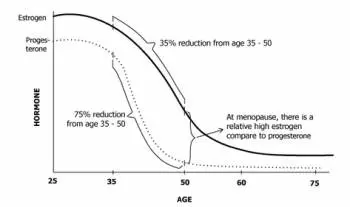
If you have high levels of estrogens in your body (or low progesterone) you can find more information about treating both here.
#2. Check free thyroid hormones (consider altering your thyroid hormone dose)
If your estrogen:progesterone ratio is not an issue then your high levels may be related to thyroid function.
At a minimum, make sure to assess both free T3 and free T4 levels (but really you should check a complete thyroid panel).
Excessively high free T3 and/or free T4 may be the cause of high SHBG in individuals taking thyroid hormone replacement medication (especially if it contains T3).
#3. Consider alternatives to OCP if you are taking birth control medication
One of the most common causes of high SHBG is the use of oral contraceptives or birth control medications.
The only way to lower SHBG if it’s related to these medications is to discontinue their use.
You should discuss this option with your physician and talk about other options (depending on why you are using them in the first place).
If you are using OCP medications for birth control then you may find better results switching to a form of birth control that does not include hormones such as the copper IUD.
How to Treat Low SHBG (how to increase it when it’s low)
Low SHBG tends to be more difficult to treat than high SHBG.
If you know that you have “suboptimal” SHBG then you will need to look at the following areas:
#1. Get a complete thyroid lab panel
If you are a menstruating woman with low SHBG then this is the most important first step to take.
To get a full thyroid panel you will need the following tests:
Once you get all of these tests you can compare your set of labs to optimal thyroid lab tests and determine if your thyroid is contributing to your SHBG level.
If it is, then you will need to take steps to increase thyroid function in your body either by taking thyroid hormone replacement therapy or by increasing thyroid function naturally.
#2. Assess your estrogen/progesterone ratio (especially if menopausal)
This is really only important if you are menopausal.
After menopause estrogen levels fall which can cause SHBG to drop.
Some menopausal women are sensitive to this small drop and therefore may benefit from bio-identical hormone replacement therapy.
#3. Check free testosterone levels
Low SHBG may indirectly leave more testosterone in the free and active state.
You can determine if this is happening in your body by assessing the free testosterone in the serum.
The combination of low thyroid function and low SHBG causes many of the symptoms seen in PCOS.
If you think this might be happening to you, then the best treatment is to get on the right thyroid hormone replacement medication which is often enough to normalize SHBG and help alleviate many of the symptoms of PCOS.
There are many other causes of PCOS, however, so this may not work for everyone.
Back to you
The bottom line?
This binding protein gives you important information about what is happening with various hormones in your body.
High SHBG is often caused by excessive estrogen levels while low SHBG is often the result of hypothyroidism (or low thyroid function).
The key to treating SHBG is to identify what is causing the abnormality and fix that problem.
This will help normalize SHBG levels in your serum and should help to reduce your symptoms.
Now I want to hear from you:
Do you have abnormalities in your SHBG level?
Have you been able to identify what is causing the problem?
Why or why not?
Leave your comment below!
Scientific References
#1. https://www.ncbi.nlm.nih.gov/pubmed/2673754
#2. https://www.ncbi.nlm.nih.gov/pubmed/1637726
#3. https://www.ncbi.nlm.nih.gov/pubmed/9368511
#4. https://www.ncbi.nlm.nih.gov/pubmed/9005961
#5. https://www.ncbi.nlm.nih.gov/pubmed/16409223
#6. https://www.ncbi.nlm.nih.gov/pmc/articles/PMC3845679/
#7. https://www.ncbi.nlm.nih.gov/pubmed/7749500
#8. https://www.ncbi.nlm.nih.gov/pmc/articles/PMC2648802/
#9. https://www.ncbi.nlm.nih.gov/pubmed/7787428


Hi Dr. Childs, I have a pretty high SHBG level – 174. I am 61 and have been on BHRT for 14 years. My estradiol is 32, my progesterone is 12.4. I am also on thyroid NP thyroid and take 60mg. My free T3 is 2.2, which is low. My free Testosterone is 2.3. I think it’s probably high due to my estrogen:progesterone ratio, but I really need progesterone to sleep at night. Plus I feel like progesterone keeps the negative effects of estrogen in check.
Hello! This article was just in time … I’m very concerned about my recent lab results (gaining weight like crazy, very tired) SOS!
TSH .01
Free T4 1.29
Free T3 4
Reverse T3 37.5
SHBG 104.8
Free Testosterone .21
Progesterone .2
Estradoil 193.2
Testosterone 26
I have just had blood done and shbg is 143 which is classed as high. Are there any herbal remedies worth taking?
Hi Nadine,
Not unless you know what is causing your high SHBG.
Hi, Dr. Childs!
I just got results back from an extremely complex blood panel and complete thyroid testing. The only things elevated were the SHBG (194) and the rT3 (24.5 I believe) literately EVERYTHING else was within normal range. Estrogen, estradiol, testosterone, free T3, free T4, DHEA, tbh, etc!
I’m not on any medications except Adderall. I am 39, have three kids, still having regular periods, but was sterilized in 2005 (Essure coils in Fallopian tubes).
Had weight loss surgery in 2015, lost 145lbs (from 330), holding steady weight for two years. No health issues at all. Didn’t have diabetes or high blood pressure or anything prior to surgery.
Any idea why just those two are elevated? And what should I do about it?
Thank you for your time!
Hi Dr. Childs, I’ve got high SHBG, high free testosterone, practically no proesterone AND high estrogen with subclin (TSH 4.0) hypothyroidism. (Diagnosed with ED). I do not take hormone therapy or thyroid meds and am still going thru meno age 54. Would DIM be right for me if goal is to reduce/balance estrogen or might it just raise my free testosterone more? Symptoms include fat around middle I can’t lose, loss of muscle tone, hair thinning and loss. Blessyou.
Hey Dr. Childs, I’ve tested high SHBG and high free testosterone three times and my FM is baffled. Finally got my thryoid under control from TSH around 4.0 to around 2.7 just by dealing with Vitamin B’s and other deficiencies. Estradiol dropped from 170 to 13 in eight mos. FM says my formerly high estrogen wasn’t a cause of high sHBG and high Free Testosterone. I am neither obese nor hyperthyroid so why are these numbers both so high as the said “it’s impossible”. I blame high SHBG for my flabby arm and leg muscles despite all my workouts. What is the deal here? Would appreciate your insight. Thanks I am 55 with sporadic periods still.
When on natural desiccated thyroid hormone replacement, is the SHBG level a better indicator of how much T-3 is making it into the cells versus looking at a serum based free T3 test? Think of a situation where TSH is low, Free T3 and T4 are low (Also low reverse T3), and SHBG is high. Focusing on the low free T3 alone would suggest taking more NDT. However, the low TSH in combination with an elevated SHBG might suggest enough T3 hormone is getting to the cell.… Taking more NDT will just elevate the SHBG and decrease the TSH. Thanks for your insights. I really appreciated the article.
Hi Peter,
The short answer is that you are certainly correct in that there are situations where the SHBG can be a better indicator of thyroid function depending on certain circumstances. The combination of SHBG, total T3, and reverse T3 become more important in the situations you are describing.
Hi,
I have hyperactive throid, antibodies are fine and high SHGB along with high free testosterone and estrogen, high fatty liver.
Sexual performance has taken a dive and on medication for thyroid.
Is there anything else I can do other than medication I am taking?
Maybe Prozac for short term as thyroid balances?
Thanks.
Hi Dr. Childs.
I’ve recently tested high SHBG 126 and I’m not clear on the next steps. Blood tests were ordered via my new endo. due to weight gain and low libido. My testosterone and free are both normal as are progesterone and estradiol. During initial blood work, my thyroid levels all appeared to be normal.
How do I lower my SHBG?
thank you
This article was unbelievably helpful! I am a 63-year-old female and have been struggling for over two years with sudden unexplained weight gain (30 lbs) and all the other signs of high SHBG that you listed (to extreme levels). I had a high SHBG level of 188.4, which my primary doctor said was not significant. The symptoms worsened over the next year to the point where they have aggravated my pain from Spinal Stenosis and DDD to a degree where my functioning and quality of life has tanked dramatically, making it impossible to walk at times. I reached a point of total desperation and found a Functional Medicine doctor, hoping he may be able to figure out what imbalance was causing this. He admitted he’s very new to it. I’ve got Hashimoto’s and take Nature Throid (68.75, the second increase in three months). I’m also on BHRT: Bi-Est and Progesterone. The labs show ratio is fine. Thyroid levels are also fine. Free Testosterone: 2.2, Total Testosterone:40. Since these are all normal, what can I do? Despite many therapies and low carb/IF nothing has helped at all. In fact, I gained 3 more pounds! Desperately need some guidance! Would Nettle Root be something that may help? Would so appreciate if you could help. Many thanks for your awesome website, FB and YouTube. You are helping so many! Bless you!
Where did my comment go? Ok, like all doctors, you dismiss and ignore people like me what you don’t understand…
Hi May,
All comments are moderated before being approved. Your comment didn’t go anywhere 🙂 If the comment contains poor grammar, poor punctuation, or has other issues then it won’t be approved. The approval process can take a few days depending on how busy we are.
What units do you use to get your ratio of estrogen to progesterone? Does it matter post menopausal? At least several of the people that have posted here use units – why don’t you? My wife is 80 yrs old and hypothyroid. She has been on T4 (50 mcg/d) and T3 (20 mcg/d) and her levels are now at the low end of normal. Following the “ReCODE Protocol” she started using an estradiol patch (.025 mg/d) 12 weeks ago and had SHBG tested for the first time this week – high at 130 nmol/l with estradiol still low (all being bound??). Free testosterone was not tested. Is high SHBG problematic at this level for the elderly? If you reply can you copy to my email?
Hi Doctor,is it possible Sir too much Antithyroid medication propthyuracil (PTU)cause high SHBG levels or hyperthyrodism disease self cause high SHBG? Thanks Doctor
I am a 45 year old woman with a normal health history, regular monthly cycles, routine negative pap and pelvic exams. I have had one normal pregnancy 15 years ago. Only significant health issue is anemia and low Vitamin D and B-12. I have taken oral contraceptives in my 20s and a few times off and on in my 30s but I felt that they caused me to feel depressed so I stopped taking them.
I recently went to the doctor and blubbered out how my periods are not regular anymore, they are heavy and my PMS symptoms are worse than they used to be and I wondered if I should try oral contraceptives to control the symptoms. I also feel tired and anxious all the time with a dead libido but chalked that up to a stressful, demanding career. My doctor ran some tests to measure my hormones. These are the results:
SHBG- 133.0 high
Progesterone 1.10
Estradiol 281.0
Testosterone FT .10 Low
As I said before I am not currently (or have in the last 10 years or more) taking Oral Contraceptives. My thyroid is fine and I’ve never taken Thyroid medication. So what does this mean for me and what treatment can I expect?
Hi Dr. Child,
I had a question. I am dealing with high testosterone, free testosterone, DHEAS, and DHEA. I never struggled with high free testosterone until the past few months. Could over exercise have decreased my SHBG and therefore increased my free testosterone? I was running 4 miles 6x/week, but have since stopped since all my female hormones were also low! How long can it take to recover from a hormone imbalance caused by overexercising? Thank you!!
Respectful request for a reply to my queries of 8/31/19
Hey Dr. Childs,
if someone has high reverse t3, could that elevate SHBG levels just as taking too much t3 medications?
Hi Dr. Childs,
I have high SHBG, but normal estrogen and thyroid levels in a recent blood test. Is there some other cause for extremely high SHBG level of 129 in a women whos 28, other than the ones you listed in this article?
Hi Jessica,
The most common would be the use of birth control pills but some people just have high SHBG presumably due to genetics.
Hello, thank you for all that you do to try to educate us on our thyroids and hormones. I have learned a lot. I am Hypothyroid now and felt great, something is off because it is winter and I am freezing, the weight is coming back and I feel achy. I am not sure what my labs should be. My last results are
FSH 3.0
Estradiol 167
Progesterone 9.4
Testosterone 21
AM Cortisol 6.8
Vit D 22
SHBG 89.2
TSH 0.277
T4 0.70
FreeT3 2.45
Do you have any suggestions? I plan on ordering Functional Fuel Complete – Thyroid Friendly Protein Powder for Hypothyroidism & Hashimoto’s – French Vanilla, Gut Bomb 350 Billion | Ultra Potency & Multi Strain Probiotic for Weight Loss & A.R.C II (Adrenal Reset Complex – Adaptogens) – Non GMO, Vegan, Adrenal Formula. Do you think these will help with weight-loss?
Thank you!
Hi Millie,
Those are a good start but I think you’ll probably do better on these:
2 scoops of Functional Fuel ENERGIZE daily during weight loss period
1-2 capsules of Leptin Resistance Rx daily during weight loss period (continue for 2 months once desired weight is achieved)
1 packet of Gut Bomb 350 billion daily (1-2 rounds as necessary)
1-2 soft gels of Omega Soothe SR daily (for duration of weight loss)
Hey doc,
My current TSH level is 3.9 with the previous check being 4.7( ref range
.30 – 5mciu) My T4 has been right at 1.1 regardless of my TSH level. I do have a lot of the symtoms and family history in regards to thyroid.
I do also have very low total testosterone (208) with a SHGB of 12nmol.
I cont pinpoint why i suddently came down with anxiety and the depression so im thinking it maybe thyroid od testosterone related.
Do these results seem peculiar?
Dr. Childs,
Thanks for your informative website. I began HRT a few months ago (Armour Thyroid up to 90Mg daily) to address hypothryoidism (TSH over 5) and absent libido. My Free T3 and T3 and bio-available testosterone have always been at the bottom or below the RR. T4 in the middle of the RR.
Just had my first follow-up labs. My TSH is now below 0.5. My Free T3 and T3 did not move, my bio-available test. did not move. My SHBG went up from 94 to 119. T4 still dead center.
My doctor and I are now adding liothyronine sodium, in slow but steady increases. I’m concerned that we’re just fueling a further rise in SHBG and a suffocation of the Free T3 I’d rather see getting to my tissues. Is it self-defeating to add T3? I’m also supplementing with boron and avena sativa, hoping that will help bring SHBG down.
I’m worried my doctor and I are at cross-purposes and feeling like there’s no solution for me that doesn’t backdoor me into worsening my symptoms. Any advice or encouragement?
Thanks, Jim
i am a 58 year old post menopausal woman with very high SHBG levels for years. Most recent 186 nmol/L. My progesterone to estradiol ratio is good at 250. I take compounded SRT4/T3 combination and high doses. 57mcg total of each, taken in divided doses 12 hours apart. What’s interesting is that every 6 months for the past 2 years , my Free T3 and Free T4 go down , eventhough i have been increasing my dosage gradually over the same time period. My TSH is very suppressed at 0.01 for 2 years now.
Can’t seem to optimized my Free T3 levels , even when adding 5mcg of cytomel. Main symptoms are cold hands and feet, very dry skin and itching. Any thoughts ? Thank you
I have the opposite, low T3 (I am on 30mcg Liothyronine and still below the bottom of the range), and low estrogen, yet by SBG are high at 95. What could cause this?
Also, Hoffman’s Syndrome – could you write about this, could you discuss how long it takes to reverse painful, tight muscles once thyroid levels are optimal? Is there any correlation between how long it takes to resolve and the duration of hypothyoridism/muscle issues. Thank you –
Hi Sarah,
Yes, I will add it to the list!
You are very interesting. I’ve never heard of this before. I’ve had a complete hysterectomy and do HRT. For a recent refill of the script I had to get a blood test. Dr. Said all numbers were fantastic except my testosterone was 807. She immediately took that out of the formula. I have no symptoms other than hair loss. Any suggestions of why my body is not absorbing the minimal testosterone I had in my script and now just floating around in my blood.
Desperate April
Thanks!
Hi April,
If you received it via injections or cream then it was being absorbed, it may have just been that the dose was too high in the preparation.
Hi Dr Childs–
You are amazing! Really think you are one of the best resources I have seen–thank you!
What do you think about this? I am 66, very fit, have CVID, high arsenic, many SNPS.
Labs With No Meds: Drawn 4-20-21 (28 hr after last dose/non fasting)
TSH 2.98
Free T-3 1.2 (L)
Free T-4 0.38 (L)
R-T3 5.6 (L)
Test F/tot 9
DHEA 59.5
Estradiol 183.0
Progesterone 7.3
SHBG 148.(H)
I have been very hard to balance for years. 35 TSH tests show a wide range. Total T-3,RT3,T4 most often low.
I work hard on my health! I am a saint!
What about High SHBG and low Estrogen in male ?
I’m 31 male with low estrogen (a lot lower than the minimum normal range) Having all the symptoms of low estrogen but my SHBG is high.
Healthy diet and fairly active lifestyle.
Everything else like T, Thyroid hormones, vitamin and minerals.. everything is spot on perfect. Cortisol is ok as well.
Estradiol: 25.3pmol/L – Normal range for male is 41-159pmol/L
SHBG: 71.48 nmol/l
Thanks!
My SHBG is quite high. I was taking DIM to reduce it, but this isn’t enough. As a 69 yr old woman on Bi-Est with Testosterone, and also on synthetic T3 and T4, I understand either could be causing the SHBG to be high. But I’m unclear what my problem might be based on what you’ve covered in the article. In my circumstances, should I should question the Bi-Est ratio with the compounded oral progesterone I also take? And how to I calculate my own ratio? As for thyroid calculations, I’ve got mid-range T3 and T4 numbers, with a bad Free T3 to RT3 ratio.
Hi Patricia,
It’s more common for women to be overdosed on estrogen than it is to be overdosed on thyroid medication, though both can occur. Given the probabilities, I would probably look at estrogen first, though.
Calculating estrogen/progesterone ratios doesn’t quite work the same way it does for the thyroid, especially in menopausal women.
Thank you, you are very kind. Your staff let me know your hypo bundle will also help me (even though it is Central Hypothyroidism).
I recently got blood work done and I have high TSH and high SHBG which seems the opposite of what should be happening also my free g is very low I’m a 40 year old male, any ideas on what’s going on?
Hi Matthew,
Have you tested your estrogen level yet? Other factors can influence SHBG such as estrogen, medications, and genetics.
Hi Dr. Childs,
I have recently discovered your work and really appreciate the podcast and information. I have was diagnosed with PCOS when I was 20 as I had lost my menstrual cycle. I have recently gained my period back via following treatment plan for hypothalamic amenorrhea. Since this, my estrogen levels are in range and my androgen and free testosterone are no longer abnormally high. Within the 10 years following recommendations for PCOS, I progressively and excessively increased my exercise routines and unrefueled. I now believe this led to my suppressed hormone levels and hypothyroid. My thyroid levels are normalizing and now free t3 is high but free t4 is low (I am taking armour and listened to your podcast on free t4 levels dipping down while taking armour as opposed to levo or synthroid).
Recent labs how SHBG is 30nmol/liter, last year 25nmol/liter. I appreciate you telling me if SHBG levels tend to increase with further hormone regulation (i.e. maintaining menstruations and healing thyroid)? Do you see decreased SHBG in low energy states / do you think this is solely linked to the hypothyroid in low energy states?
Would you recommend adjusting thyroid medications to raise free t4 levels in order the potentially increase SHBG?
Thank you. I really appreciate your time here.
Dear Sir,
I’m a 58 year old male from England, if that makes a difference, diagnosed with hypothyroidism 2 years ago, put on 50 of levo increased to 200 and found not to convert well so consequently started on Lio start dose 15 increased to 60 while reducing levo to 50, currently on 42.5 of Lio and 100 levo,
Latest results show T4 below range and T3 about 30 percent through the range TSH suppressed. I have recently found out that my SHBG is extremely high and my androgen is very low, my question is this could my initial diagnosis be incorrect, the endo- is suggesting that I am over medicated although my results don’t back that up, also I have found out that I have osteoporosis, which again he suggests is a result of over medication, in 2years? I could really do with some sound advise and direction being as 2 years on and I’m still suffering.
Disappointed how this article ignores the discussion of men with high SHBG levels as it pertains to thyroid health.
i have the same concern as these people…i could not find any replies though…perhaps you could offer some insight.
D
March 1, 2021 at 7:54 pm
Very interesting article! What if your shbg is very high but your estrogen is low and so is your ft3 and ft4? Goes against all the scenarios. Symptoms of low T present but a serum test shows 4.2?? Taking 1 grain of armour and use topical bhrt e &p. What could this mean?
Reply
Reenie B
January 20, 2022 at 10:14 am
I’d also like to know this answer. My SHBG is over 1,000 and my hormones are all very low.
Hello,
I’ve been reading your blogs which have been so helpful! I should be receiving the T2, Berberine, Leptin and Multivitamin tomorrow. I was looking at one of the case studies you posted… do I have to go on a rx medication or should the supplements I ordered be ok to start with?
I have symptoms of hypothyroidism, leptin and insulin resistance. Fatigue, weight loss resistance and hair loss are my biggest struggles. Per your optimal levels, my TSH is high, T4/T3/SHBG/B12/Vit D are all low.
Thank you for any insight you can share!
Hi Kaylyn,
Unfortunately, it’s really difficult to assess how aggressive one should be if they are trying to lose weight. My general recommendation is to combine as many therapies and treatments as possible and then see how your body responds. If you wanted to start out with just the supplements, that would be a reasonable approach but you may find that you ultimately need additional treatments down the line.
Great informative article! Thank you. I am a 44 year old woman, just received a reading of 193 for my SHBG! I am estrogen dominant and I’m glad you made that connection here, because I kept seeing estrogen therapy mentioned, but I was thinking estrogen dominance MUST play a role here. Ugh, it’s tough because I’ve been taking Dim and calcium de-glucrate, and dosing high with progesterone cream for 4 months, but looks like I’m still having issues. Not sure what to do now. My Dr is going to give me bio-identical testosterone cream, but I’m worried it won’t get where it needs to go. Hopefully it helps because I’m not feeling my best, that’s for sure:(
April
Hi Dr.Childs,
Thanks for your article.
I understand that the contraceptive pill can influence high SHBG.
I currently use the combined hormonal contraceptive pill (Yaz) and found high SHBG.
But after doing a blood test, I found my estrogen, progesterone, and testosterone are quite low. !!!!
” Can my low sex hormone levels problem be caused by high SHBG from taking the contraceptive pill? ”
I’m curious if I discontinued the contraceptive pill, would it reduce adverse effects and help to increase some sex hormone levels or not?
I’m 32 years old female.
I have MDD (with Anti-depressant resistance), PMDD, Fibromyalgia, and ME/CFS.
Current medication taking:
– Yaz (Combined hormonal contraceptive pill)
– Cymbalta (Duloxetine HCl) 60 mg/day
My laboratory test reports are as below;
=== Blood sugar ===
Glucose level 91 mg/dL (ref: 70-99 mg/dL)
Glycated Hb (A1C) 5.4% (ref: <5.7%)
=== Lipid profile ===
Total Cholesterol 'H' 220 mg/dL (ref: 50 mg/dL)
LDL Cholesterol 124 mg/dL (ref: <130 mg/dL)
Triglyceride 73 mg/dL (ref: <150 mg/dL)
=== Liver function ===
Total Protein 7.7 g/dL (ref: 6.4-8.3 g/dL)
Albumin 4.2 g/dL (ref: 3.5-5.0 g/dL)
Glubolin 3.5 g/dL (ref: 1.5-3.5 g/dL)
Total Bilirubin 0.7 mg/dL (ref: 0.20-1.20 mg/dL)
Direct Bilirubin 0.2 mg/dL (ref: 0.00-0.50 mg/dL)
Alkaline Phosphatase 47 U/L (ref: 40-150 U/L)
SGOT (AST) 22 U/L (ref: 5-34 U/L)
SGPT (ALT) 26 U/L (ref: 0-65 U/L)
=== Inflammation ===
C Reactive Protein (High Sens) 1.45 mg/L (ref: Low risk <1.00 mg/L)
Serum Ferritin 50.24 ng/mL (ref: 10.00-204.00 ng/mL)
Homocysteine 5.3 umol/L (ref: 5.0-15.0 umol/L)
Uric acid 4.4 mg/dL (ref: 2.6-6.0 mg/dL)
=== Metabolic hormone ===
Insulin level 6.3 uU/mL (ref: 2.6-24.9 uU/mL)
=== Thyroid function hormones ===
TSH 2.88 uIU/mL (ref: 0.35-4.94 uIU/mL)
Free T3 2.35 pg/mL (ref: 1.72-3.54 pg/mL)
Free T4 0.82 ng/dL (ref: 0.70-1.48 ng/dL)
=== Adrenal hormones ===
DHEAs 111.5 ug/dL (ref: 95.8-511.7 ug/dL)
Serum Cortisol 13.70 ug/dL (ref-AM: 6.0-28.5 ug/dL)
=== Growth hormones ===
IGF-1 167 ng/mL (ref: 41-246 ng/mL)
=== Bone mineral hormones ===
Total Vitamin D3 (25-OH) 68 ng/mL (ref: 30-100 ng/mL)
PTH 52.3 pg/mL (ref: 15-68.3 pg/mL)
=== Fertility hormones ===
Total Testosterone 13 ng/dL (ref: 11-57 ng/dL)
SHBG 'H' 220.0 nmol/L (ref: 19.8-155.2 nmol/L)
Free Testosterone 0.05 ng/dL (ref: 0.09-0.95 ng/dL)
Bioavailable Testosterone 1.23 ng/dL (ref: 1.7-21.79 ng/dL)
Estradiol (E2) 'L' 10 pg/mL (ref- Luteal: 21-312 pg/mL)
Progesterone 0.4 ng/mL (ref- Luteal: 1.2-15.9 ng/mL)
LH 2.16 mIU/mL (ref- Luteal: 0.56-14.00 mIU/mL)
FSH 4.63 mIU/mL (ref- Luteal: 1.38-5.47 mIU/mL)
Noted:
1) My Gynecologist done PV examination (+ ultrasound) found nothing physically abnormal.
2) My another doctor (Anti-Aging and Regenerative medicine) commented that my Thyroid and Adrenal glands are quite underactive. He suggested me see an Endocrinologist.
3) My Endocrinologist sent me to doing Thyroid gland ultrasound and Brain MRI – pituitary found nothing abnormal.
4) My Psychiatrist commented that my MDD had a low Norepinephrine neurotransmitter, got PMDD, and the Anti-depressant medication was not effective which might be affected by low sex hormone levels.
I am a woman and stopped my birth control late 2019 (after being on it 20+ years) and went straight into menopause, @ 45. I started hormone replacement shortly after and was already experiencing low T and it was very low. My SHBG ever since I 1st had it tested in 2019 has been off the charts 150+. I’ve tried everything to bring it down, IC3, Macha root, etc. My thyroid and related levels continue to be normal.
I was using a wellness company to do bioidentical hormones and in order to feel relief from low T (any kind of sex drive) my T levels would have to be 400-500. I had to convert to regular hormone replacement through my OBGYN a few months ago b/c the bioidentical are not covered by insurance and it was too expensive. But now I have to figure out how to get my levels back. My T level is still low, under 100 and my free T is 0.9. I currently take weekly injections. I am also on Progesteone and Estrogen (mainly for vaginal dryness and atrophy). Those levels are in normal range.
I continue to be so frustrated with the lack of research on women’s sexual health and how to take care of our sexual satisfaction needs. Any advice you have to help would be appreciated. I’ve done so much research and there’s just nothing good, nothing that seems to work. If I would have known how badly birth control would have affected my sexual health years down the road I would have never taken it. My old OBGYN never even mentioned it. I feel like no one care about fixing people like me.
I actually have high total & free T3, which I think is the reason I also have high SHBG. So this article wasn’t too helpful for my case. I still don’t know what to do to address my high T3 so I can ultimately lower my SHBG-which is causing me to have low estrogen & lower testosterone. Note: Only my total & free T3 are high, the rest of my thyroid hormone levels are close to optimal..please give me suggestions
Hi Angela,
Are you taking thyroid medication or birth control pills? Those are the most likley reasons for a sky high SHBG.
I am on T4 mono (with high Rt3 and hypo symptoms) so I added T3. The T3 did not act on top, it de facto left me more hypo over months till I realized the T3 does not do me any good. As soon as I ad T3 (no matter the amount) my conversion rate reduces.
I experience the same mechanism with much more T3 and less T4 – my body runs on the T3 I add and leaves me very hypo afterwards. In other words, the T4 (which should be plenty) does NOT function as back up. Why? Is it bound?
After reading this article I even begin to think this could be an issue of the SHGB and even the TBG and this mechanism is even increased with adding T3. T3 only addresses all my issues btw like levo never did but the extremes are unbearable because as soon as the T3 drops my body goes crazy.
Have ever heard of this?
Hi Marie,
Yes, I’ve seen all manner of reactions to all types of medications. It just sounds like you don’t tolerate T3. It could be that it’s bound, it could be a sensitivity issue, or it could be a resistance issue, it’s hard to say and you may never know for sure.
That doesn’t really matter, though, because you can still try combinations of T4 + T2. Through some trial and error, you can find what works best for you. There are literally hundreds of options and combinations that can be used and tested: https://www.restartmed.com/how-to-optimize-thyroid-medication/
Thank you Dr. Child! I will look into that, including NDT.
May I add to ask if SHBG only works as binder or as blockage, too? Like rT3? On the cells/thyroid receptor directly? My hypo can worsen like clockwork during the cycle, starting with ovulation and ending with the period. This can happen both in hours. This is very similar to the “T4 is not used properly under T3 addition” issue. The hormones are in the blood (also free), but not in the cells. Unfortunately I did not find anything mentioning the SHBG levels changing in the cycle.
Hi Marie,
SHBG binds to sex hormones, not thyroid hormones, but thyroid hormones influence SHBG levels.
Please advise if possible.
I am a 47 year old type 1 diabetic in perimenopause. I was having severe perimenopause symptoms, and all of my sex hormone panels came back low, and my SHBG is over 400. My doctor went ahead and put me on estrogen, progesterone, and testosterone. My estrogen and progesterone are back in normal ranges, but my testosterone levels are still quite low and my SHBG remains very high. My thyroid function is normal. Is there any other option to lower SHBG without reducing the estrogen which is providing much needed relief from symptoms ranging from night sweats, brain fog, low libido, fatigue, frozen shoulder, and anxiety. I am not overweight and have fairly good control over my blood sugar levels. I have very young children and desperately want to outlive Type 1 diabetic average lifespans so I can potentially meet my grandchildren.