- Weight loss in Hashimoto's is fundamentally different from typical weight loss. Your broken thyroid metabolism requires a different approach than calorie restriction alone. Most Hashimoto's patients fail at conventional dieting because they're fighting biology, not laziness.
- Targeted supplements boost metabolic rate when thyroid medication isn't enough. L-carnitine transports fat into mitochondria for burning. Conjugated linoleic acid (CLA) shifts metabolism toward fat loss. Iron and B vitamins support energy production. These work synergistically with proper thyroid treatment.
- Your intestinal health directly controls weight loss potential. Leaky gut prevents nutrient absorption, worsens thyroid problems, and blocks fat loss. Heal your gut with bone broth, collagen, L-glutamine, and probiotics before expecting weight loss success.
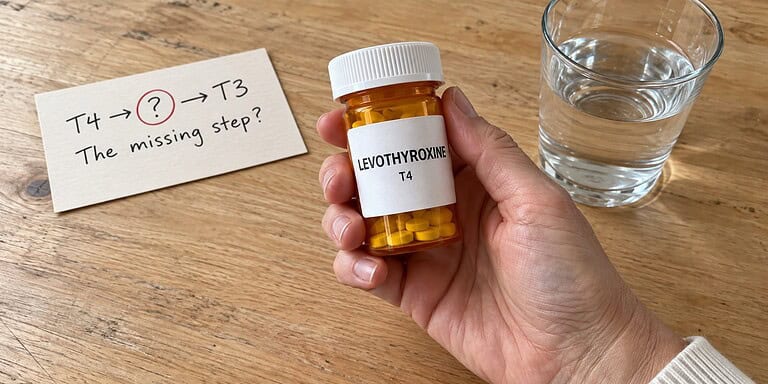
- T3 optimization unlocks weight loss that seemed impossible before. If your free T3 is low-normal, most weight loss plateaus are due to inadequate T3. Supporting T3 conversion with supplements like selenium, zinc, and iron allows weight loss to resume.
- Combine targeted supplementation, gut healing, proper thyroid management, and strategic exercise for sustainable weight loss. Intense cardio and extreme calorie restriction backfire in Hashimoto's by lowering T3. Instead use resistance training and eat adequate protein.
Thyroid patients with Hashimoto’s have a problem:
Hashimoto’s causes thyroid damage, which causes thyroid problems leading to a sluggish metabolism and weight gain.
You already know this because you’re living it.
But what you may not know is that there’s a potential solution to this problem right under your nose:
Supplements.
But not just any supplements will do for someone with Hashimoto’s. No, what you need is targeted supplements that target the root cause of weight gain in this condition.
Things like gut health, immune dysfunction, appetite control, insulin resistance, and muscle health.
These are the things you want your weight loss supplements to target if you have Hashimoto’s, and these are the things we are going to talk about right now:
#1. Protein Powder
What does protein powder have to do with Hashimoto’s weight loss?
Everything, actually.
Protein powder isn’t valuable because it contains protein. It’s valuable because of what your body does with it:
Builds lean muscle mass.
The more muscle mass you have, the higher your metabolism. The higher your metabolism, the more calories you burn at rest.
And for someone with a sluggish metabolism, this is exactly what you need.
Here’s how it works:
First, through its ability to help promote satiety and reduce the amount of food that you consume[12] [3].
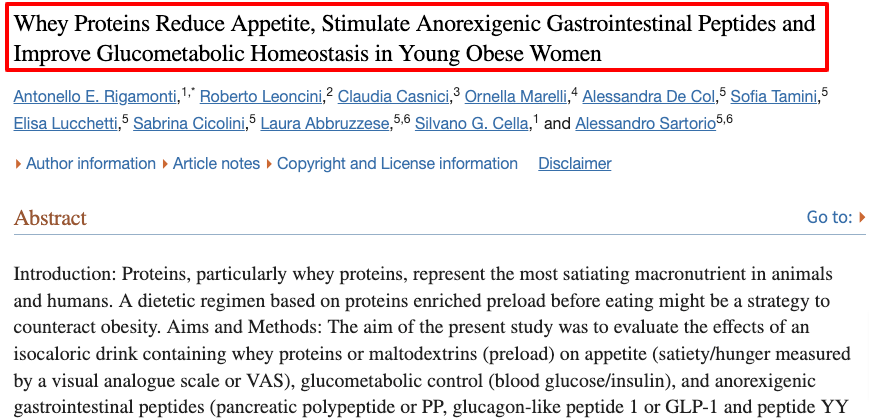
Second, through its ability to help promote the production of lean muscle mass[13] [4] (remember that protein is required for muscle growth and development).
Third, through its ability to increase muscle mass and, therefore, thyroid hormone activity.
Do you know what the biggest site of thyroid hormone action is across your entire body? If you said muscle mass, you are correct.
The more muscle mass you have, the more active your thyroid must become.
Protein powder is especially effective when combined with diet and exercise programs.
The idea in combining these therapies is that the more muscle mass you can produce, the higher your metabolism will be and the more calories you can burn at rest.
Don’t overdo it on the protein powder, though, as high levels may promote or worsen leptin resistance.
You want enough protein to help maintain and build your muscle mass (based on your activity level) and no more.
For most people, try to get at least 60 grams of quality protein each and every day.
You can use protein powder to more easily get to this value, but the majority of your protein intake should come from natural food sources (not protein powder).
It’s easy to see, though, how an extra 20 grams of protein from protein powder will make it a lot easier to hit this 60-gram-per-day goal.
It’s also worth mentioning that this 60-gram-per-day goal is really just the floor in terms of requirements.
If you are actively trying to build muscle mass, then consuming higher quantities of protein will likely be required.
When using a protein powder, look for one that is clean.
A clean protein powder does not contain added fillers, dyes, preservatives, or artificial flavors.
These added ingredients serve no extra purpose and, while the data on their harm is limited, it’s generally not a good idea to put them into your body if you don’t need to.
There are pros and cons to using different types of protein powders, but my preference is generally for plant-based protein powders that contain a combination of pea, chia, rice, and quinoa.
Blending multiple types of plant proteins allows for a more evenly distributed amino acid blend that more closely mimics what you’d get from animal sources and from whey protein.
Based on my experience, plant-based protein powders are also better tolerated compared to whey-based protein powders as they are generally cleaner at baseline.
There are lots of different protein powders to choose from, but I am partial to my own (shocker!) because I created it specifically for thyroid patients.
#2. Collagen
Collagen is really a subtype of protein powder that contains an array of amino acids not commonly found in the standard American Diet.
And, yes, collagen is great for everyone, but it’s especially great if you have Hashimoto’s.
Why?
Because thyroid conditions degrade collagen more rapidly than in the average person.
That means you will experience the effects of collagen decline earlier than someone your same age who doesn’t have a thyroid problem.
And for your weight, this is a problem.
Not only does low collagen negatively impact your aesthetic appearance (hair, skin, and nails), it also weakens your joints and muscles.
Studies have shown that resistance training, when combined with collagen, may promote an increase in muscle strength and a reduction in fat mass [5].
Even though collagen contains proteins, it is not a replacement for protein powder.
In other words, you wouldn’t want to use collagen in place of protein powder; you’d want to use collagen in addition to protein powder.
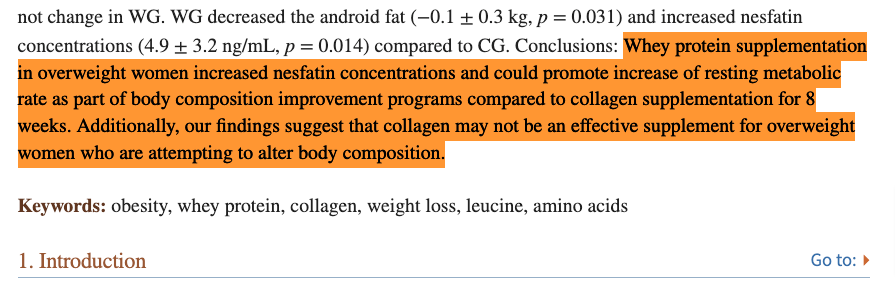
This is because of the differing amino acid content in each.
The amino acids found in high quantities in collagen are more helpful for bones, joints, ligaments, skin, and gut health.
Whereas the amino acids found in protein powders (like those mentioned above), are more suited for helping you build muscle mass and manage your appetite.
If you desire the additional benefits that collagen provides to beauty proteins and the structural components of your body, in addition to weight loss, then it can be considered.
But definitely do not consider it a replacement for protein powder.
I recommend using this collagen, which was designed for thyroid patients.
#3. Berberine
If there’s one supplement on this list that Hashimoto’s patients should pay the most attention to, it’s berberine.
Why?
Because the number one hidden driver of weight gain in Hashimoto’s, outside of the thyroid itself, is insulin resistance.
And berberine goes after it directly.
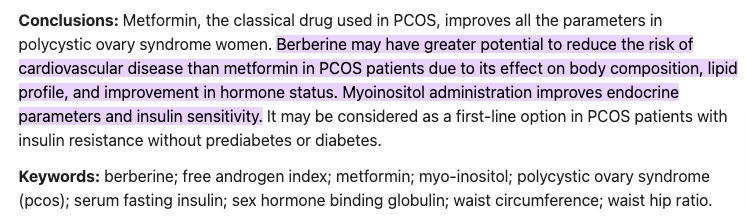
Berberine has been shown in some studies to help improve blood glucose levels while also reducing insulin[14] [6].
This impact is so strong that it has even been shown to rival metformin in terms of its efficacy.
In other words, this little ingredient may be just as strong as some prescription medications used to treat insulin resistance and diabetes (at least according to one study).
This is important because a huge number of people have insulin resistance (up to 2/3rds of people in the United States), and insulin resistance is a known contributor to obesity.
And if you have Hashimoto’s, the odds are even higher that you’re dealing with insulin resistance. The chronic inflammation that comes with autoimmune thyroid disease drives insulin levels up over time. In my experience, insulin resistance is one of the top reasons my Hashimoto’s patients can’t lose weight even when their medication looks optimized.
When insulin levels are high, your body will have a tendency to store the calories you consume as fat and will be less likely to burn your fat stores for energy usage.
Using berberine, in conjunction with diet and exercise, may result in a decrease in fat mass and an increase in lean muscle mass.
You can learn a lot more about how berberine helps with obesity and weight loss here.
How you use berberine will impact how much you need to take.
If you are using berberine by itself, then you will need higher doses, somewhere in the range of 1,000mg to 2,000mg per day.
If you are using it in conjunction with other nutrients (which is my preferred method), then you don’t need those higher doses.
The studies that exist for berberine suggest that you will want to take it for at least 13 weeks, but I would recommend using it for even longer.
When using berberine, you should be aware that it tends to cause a reduction in your body measurements before it impacts the scale.
This is probably due to its influence on fat-storing hormones like insulin.
This doesn’t mean it isn’t effective; it’s just probably not what many of you are used to.
#4. Fish Oil
Fish oil makes this list for a reason that’s unique to Hashimoto’s patients: it targets inflammation.
And not just any inflammation. The specific type of chronic, low-grade inflammation that your immune system creates when it attacks your own gland.
This inflammation doesn’t just damage your thyroid. It makes your fat cells dysfunctional, drives up insulin, and makes it nearly impossible to lose weight.
Fish oil may help promote weight loss through its ability to reduce inflammation, improve insulin sensitivity, and enhance thyroid function.
As you may or may not know, obesity results in an inflammatory condition in your fat cells known as adiposopathy[15] [7].
The idea is that as fat cells increase, not only do they become larger, but they also become dysregulated.
This dysregulation results in changes to the hormones that they secrete and causes conditions such as leptin resistance.
If you want to keep your body weight in check, you will need to make sure that you keep your fat cells happy and inflammation-free.
Fish oil may promote weight loss by reducing this inflammation and improving insulin levels in the body[16] [8].
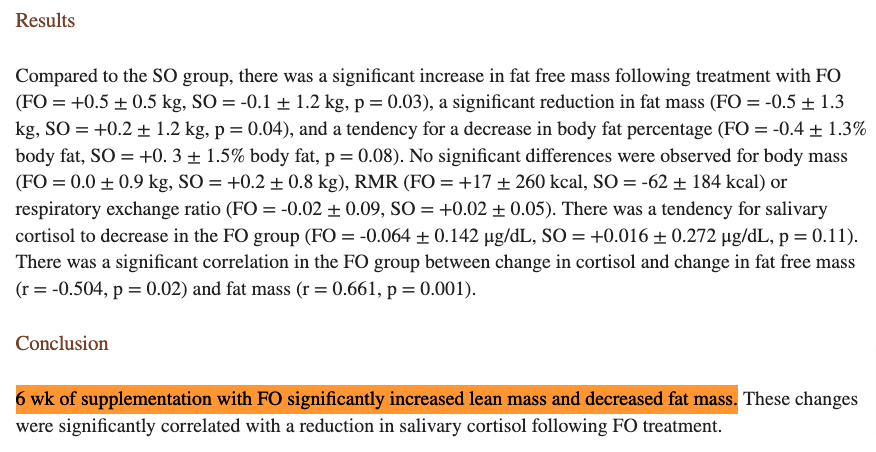
To get these benefits, you may need to use doses as high as 2-4 grams of standard fish oil per day.
As a weight loss therapy, fish oil tends to work best for those with known inflammatory conditions, which is why I like to use it in people who have weight gain and autoimmune disease.
This is exactly why fish oil is on this list. If you have Hashimoto’s, your immune system is creating inflammation every single day.
That inflammation doesn’t just damage your gland. It also makes it harder for your body to burn fat and easier for it to store it.
Like berberine, fish oil will likely help you bring inches down on your waistline and body before you see changes on the scale.
Plan to use fish oil daily for at least 3+ months (or longer, depending on how much weight you need to lose).
#5. Magnesium (Ozonated)
Here’s something most people with Hashimoto’s don’t realize:
Some of the weight that you’re carrying has nothing to do with fat.
It’s backed up stool from Hashimoto’s-related constipation.
It’s well known that Hashimoto’s slows down your gut, leading to less frequent bowel movements.
What isn’t as well known is the fact that this can contribute to an extra 3-5 pounds of weight on the scale.
When you weigh yourself every morning, that stool weight is showing up.
And if you’ve been doing everything right but the scale refuses to budge, this could be part of the problem.
The fix for this is magnesium, but not just any form.
Ozonated magnesium is, by far, the best option for thyroid patients.
Why? Because this form works by releasing oxygen into the digestive tract, which gently softens and breaks down compacted stool so your body can actually move it out.
The result? Less bloating and more complete bowel movements.
And together this translates to a reduction in the number you see on the scale.
But this isn’t the only benefit you get from taking magnesium as a thyroid patient.
It also helps increase iodine uptake into the thyroid gland. Iodine is one of the raw materials your thyroid needs to make thyroid hormone. Better iodine uptake means better thyroid hormone production, which directly supports your metabolism.
And then there’s sleep.
Poor sleep is one of the most underrated contributors to weight gain. When you don’t sleep well, cortisol goes up, hunger hormones go haywire, and your body holds onto fat instead of burning it.
Magnesium helps here, too. It activates your parasympathetic nervous system, brings cortisol down at night, and promotes deeper, more restorative sleep.
If you’re looking for ways to reduce the scale fast, I would strongly recommend looking into ozonated magnesium. You can find it in thyroid-approved doses in my Thyro Mag+ supplement.
#6. Glucomannan
If you have Hashimoto’s and you struggle with constant hunger, cravings, or overeating, glucomannan might be exactly what you need.
It’s a viscous type of dietary fiber that works completely differently from every other supplement on this list.
Instead of targeting hormones or inflammation, it targets your appetite directly.
When taken with water, glucomannan expands and turns into a viscous jelly-like substance that exerts pressure on your stomach wall.
This pressure on your stomach triggers stretch receptors, which then send the signal to your brain that you are full, thereby reducing your appetite.
It also has the added effect of slowing down the absorption of food, which positively impacts blood sugar and insulin levels as well.
For Hashimoto’s patients who are dealing with insulin resistance and constant hunger, glucomannan can be a game-changer. It targets both problems at once: it physically reduces your appetite while also slowing down the blood sugar spikes that drive insulin higher.
Glucomannan really only works if you take it correctly, though, so here are some tips to help you get the most out of it:
- Take it with a big glass of water (12 ounces or more) 20-30 minutes before your biggest meal – This will help reduce the number of calories you eat during that meal.
- Use it strategically – Think about when you tend to struggle with eating healthy, and use it accordingly. You can also use it before you plan to go out with a group of friends or with your significant other to reduce the number of unhealthy calories you would otherwise eat.
- Use it in conjunction with intermittent fasting – Glucomannan makes fasting a lot easier because it can reduce hunger pangs. In addition, it will not break your fast because it is nonabsorbable.
- Use it away from other supplements and medications – The sticky viscous jelly that it creates will delay the absorption of food, but also will slow down the absorption of supplements and medications. Taking your supplements and medications 2-4 hours away from whenever you take glucomannan will solve this issue.
It works to help regulate your appetite, help you consume less food[17] [9], and slow down the absorption of nutrients and carbohydrates that you consume.
Believe it or not, this supplement has a few studies that show that it can be effective for weight loss.
It’s worth considering, especially if you suffer from insulin resistance or have issues with binge eating or controlling your appetite.
I’ve tested out several forms of glucomannan and have found the best success with propolmannan.
The recommended daily dose is anywhere from 3-6 capsules taken once or twice per day.
#7. Probiotics
Here’s something most Hashimoto’s patients don’t realize: your gut health is directly connected to your autoimmune condition.
And if your gut is off, losing weight becomes significantly harder.
That’s where probiotics come in. They aren’t always thought of as weight loss supplements, but studies have shown that they may actually help[18] [10].
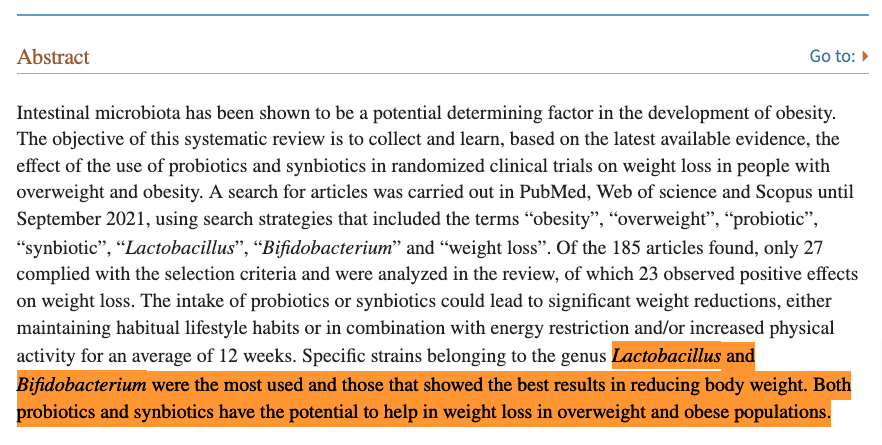
The idea behind how they work has to do with how the bacteria in your gut process and mediate the absorption and breakdown of foods.
Certain bacterial species help you increase and absorb more nutrients when compared to other species.
It seems that the more unhealthy your gut is (based on several factors, including your diet), the more calories you will absorb from food.
Taking probiotics allows you to alter your intestinal microbiome and may help promote the growth of healthy species.
As these healthy species grow in population (and crowd out the unhealthy bacteria), you will see changes in secondary messengers, which may then impact things like your appetite, cravings for foods, and whole-body inflammatory levels.
If you have Hashimoto’s, this gut connection is critical. Research continues to show that intestinal permeability plays a role in triggering and perpetuating autoimmune conditions. Getting your gut bacteria in order isn’t just about weight loss for you. It may help reduce the immune attack on your gland and lower your antibody levels over time.
The result will be an automatic change in your diet and a bunch of secondary changes, which may result in weight gain.
I’m oversimplifying this process here, but if you are interested, you can learn a lot more about how it happens here.
If weight loss is your goal and you’d like to use probiotics to help you get there, you should be aware of a few things:
- Higher doses tend to work better for weight loss – You’ll want to use doses of at least 50 billion CFU or greater.
- Look for probiotics that have diversity in probiotic species – For weight loss, the more species the better.
- Don’t be afraid to take multiple capsules per day (more than the recommended dose) – You may need to take more than one type of probiotic and more than one capsule to get the diversity in species and the dosage necessary for weight loss.
For Hashimoto’s weight loss, the three best species are soil-based organisms, beneficial yeast (Saccharomyces boulardii), and a combination of bifidobacteria and lactobacilli.
You can get all three in this probiotic.
#8. Caffeine
I’m including caffeine on this list with a warning for Hashimoto’s patients: be very careful with this one.
Caffeine is a stimulant that can be effective for weight loss in some instances, but for someone with an autoimmune thyroid condition, it can easily do more harm than good.
While caffeine can be effective for weight loss in some instances[19] [11], it’s well known and already widely used.
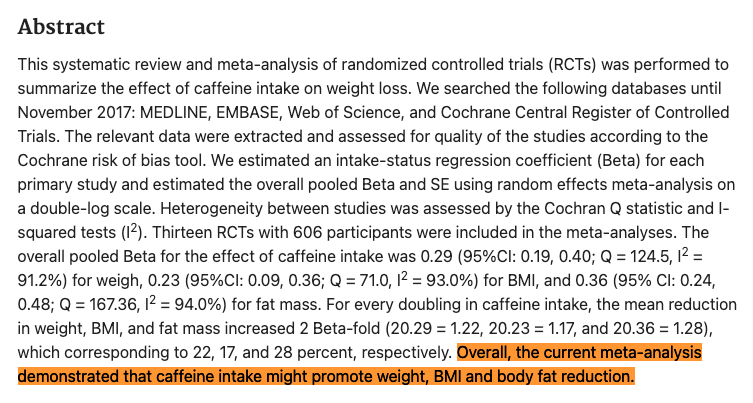
So, if you drink coffee or caffeine already each day, it’s unlikely that using more caffeine will help you lose weight.
But, if you don’t use caffeine on a daily basis, it may be worth a small trial to see if it works for you.
You do need to be careful with caffeine, however, because it can impact your sleep and may lead to insomnia in some people.
If you take it and it impacts your sleep negatively, then you may be shooting yourself in the foot as lack of sleep is a potential cause of weight gain.
If you decide to give caffeine a trial, make sure you use no more than 50-100mg per day (at the most).
Doses higher than this will result in diminishing returns and will not help.
You can also combine caffeine in pre-exercise supplements to enhance the effectiveness of your workout.
Be careful with this as well, though, because you don’t want to put extra stress on your body unnecessarily.
Remember:
Stress increases cortisol, and cortisol may lead to weight gain.
This is especially true for Hashimoto’s patients whose adrenal function is often already compromised. If your body is already struggling to manage cortisol, adding caffeine on top of that can backfire. Proceed with caution here.
I won’t put any specific recommendations for caffeine here because there are plenty, just be sure to use it wisely if you are going to use it at all!
My personal recommendation would be to stay away from caffeine for weight loss as there are other better options available.
Choosing Weight Loss Supplements With Hashimoto’s
If you’ve been struggling to lose weight and you feel like you need a little extra help then you can check out my weight loss guide, which is included in my weight loss supplement bundle.
One last thought…
Do your best to avoid gimmicky or over-hyped therapies that sound too good to be true (because they most likely are).
Instead, focus on the fundamentals that you know will work long-term.
Things like altering your diet to the point that you can maintain a healthy lifestyle, consistent exercise routines that you can keep up with, and supplements that target the problems you are facing.
And if Hashimoto’s is what’s behind your weight gain, those problems look different than the average person’s.
You aren’t just dealing with a slow metabolism.
You’re dealing with autoimmune inflammation, gut dysfunction, and hormonal imbalance all at once.
But these supplements can help you get back on track and lose that stubborn weight.
By the way, if you’re struggling to lose weight and want to take it up a notch, check out my thyroid weight loss formula.
It was created after helping thousands of thyroid patients lose weight, and it fills in the gaps that we weren’t able to discuss here.
Scientific References
1. Leidy HJ, et al. (2015). The role of protein in weight loss and maintenance. The American journal of clinical nutrition. doi:10.3945/ajcn.114.084038.
2. Pasiakos SM, et al. (2015). The effects of protein supplements on muscle mass, strength, and aerobic and anaerobic power in healthy adults: a systematic review. Sports medicine (Auckland, N.Z.). doi:10.1007/s40279-014-0242-2.
3. Paddon-Jones D, et al. (2008). Protein, weight management, and satiety. The American journal of clinical nutrition. doi:10.1093/ajcn/87.5.1558S.
4. Phillips SM, et al. (2011). Dietary protein for athletes: from requirements to optimum adaptation. Journal of sports sciences. doi:10.1080/02640414.2011.619204.
5. Zdzieblik D, et al. (2015). Collagen peptide supplementation in combination with resistance training improves body composition and increases muscle strength in elderly sarcopenic men: a randomised controlled trial. The British journal of nutrition. doi:10.1017/S0007114515002810.
6. Yin J, et al. (2008). Efficacy of berberine in patients with type 2 diabetes mellitus. Metabolism: clinical and experimental. doi:10.1016/j.metabol.2008.01.013.
7. Ellulu MS, et al. (2015). Role of fish oil in human health and possible mechanism to reduce the inflammation. Inflammopharmacology. doi:10.1007/s10787-015-0228-1.
8. Browning LM, et al. (2007). The impact of long chain n-3 polyunsaturated fatty acid supplementation on inflammation, insulin sensitivity and CVD risk in a group of overweight women with an inflammatory phenotype. Diabetes, obesity & metabolism. doi:10.1111/j.1463-1326.2006.00576.x.
9. Keithley J, et al. (2005). Glucomannan and obesity: a critical review. Alternative therapies in health and medicine.
10. Kadooka Y, et al. (2010). Regulation of abdominal adiposity by probiotics (Lactobacillus gasseri SBT2055) in adults with obese tendencies in a randomized controlled trial. European journal of clinical nutrition. doi:10.1038/ejcn.2010.19.
11. Hursel R, et al. (2013). Catechin- and caffeine-rich teas for control of body weight in humans. The American journal of clinical nutrition. doi:10.3945/ajcn.113.058396.
12. Astrup A, et al. (2015). The role of higher protein diets in weight control and obesity-related comorbidities. International journal of obesity (2005). doi:10.1038/ijo.2014.216.
13. Frestedt JL, et al. (2008). A whey-protein supplement increases fat loss and spares lean muscle in obese subjects: a randomized human clinical study. Nutrition & metabolism. doi:10.1186/1743-7075-5-8.
14. Wang H, et al. (2018). Metformin and berberine, two versatile drugs in treatment of common metabolic diseases. Oncotarget. doi:10.18632/oncotarget.20807.
15. Bays HE, et al. (2008). Is adiposopathy (sick fat) an endocrine disease?. International journal of clinical practice. doi:10.1111/j.1742-1241.2008.01848.x.
16. Noreen EE, et al. (2010). Effects of supplemental fish oil on resting metabolic rate, body composition, and salivary cortisol in healthy adults. Journal of the International Society of Sports Nutrition. doi:10.1186/1550-2783-7-31.
17. Zalewski BM, et al. (2015). The effect of glucomannan on body weight in overweight or obese children and adults: a systematic review of randomized controlled trials. Nutrition (Burbank, Los Angeles County, Calif.). doi:10.1016/j.nut.2014.09.004.
18. Kobyliak N, et al. (2016). Probiotics in prevention and treatment of obesity: a critical view. Nutrition & metabolism. doi:10.1186/s12986-016-0067-0.
19. Westerterp-Plantenga MS, et al. (2005). Body weight loss and weight maintenance in relation to habitual caffeine intake and green tea supplementation. Obesity research. doi:10.1038/oby.2005.142.