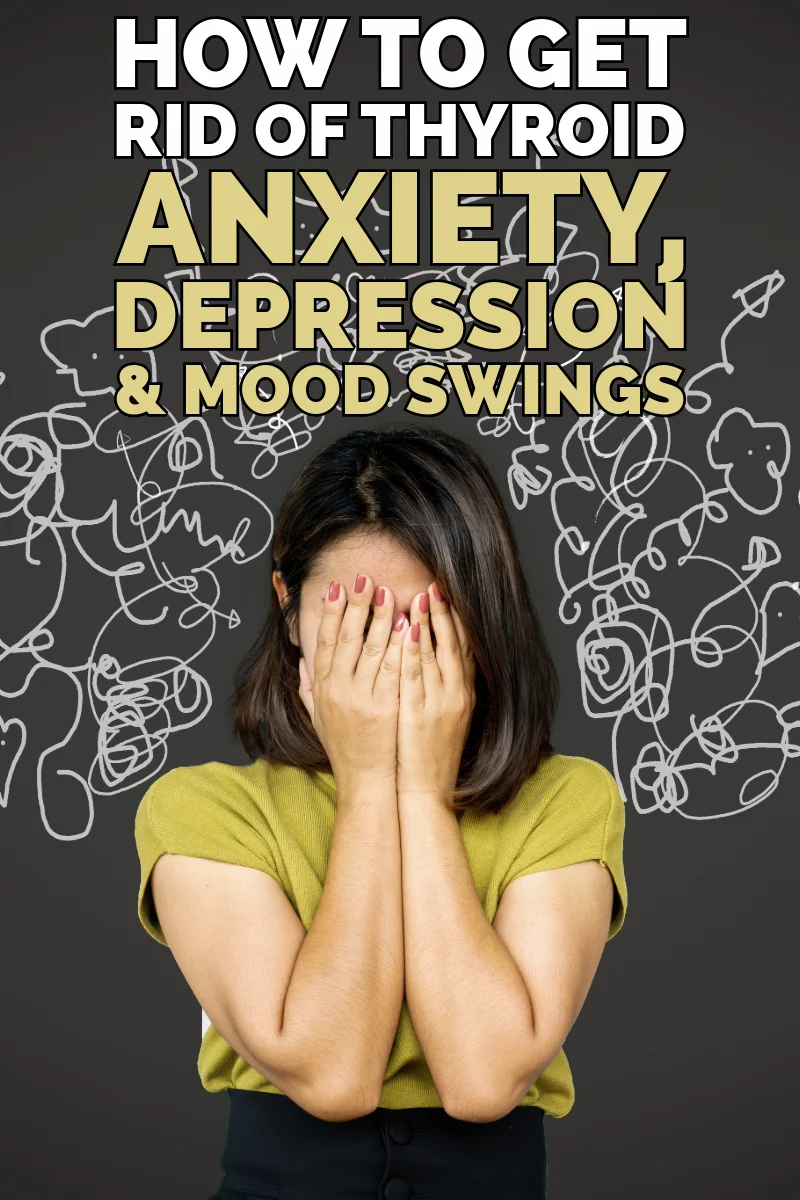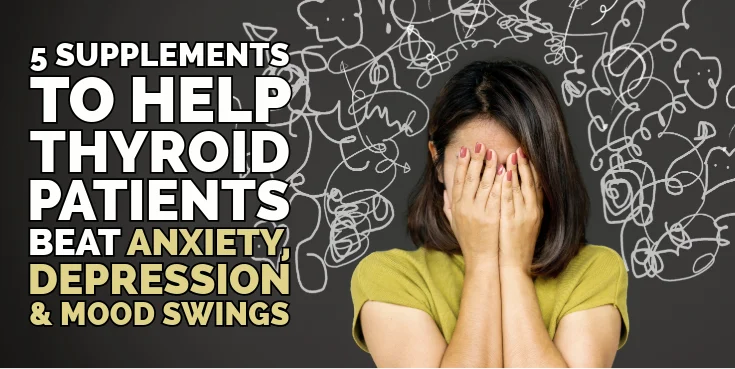


- Up to 60% of thyroid patients struggle with mood swings, anxiety, and depression, but targeted supplements can help bring balance to your brain and thyroid at the same time.
- Creatine is one of the most overlooked supplements for thyroid patients because it provides immediate energy to your brain, reducing mental fatigue, brain fog, and depression.
- Magnesium is the calming mineral that 75% of adults are deficient in, and taking it before bed can lower cortisol, control anxiety, improve sleep quality, and give your thyroid a slight boost.
- Myo-inositol influences serotonin, GABA, and melatonin while also helping your cells respond properly to TSH, making it a dual-purpose supplement for both mood and thyroid function.
- Vitamin D deficiency affects 70-90% of thyroid patients and is linked to depression, brain fog, and autoimmune disease, so taking 2,000 to 5,000 IU daily is a smart preventative step.
Mood swings, anxiety, and depression… up to 60% of thyroid patients will struggle with these problems.
But they don’t have to. Why?
Because there are natural treatments and supplements that can help bring balance to your brain and thyroid at the same time.
Here are 5 science-backed supplements to take for better thyroid brain health:
#1. Creatine
Your brain is an energy hog, accounting for roughly 20% of the body’s total energy usage [1]!
And when you have a sluggish thyroid, that processing power slows way down.
One simple solution to this problem is a supplement that hardly any thyroid patients know about:
Creatine.
Why?
Because creatine provides your brain and body with an immediate source of energy, which means:
- Less mental fatigue
- Less depression [1]
- Less brain fog
- And a healthier brain
You might think of creatine as purely a bodybuilding supplement for more muscle mass, but it’s so much more than that.
I’ve looked at hundreds (even thousands) of supplement routines from thyroid patients, and this is the one that is always missing.
Add 5 grams of creatine monohydrate to your daily regimen, and you’ll see benefits to brain health, mood, muscle-building capacity, and energy.
Here is my recommended creatine product for thyroid patients.
#2. Magnesium
Feeling nervous, jittery, or anxious? Try magnesium.
It’s called the calming mineral for a reason.
Magnesium improves your stress response, controls neurotransmitters like GABA, and lowers cortisol.
The result? You’ll be more zen and less frazzled. You’ll also enjoy a slight boost to thyroid function through its impact on iodine uptake.
It also happens to be the case that a staggering 75% of adults don’t get enough magnesium from their diet [2].
Meaning:
This is a perfect opportunity for you to take magnesium and feel the difference.
When it comes to magnesium, you have choices.
But what form you use matters, because each one is a little different.
Here’s what I recommend:
- 100-200 mg of sucrosomial magnesium (best for thyroid + sleep)
- 300 mg of magnesium glycinate (best for thyroid + general mood)
- 2,000 mg of magnesium threonate (best for thyroid + depression)
For best results, take your magnesium about 20-30 minutes before bed.
This will help your body and brain relax, putting you to sleep faster.
You can get a triple blend of magnesium designed specifically for thyroid patients here.
#3. L-Theanine
Found in green tea, L-theanine promotes relaxation WITHOUT causing drowsiness [3].
Perfect for thyroid patients who feel wired but tired and unable to sleep.
Using it before bedtime is best to help promote a more restful sleep and help you hit that coveted 5-6 hours of NREM sleep that you need for optimal thyroid function and brain health.
Getting better sleep is more than just logging more hours in your bed while you toss and turn.
Instead of focusing on sleep duration (quantity), focus on sleep quality.
Getting 6 hours of intensely refreshing sleep is far more effective than lying in bed for 8 hours (especially since a lot of that sleep will be in stage 1 and stage 2).
L-theanine can help you sleep more effectively, making it a go-to for thyroid patients with insomnia.
Take 100-400 mg of L-theanine 30-40 minutes before “bedtime” to shut off anxiety and increase alpha waves.
#4. Myo-inositol
If you struggle with thyroid-related depression and anxiety, myo-inositol is for you.
This sugar-like compound influences serotonin, GABA, and melatonin, making it beneficial for calming down the mind and boosting the mood.
But its benefits don’t stop there.
By impacting intracellular messengers, it helps your cells respond properly to TSH [4].
This means better thyroid function.
And research shows that daily use of myo-inositol can help reduce TSH, improve T4 and T3 levels, reduce thyroid antibodies, and reduce depression.
The ideal dose for both thyroid and mood is 600 mg daily.
This myo-inositol supplement is designed to boost your thyroid and improve your mood.
#5. Vitamin D
Vitamin D is more of a hormone than a vitamin, and low levels have been linked to depression, brain fog, and autoimmune disease [5].
It’s important for everyone, but especially thyroid patients.
Why?
Because research shows that 70-90% of them are deficient.
But here’s the issue with vitamin D supplementation:
You’re probably not going to experience huge immediate benefits when you take it.
Its beneficial effects tend to stack up over time and with consistent use.
Think of it as more of a preventative type of treatment that will keep everything working as intended, as opposed to a specific therapeutic agent.
If you do this, you won’t be disappointed.
Because vitamin D deficiency is so common, it’s safe to assume you are low and take 2,000 to 5,000 IU of vitamin D3 daily.
But, eventually, make sure you get in to check your 25-hydroxy vitamin D levels so you know where you stand.
Some thyroid patients need doses as high as 10,000 IU per day (or more) to get optimized.
And factors like your weight, magnesium status, and diet can all impact how much you need.
Fix Your Thyroid & Your Mood
Your thyroid gland affects every cell in your body, including your brain.
If it’s out of balance, you better believe it will change your mood, your energy, and your focus.
This is the reason so many thyroid patients say things like “I just don’t feel like myself anymore”.
It’s not that you’ve changed; it’s that your thyroid has changed you.
But you can take back control with the right treatments.
I’d recommend starting with these supplements, but don’t forget about other simple changes like :
- Getting enough sunlight each day
- Improving your sleep routine
- Eating thyroid-boosting whole foods
- Zone-2 exercise
Combine all of these, and you will start feeling like your old self in no time.
Find my recommended products for each below, and bookmark this in case you need it in the future:
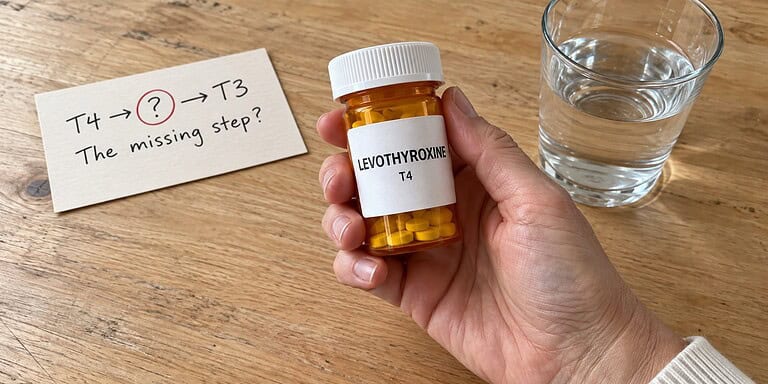
By the way, if you’re still having trouble getting your mood under control, give T3 a shot.
I’ve had great success in helping thyroid patients recover from treatment resistant depression, anxiety, and bipolar disorder using it (not to mention its other benefits on energy and weight loss).
You can learn more about how to use that thyroid hormone here.
Scientific References
1. Donald D Clarke, et al. (1999). Regulation of Cerebral Metabolic Rate.
2. Wang K, et al. (2018). Severely low serum magnesium is associated with increased risks of positive anti-thyroglobulin antibody and hypothyroidism: A cross-sectional study. Scientific reports. doi:10.1038/s41598-018-28362-5.
3. Hidese S, et al. (2019). Effects of L-Theanine Administration on Stress-Related Symptoms and Cognitive Functions in Healthy Adults: A Randomized Controlled Trial. Nutrients. doi:10.3390/nu11102362.
4. Benvenga S, et al. (2021). The Role of Inositol in Thyroid Physiology and in Subclinical Hypothyroidism Management. Frontiers in endocrinology. doi:10.3389/fendo.2021.662582.
5. Lebiedziński F, et al. (2023). Impact of Vitamin D on Immunopathology of Hashimoto’s Thyroiditis: From Theory to Practice. Nutrients. doi:10.3390/nu15143174.