- There is no single perfect thyroid diet. Your ideal approach depends on your specific condition (Hashimoto's vs. hypothyroidism), your genetics, your hormone levels, and how your body personally responds to different foods.
- What you eat directly impacts your thyroid hormone levels. Specific foods can increase your T3, lower your thyroid antibodies, and improve your medication absorption, while others (like sugar-sweetened beverages and trans fats) actively work against your thyroid.
- The eat less and exercise more approach has a 98% failure rate, and yo-yo dieting can lower your metabolism by up to 20% for years. Focus on food quality, 100 grams of protein daily, and intermittent fasting instead of calorie restriction.
- Your gut bacteria change within 24 hours of a dietary shift and directly influence thyroid hormone conversion, inflammation, and weight. Eating naturally fermented foods and avoiding factory-processed foods supports this connection.
- Foods and drinks like coffee, calcium-rich foods, and high-fiber meals can interfere with your thyroid medication absorption, so timing matters just as much as what you eat.
Are you tired of getting conflicting advice about what to eat for your thyroid?
You are not alone.
The confusion that exists in the nutrition world only serves those people who stand to make money from it. Influencers and marketers are incentivized to make things seem more complicated than they really are, because then they can sell you the solution.
And if you have a thyroid condition, it’s even more confusing. Your doctor tells you that diet doesn’t matter, and the internet tells you to go carnivore. Both seem like they know what they are talking about, but you’re still left wondering who is right.
Sound familiar? Today, we are cutting through all of it.
These 34 thyroid nutrition facts are things every patient should understand. Some will confirm what you already know. Some will challenge what you’ve been told. But all of them are grounded in research and relevant to your thyroid.
Let’s jump in:
1. No Single Diet Works for Everyone
Thyroid patients are a perfect example of why this is true.
If you have Hashimoto’s, your nutritional needs look different than someone who just has regular old hypothyroidism.
Not only will your thyroid condition change the types of foods that you should eat, but your genetics will as well!
Your hormones, which are primarily due to your genetics, change how you respond to certain foods.
Some thyroid patients need more carbohydrates to keep their T3 levels from dropping, while some need to be more restrictive on carbs because they are more sensitive to them.
Others benefit from a strict anti-inflammatory diet because of their sky-high antibodies.
It can be confusing, but here’s the reality:
There is no single thyroid diet.
What exists is the best diet for you, based on your specific hormone picture, your autoimmune status, and how your body actually responds.
Stop chasing the one perfect plan and start paying attention to how you personally feel and function.
That said, you can follow some basic guidelines as a starting point:
- Eat real whole foods ALWAYS
- Try to eat vegetables with every meal or at least 1/2 a pound per day total
- Eat the rainbow (in other words, add variety to your diet)
- Eat organic and grass-fed if/when possible
- Avoid refined carbohydrates, sugars, and zero-calorie sweeteners (non-negotiable)
- Cook only with extra virgin olive oil and grass-fed butter (avoid all other fats)
Use these guidelines as a place to start, and from there, refine your diet based on your personal preferences and how your body responds.
2. Your Diet Shapes Your Gut Microbiome

If you haven’t heard about the microbiome, let Dr. Jill Carnahan (expert in functional medicine and digestive diseases) fill you in:
“Research now shows that a dramatic alteration in diet such as eliminating sugar and refined carbohydrates can alter the microbiome in as little as 24 hours! We also know that the microbiome talks to the immune system and regulates cytokine production, which can cause inflammation and increase intestinal permeability. This is why the number one intervention I recommend for patients with autoimmune disease and leaky gut is change in diet to foster a healthy microbiome.”
Dr. Jill Carnahan
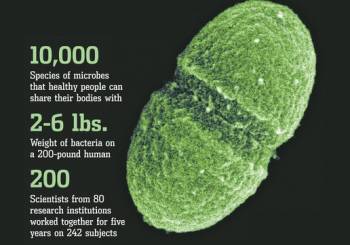
Your body contains around 100 trillion bacteria, which outnumber your human cells 10 to 1.
Research has found that the type of bacteria in your gut changes based on what you eat, your stress levels, and how you exercise.[1] Certain species of bacteria can even help you lose weight and reduce inflammation.[2]
For thyroid patients, this matters in a specific and important way. Up to 20% of your T4-to-T3 conversion happens in your gut through an enzyme called intestinal sulfatase.[3]
If your gut microbiome is out of balance, this conversion breaks down.
You can have completely normal thyroid labs and still feel hypothyroid because your body is not properly activating the thyroid hormone it is producing.
Conditions like SIBO (small intestinal bacterial overgrowth) and chronic gut inflammation can significantly suppress T3 levels.[4] When harmful bacteria dominate the gut, the environment needed for healthy thyroid hormone conversion simply is not there. This is one of the most overlooked reasons thyroid patients continue to feel bad despite being on medication.
Remember that every time you eat, you are not only feeding your body, but you are also feeding the bacteria in your gut.
They thrive on prebiotic foods high in fiber. A probiotic designed specifically for thyroid patients can help restore the bacterial populations responsible for T3 conversion. Take care of your microbiome and it will support your thyroid in ways most people never consider.
3. Track Body Composition Alongside Weight
Measuring your body weight is a notoriously inaccurate way to track fat loss, and this is especially true for thyroid patients.
Hypothyroidism causes water retention, slows gut motility (which means backed-up stool can add several apparent pounds to the scale), and contributes to muscle loss because low T3 impairs the body’s ability to maintain lean tissue. You could be making real progress while the scale stays exactly the same.
Once you start losing fat mass from exercise and dietary changes, your body may compensate by building muscle. This often results in no net change on the scale even though you are losing fat and gaining lean tissue, which is exactly what you want.
A better way to track progress is body fat percentage. You can get a fairly accurate reading with scales that have built-in bioelectrical impedance analysis. If you don’t want to spend money on a scale, measuring your waist in inches and tracking how your clothes fit is far more informative than daily weigh-ins.
For thyroid patients, the scale lies. Body fat percentage and measurements will tell you the real story, so start checking them.
4. Choose Healthy Fats and Oils

Not all fats are equal, and for thyroid patients, the distinction matters significantly. Extra virgin olive oil is anti-inflammatory and supports the reduction of the chronic low-grade inflammation that underlies Hashimoto’s flares. It contains oleocanthal, a compound with anti-inflammatory properties similar to ibuprofen, and it supports a healthy gut microbiome.
Seed oils are the opposite. Canola, soybean, vegetable, sunflower, and corn oils are high in omega-6 fatty acids and are heavily refined through industrial processing.
They are pro-inflammatory and need to be avoided if you have a thyroid problem!
Cooking with seed oils means you are adding inflammation to your body with every single meal.
The way to avoid this problem is simple:
Cook ONLY with extra virgin olive oil and grass-fed butter, and do NOT eat out. Cooking oils and fast food are the #1 place where you’ll find these oils.
If you just avoid them, you’ll almost automatically remove these unhealthy oils from your diet.
5. Your Diet Can Influence Cholesterol
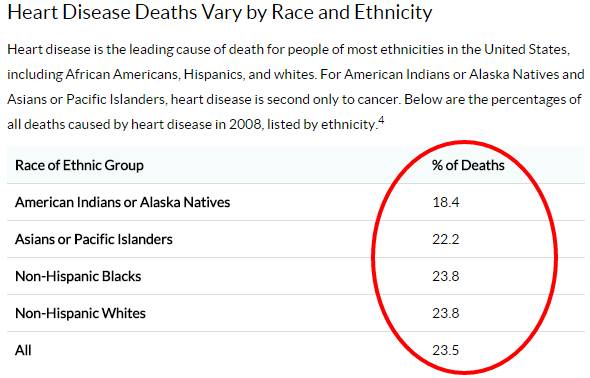
Contrary to popular belief, high cholesterol is not always something that requires a medication.
For thyroid patients, there is something important to understand first: h
Hypothyroidism is one of the most common and most overlooked reversible causes of elevated LDL cholesterol.
Low T3 slows the liver’s ability to process and clear LDL from the blood. So when your thyroid can’t do its job, your cholesterol will start to rise.
This means that before any thyroid patient starts a statin, they should ask themselves whether or not the real issue is their thyroid or something else.
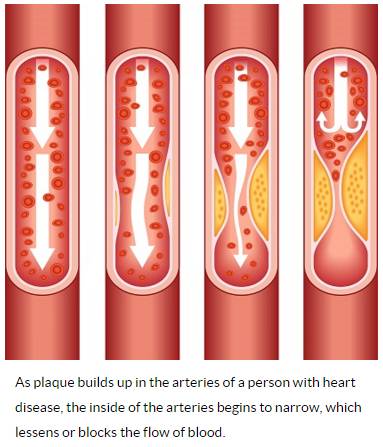
You can eat your way to better thyroid function, which means you can eat your way to lower cholesterol levels.
Putting more anti-inflammatory foods into your diet will help increase your T3, which may help drive down your cholesterol in the process.
It is also worth knowing that research suggests the actual number of LDL cholesterol-carrying particles[5] is a better predictor of heart disease risk than total cholesterol.
The NMR lipoprofile test measures this, and it is worth asking your doctor about if you are concerned about your cardiovascular risk.
6. Gluten-Free Eating May Help Some Thyroid Patients
Gliadin, the protein found in gluten, has a molecular structure that closely resembles thyroid tissue.
In other words, eating gluten may trick your immune system and body into attacking your thyroid gland.
We have a name for this process in medicine: it’s called molecular mimicry.
Multiple studies have shown that a gluten-free diet may help reduce TPO antibody levels in Hashimoto’s patients over time.[6]
This isn’t a guarantee, and not every patient responds in the same way, but for most, removing gluten is usually helpful.
It is particularly worth trying if you have Hashimoto’s and any digestive symptoms.
One important clarification: going gluten-free does not mean buying every gluten-free packaged product at the store. That is just swapping one kind of processed food for another. True gluten-free eating means replacing grain-based products with real whole foods like vegetables, rice, and quality proteins.
7. Exercise Does Not Replace a Healthy Diet

No matter how much you exercise, you simply cannot out-exercise a bad diet.
Just look at the numbers: if you consume a 20-ounce soda, you would have to walk four and a half miles to burn it off.
Calories aside, this example doesn’t even account for the impact that sugar has on insulin levels and how that cascades through other hormones, including testosterone, estrogen, and thyroid hormone.
For thyroid patients, this is even more critical. Overexercising on a poor diet spikes cortisol.
Chronically elevated cortisol suppresses TSH production and reduces the conversion of T4 to T3. Many thyroid patients are unintentionally making their symptoms worse by training hard while eating a diet that is really just causing more inflammation.
More exercise on top of a bad diet is not the answer.
There is no substitution for eating clean.
Exercise matters, and it’s always important, but it cannot compensate for a diet that is making your thyroid worse.
If you want to stay lean and manage your symptoms, the diet has to come first.
8. Body Fat Distribution Can Reflect Hormone Changes
Where your body chooses to store fat can tell you a lot about your hormones.
Fat stored around the belly points to elevated cortisol and insulin resistance.
Fat stored in the hips and thighs points toward issues with estrogen and progesterone.
Fat that is evenly distributed throughout the body may indicate a thyroid problem.
And it is not just about where fat accumulates, but how quickly and easily it happens.
Thyroid patients commonly notice that weight goes on fast and comes off slowly, even when doing everything right.
This pattern is a hallmark of a thyroid problem.
Pay attention to how and where your body stores fat; it will tell you a lot.
9. Check Food Labels for Added Sugar
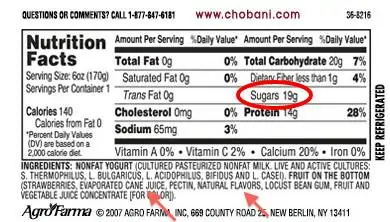
Most people spend their time looking at calorie content when they are determining whether or not they should eat something.
Thyroid patients should do two things instead:
First, look at the added sugars.
And second, look at the ingredients for real whole foods.
You’ll find the “added sugars” underneath the total carbohydrate section. These added sugars almost always represent additional sugar which was added for flavor.
Don’t pay too much attention to the carbohydrates section, that’s less important than the added sugar part.
As a general rule, aim for no more than 25 grams of added sugars per day, which is the WHO recommendation.
For thyroid patients, this little section matters a lot.
High blood sugar spikes suppress thyroid function and contribute to the inflammation that worsens Hashimoto’s. Insulin resistance is extremely common in hypothyroid patients, and consistently high added sugar intake is one of the primary reasons it develops.
10. Your Diet Affects Sex Hormones
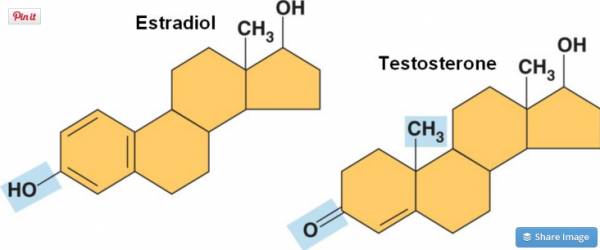
Ever wonder why so many women are dealing with PCOS, infertility, and estrogen dominance? Look no further than insulin resistance and high sugar diets.
Diets high in sugar and refined carbohydrates increase insulin levels, which directly affect estrogen and progesterone. These changes result in either an absolute or relative excess of estrogen compared to progesterone. Diet also impacts men by decreasing testosterone, which is a big part of why low T clinics have become so common.
For thyroid patients, this connection is especially important. When estrogen levels are too high relative to progesterone, the liver produces more thyroid-binding globulin (TBG). TBG binds to free T4 and T3 in the blood and makes them unavailable to your cells. This means you can have normal total thyroid hormone levels on your labs and still feel completely hypothyroid because elevated estrogen is blocking delivery.
A diet that supports healthy estrogen balance, including cooked cruciferous vegetables, reduced alcohol intake, and limiting processed dairy, directly affects how much thyroid hormone your body can actually use. If you are dealing with estrogen dominance or related issues, you can find more information in this post.
11. You Do Not Need to Eat Every Three Hours
For some reason, many people believe that eating every 2 to 3 hours is necessary to keep their metabolism running and help them lose weight.
Despite the fact that studies[7] have shown this isn’t the case, it doesn’t even make sense from a practical sense. Who has the time to constantly eat all day?
For thyroid patients, constant eating can cause issues with insulin, which has downstream effects on thyroid function and cortisol levels (and not in the way that you’d want).
Focus on eating high-quality meals when your body is hungry, not when a clock says you should.
12. Food and Drinks Can Affect Thyroid Medication
Several common foods and drinks can significantly reduce how much of your medication your body actually absorbs.
Coffee is one of the biggest offenders. Studies show that drinking coffee within an hour of taking your thyroid medication can significantly reduce how much is absorbed.[8]
The same is true for milk, calcium supplements, high-fiber foods, iron supplements, and certain antacids.[9]
Many patients who feel undertreated despite being on what their doctor considers the right dose are simply not absorbing their medication properly because of what they consume alongside it.
The fix is straightforward: take your thyroid medication first thing in the morning on an empty stomach and wait at least 30 to 60 minutes before having coffee, milk, or anything else.
Most doctors never mention this. It is one of the simplest changes a thyroid patient can make and one of the most impactful.
13. Seek Thyroid-Specific Nutrition Guidance
I hate to say it, but many doctors are behind the times when it comes to nutrition, and when it comes to thyroid nutrition specifically, the gap is even larger.
It turns out that doctors only get about 19 hours of nutrition education[10] during their entire training. Almost none of it covers thyroid-specific dietary interventions. So when your endocrinologist or primary care doctor tells you that diet doesn’t matter for your thyroid, that advice reflects their medical education, not the current research.
The evidence for dietary intervention in hypothyroidism and Hashimoto’s is substantial and growing. Research on gluten-free diets, selenium intake, anti-inflammatory eating patterns, and gut health all point to meaningful connections between diet and thyroid function that most conventional physicians simply were not trained to recognize.
It is also worth noting that the average doctor is practicing medicine 17 years behind the current scientific literature[12]. That gap matters. Not every doctor is behind the times, but in the meantime, it is worth seeking dietary guidance from practitioners who are up to date on the current science. And up to 40% of annual deaths from the five leading causes in the US are preventable[11], which means food is far and away the most powerful tool most people are not using.
14. Whole Eggs Can Fit Into a Healthy Diet
Eggs are not tiny cholesterol bombs that are going to clog your arteries.
Yes, they contain cholesterol, but eating eggs does not increase your cardiovascular risk in the way many people assume. Research[13] has shown that eating eggs actually increases the proportion of large buoyant LDL particles, which is the pattern associated with lower cardiovascular risk, not higher. Eggs also contain antioxidants, lutein, and zeaxanthin that help protect against age-related eye disease.
For thyroid patients specifically, egg yolks deserve special attention. They are one of the best dietary sources of iodine, which is one of the two main building blocks of thyroid hormone. The other is tyrosine. Egg yolks also contain selenium, which is a critical cofactor for the conversion of T4 into active T3.
Throwing out the yolk and eating only egg whites means throwing away most of the nutrition your thyroid actually needs. Next time you are at the store, opt for cage-free whole eggs and eat the entire egg.
15. Focus on Whole Foods at the Grocery Store
If you want to eat healthy, the safest place in the grocery store is the outside perimeter. Grocery stores are laid out so that the real, whole food is on the perimeter and the processed, packaged food is in the middle aisles.
The perimeter is where you find produce, meat, fish, eggs, and dairy. These are whole foods your body recognizes and can use. The middle aisles are where the processed, packaged, pro-inflammatory products live, and for thyroid patients trying to reduce autoimmune triggers and support thyroid function, those aisles are largely off limits.
When you shop, practice what I call the eyeball test: you should be able to look at a food and tell immediately whether it is real or not. If it is in a package with a long ingredient list, it probably should not be in your cart. Building your diet around the perimeter and choosing real whole food is one of the simplest strategies you can follow, and it does not require memorizing a list of rules.
16. Fruit Juice and Thyroid Nutrition
The old advice that fruit juice is no better than soda is not the complete picture when it comes to thyroid patients.
100% fruit juice with no added sugar is rich in polyphenols, which are plant compounds with anti-inflammatory and antioxidant properties that benefit thyroid health. Research also shows that the thyroid requires adequate carbohydrate intake to maintain healthy T3 levels.[14] Very low-carb diets can suppress T3 production as the body adapts to limited glucose availability.[15] A small amount of 100% fruit juice can be a practical way to support both carbohydrate intake and antioxidant load.
Orange juice and pomegranate juice are two of the best options for thyroid patients. The recommended amount is around 2 ounces per day. The key requirement is that it must be 100% juice with no added sugar. Anything less than that and you are just consuming a sugar-sweetened beverage. Check the label carefully.
17. Limit Sugar-Sweetened Drinks
Added sugar in liquid form is one of the worst things you can put in your body.
Sugar-sweetened beverages cause hormonal disruption, elevate insulin levels, and significantly increase the risk of type 2 diabetes.[16] One of the major problems with drinking your sugar is that your brain does not register liquid calories the way it registers solid food calories. Research shows[17] that your brain does not compensate by reducing how much you eat, so you just keep consuming more on top of what you have already had.
For thyroid patients already dealing with a slower metabolism, sugar-sweetened beverages are one of the fastest ways to make weight loss impossible. They create the exact metabolic conditions that make thyroid symptoms worse: elevated insulin, increased inflammation, and disrupted gut bacteria. Cutting out sugar-sweetened beverages may be the single most impactful dietary change you make this year.
18. Include Naturally Fermented Foods
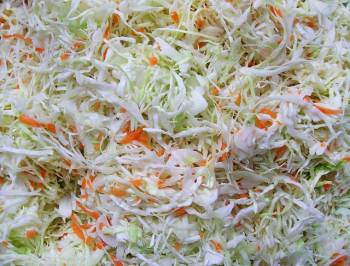
If you are not consuming naturally fermented foods, you are missing out on one of the most powerful health tools available.
From kefir to sauerkraut to kimchi, these foods are loaded with beneficial probiotics, prebiotics, and vitamins. Studies on kefir[18] show that this probiotic drink contains beneficial yeasts and bacteria that help lower inflammation, fight off harmful bacteria, lower blood pressure, and support immunity.
For thyroid patients, fermented foods are particularly valuable because of the gut-thyroid connection. Up to 20% of T4-to-T3 conversion happens in the gut through bacterial enzyme activity. Fermented foods nourish the specific microbiome populations responsible for this conversion. They also help reduce intestinal permeability, known as leaky gut, which is a recognized trigger for autoimmune thyroid disease.
If you are taking probiotic supplements, that is a good start, but naturally fermented foods provide far more diverse and numerous beneficial microorganisms. For patients with Hashimoto’s especially, adding fermented foods to your regular diet is one of the highest-leverage changes you can make.
19. Consider Your Daily Protein Intake

Thyroid patients commonly lose muscle mass because low T3 impairs the body’s ability to synthesize and maintain muscle protein. This muscle loss slows metabolism further and makes weight management even harder over time.
Eating adequate protein, around 100 grams per day, helps counteract this. It gives your body the raw materials it needs to maintain lean tissue, supports metabolism, and is one of the most effective tools for controlling appetite.
Thyroid problems also affect satiety hormones, particularly leptin. When leptin signaling is impaired, your brain does not receive the signal that you are full, which increases cravings and makes it much harder to stick to a clean diet. Getting adequate protein directly addresses this because protein has the strongest effect on satiety of all the macronutrients.
There is also a thyroid-specific reason to prioritize protein beyond muscle and satiety: tyrosine, the amino acid found in meat, eggs, fish, dairy, and legumes, is one of the two building blocks of thyroid hormone itself. A diet consistently low in quality protein is a diet that limits your thyroid’s ability to produce hormone. If whole food sources aren’t enough to reach 100 grams per day, a protein powder formulated for thyroid patients is a practical way to close the gap.
20. Pay Attention to Calories Without Obsessive Counting

Calories matter, but what your body does with those calories matters more. Hormones direct where calories go. When insulin levels are elevated, calories get shunted into fat cells. When cortisol is high, the same thing happens. Eating real whole foods that keep insulin low and hormones balanced is far more important than hitting a specific calorie target.
Also worth noting: eating higher amounts of protein[19] results in an automatic reduction in overall calorie consumption without consciously restricting yourself.
For thyroid patients, calorie awareness matters, but severe calorie restriction is counterproductive. When you dramatically cut calories, your body adapts by lowering T3 production as a conservation mechanism.[20] This is a well-documented response that makes your already-slow thyroid metabolism even slower. The goal is eating enough of the right foods to support your hormones, not starving yourself into a metabolic hole.
Stop obsessing over calorie counting and focus on eating real whole foods that support your thyroid and your hormones. The calories will take care of themselves.
21. Highly Processed Foods Can Be Hard to Limit

Ever get a craving in the middle of the night for chocolate or ice cream? You are not going crazy. You may have a genuine physiological addiction to certain foods.
The food industry has spent hundreds of millions of dollars researching what foods trigger your brain to keep snacking. The hyperpalatable combination of sugar, salt, and refined fat in processed foods activates the same dopamine receptors[21] in the brain that are activated by alcohol and drugs.
For thyroid patients, this cycle is harder to break than it is for the average person. Thyroid problems directly affect satiety hormones, particularly leptin and ghrelin. When these hormones are dysregulated, your brain craves calorie-dense, high-reward food more intensely and has a harder time registering fullness. This is not a willpower problem. It is a hormonal one.
Understanding it this way makes the right approach clear: the most effective strategy is to eliminate the food completely rather than trying to moderate something your biology is actively pushing you toward.
22. Limit Highly Processed Foods
Many people struggle to figure out what is actually healthy. Here is a simple rule that cuts through most of the confusion: if the food was made in a factory, don’t eat it.
Real food does not have an ingredient list. It comes from the ground, the ocean, or an animal. The more steps between the original source and your plate, the more opportunities there are for additives, seed oils, emulsifiers, synthetic flavors, and other compounds that your body does not recognize as food.
For thyroid patients, this matters beyond general health. Ultra-processed foods contain ingredients that fuel the gut inflammation that worsens Hashimoto’s. Every factory-made product you eat is adding to the inflammatory burden that your immune system has to deal with. Eat the food that exists in nature, not the food that was invented in a lab.
23. Avoid Trans Fats
If you have not already eliminated trans fat from your diet, now is the time.
Trans fat has been shown to significantly increase the risk of heart disease[22] in multiple studies. It damages cell membranes, disrupts hormone signaling, and causes systemic inflammation.
For thyroid patients, trans fats are especially damaging. The systemic inflammation they cause can elevate thyroid antibodies and worsen autoimmune activity in Hashimoto’s patients. Even in small amounts, regular trans fat consumption adds to the inflammatory load that makes managing thyroid disease harder.
Trans fats are largely banned in the United States, but they still appear in trace amounts in certain products. Foods to watch out for include canned frosting, packaged pie, frozen pizza, margarine, and coffee creamer. Check labels and avoid anything listing partially hydrogenated oils.
24. Treat Sugary Cereal as a Dessert
Do you know what the difference is between a bowl of sugar with milk or a bowl of cereal with milk?
From your body’s perspective, there is no meaningful difference.
Most breakfast cereals, including many marketed as whole grain or heart healthy, spike blood sugar rapidly and contribute to the insulin resistance pattern that is extremely common in hypothyroid patients. Starting your day with a blood sugar spike sets off a cortisol response, and chronically elevated cortisol suppresses TSH production and reduces T4-to-T3 conversion. Starting your morning this way means your thyroid is already working against you before the day has begun.
On top of that, many popular cereals are made from wheat and are a significant source of gluten, which is worth avoiding for anyone with Hashimoto’s.
It is hard to believe because cereal is so quick and convenient, but cutting it out may be one of the best decisions you make for your thyroid and your weight.
25. Fasting and Thyroid-Related Weight Loss
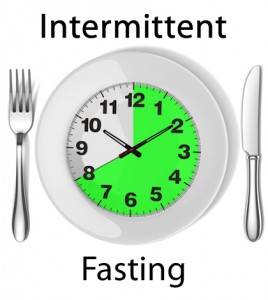
For thyroid patients, fasting can be one of the most effective tools for breaking through weight loss plateaus. It improves insulin sensitivity, reduces systemic inflammation, and helps reset some of the metabolic patterns that make weight loss so difficult in hypothyroidism.
Both intermittent fasting and longer fasting windows can work well for thyroid patients. The key is managing total fasting duration. Research shows that fasting periods exceeding 24 hours, done more frequently than once every 7 days, can suppress T3 production as the body adapts to an extended energy deficit.[23] Keeping fasts within that limit allows you to get the metabolic benefits without the hormonal cost.
A 16:8 approach, eating within an 8-hour window and fasting for 16 hours, is a sustainable starting point for most thyroid patients. A single 24-hour fast once per week is also well-tolerated. What you want to avoid is multi-day extended fasting or aggressive calorie restriction that pushes beyond what your thyroid can handle. Work within those parameters and fasting can be a genuinely useful tool in your weight management approach.
26. Protein and Fat Can Help You Feel Full
Not only does eating healthy fat not make you fat, but it also keeps you full for long periods of time. The same is true with protein.
Fat and protein trigger satiety hormones including CCK, PYY, and GLP-1 in ways that carbohydrates alone do not. When you build your meals around fat and protein, your body automatically reduces its appetite and your blood sugar stays stable.
For thyroid patients, this is particularly important because of leptin resistance. Leptin is the hormone responsible for signaling satiety to the brain, and leptin dysregulation is commonly associated with hypothyroidism. When leptin signaling is impaired, your brain does not receive the fullness signal properly, which increases cravings and makes appetite control much harder. Building meals around fat and protein helps compensate for this by activating alternative satiety pathways.
27. Healthy Eating on a Budget
This is a lie that the food industry wants you to believe.
The idea that eating well is only accessible to people with money is largely a myth created by health food marketing. Some of the most thyroid-supportive foods available are also among the least expensive. Eggs are loaded with iodine and selenium, two nutrients critical for thyroid function. Frozen vegetables cost very little and retain most of their nutritional value. Dried lentils, canned tuna, and sardines are affordable sources of protein and thyroid-critical minerals.
If you shop wisely and use resources like the EWG Good Food guide, you will find nutritious whole food for a very reasonable price. And do not forget: while fast food may seem cheaper in the short term, you will pay for it in medical costs decades down the road.
28. Use Spices to Support a Healthy Diet
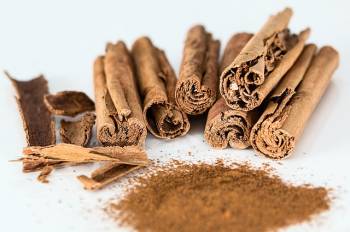
Not only is cooking for yourself one of the healthiest things you can do, you also get the added benefit of being able to add therapeutic amounts of spices to every meal.
Take turmeric. The active compound in turmeric, curcumin, has been shown to reduce inflammation, inhibit cancer cell growth, and help prevent diabetes. For patients with Hashimoto’s specifically, curcumin has been studied for its ability to modulate immune activity and reduce NF-kB inflammatory signaling[24], which is the same pathway involved in autoimmune thyroid flares.
Ginger and cinnamon are also powerful anti-inflammatory agents that belong in any thyroid patient’s kitchen. All three of these spices have meaningful research behind them and can be added to nearly any meal.
One of the biggest reasons to cook your own meals is that you control the spices. Restaurant food and processed food give you no ability to add therapeutic amounts of these compounds. When you cook at home, every meal becomes an opportunity to reduce inflammation. Make a habit of using turmeric, ginger, and cinnamon as often as possible.
29. Dark Chocolate Can Fit Into a Healthy Diet

High-cacao dark chocolate is loaded with antioxidants and polyphenols that can help reduce inflammation and support metabolic health.
For thyroid patients, the magnesium content is especially relevant. Magnesium plays a critical role in thyroid function. It is required for the conversion of T4 into active T3, and it supports iodine uptake into the thyroid gland.[25] Many thyroid patients are deficient in magnesium, and high-cacao dark chocolate is one of the few enjoyable dietary sources of this mineral.
To get the most benefit, choose 70% cacao or higher. And limit yourself to no more than 2 ounces per day. That is enough to provide real nutritional benefit without overloading on sugar. But still, it is chocolate, and it belongs in a healthy thyroid diet when chosen carefully.
30. The Limits of “Eat Less and Exercise More”
Even if you haven’t read the study[26], you probably know from personal experience that the eat less and exercise more approach just does not work.
For the general population, this advice fails the vast majority of the time. For thyroid patients, it fails at an even higher rate because the underlying problem is hormonal, not behavioral. A slow metabolism from hypothyroidism, leptin resistance, cortisol imbalance, and insulin resistance cannot be fixed by eating less and moving more. Those interventions are treating the symptom while ignoring the cause.
If you want to address weight loss as a thyroid patient, you need to focus on real whole foods that support hormone balance, improve insulin sensitivity, reduce inflammation, and support optimal T4-to-T3 conversion. Treating the root cause is the only thing that actually changes the equation.
31. Yo-Yo Dieting and Metabolic Adaptation
Not only does chronic calorie restriction fail to produce lasting weight loss, it can significantly damage your metabolism.
Research on contestants from The Biggest Loser showed that metabolic adaptation from dramatic weight loss persisted for years after the show ended.[27] Their metabolisms had slowed substantially and did not recover fully, even when they regained the weight.
For thyroid patients, this is doubly dangerous. Crash dieting suppresses T3 as the body adapts to an energy deficit, and the resulting metabolic slowdown compounds with an already-underactive thyroid. Each crash diet cycle leaves you with a slower metabolism than before. This is why thyroid patients who have a history of yo-yo dieting often feel like nothing works anymore. Sustainable, thyroid-supportive eating is the only approach that does not make the problem progressively worse.
32. Raw Cruciferous Vegetables and Thyroid Function
Broccoli, kale, Brussels sprouts, cauliflower, and bok choy all contain compounds called goitrogens. Goitrogens interfere with the thyroid’s ability to take up and use iodine, which is one of the two essential building blocks of thyroid hormone. In large amounts and in raw form, these foods can meaningfully reduce thyroid hormone production.
The good news is that cooking deactivates most of the goitrogenic compounds.[28] Steaming, roasting, or sauteing cruciferous vegetables significantly reduces their goitrogen content while preserving most of their nutritional benefits. For most thyroid patients, cooked cruciferous vegetables are completely fine and are actually beneficial as part of an anti-inflammatory diet.
If you prefer to eat them raw, you can, but it needs to be compensated for by ensuring your iodine intake is adequate. A small raw salad a few times a week is very different from a large raw kale smoothie every single day. Thyroid patients who are already iodine-deficient should be especially cautious about large amounts of raw goitrogenic foods.
33. Anti-Inflammatory Foods and Thyroid Antibodies
If you have Hashimoto’s, your immune system is actively attacking your thyroid gland. The markers of this attack are TPO (thyroid peroxidase) and thyroglobulin antibodies. Most doctors will tell you that elevated antibodies are simply something you live with. The research says otherwise.
Dietary interventions have been shown to measurably reduce thyroid antibody levels over time. Removing gluten, increasing selenium-rich foods like Brazil nuts and eggs, adding omega-3 fatty acids from fatty fish, and reducing refined sugar all have research supporting their ability to lower antibody activity.[29] Anti-inflammatory eating directly reduces the immune activity that is attacking your thyroid tissue.
No medication is approved to reduce thyroid antibodies, and most standard thyroid medications do not address the autoimmune component at all. You can find additional strategies in this guide to natural remedies for Hashimoto’s thyroiditis. Diet is one of the few tools available that can actually move these numbers in the right direction. If you have Hashimoto’s and you are not addressing your diet, you are leaving one of your most powerful interventions on the table.
34. Foods That Support T3 Production
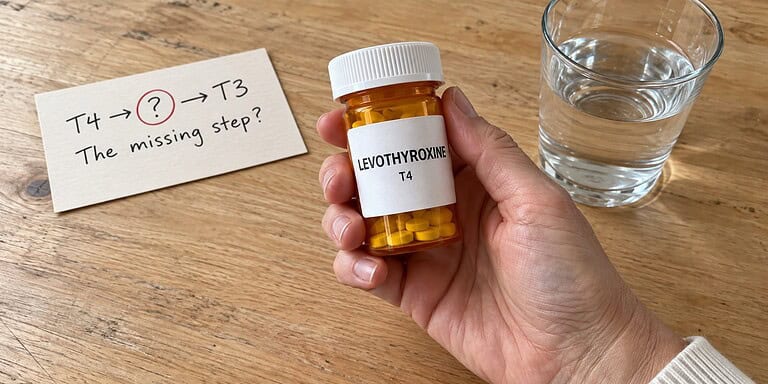
T4 is the storage form of thyroid hormone that your thyroid gland produces. T3 is the active form that your cells actually use. The conversion of T4 to T3 is not automatic. It requires specific nutrients, and if those nutrients are missing from your diet, your thyroid cannot function at full capacity regardless of what your lab results show.
Selenium is the most critical nutrient for T4-to-T3 conversion.[30] Brazil nuts, tuna, eggs, and sardines are among the richest dietary sources. Zinc is another essential cofactor and is found in beef, pumpkin seeds, and shellfish. Deficiencies in either of these minerals are common in thyroid patients and are directly connected to ongoing symptoms even when thyroid hormone levels appear normal on labs. If you are not getting enough from food alone, a T3 conversion supplement can provide the targeted selenium and zinc needed to support optimal conversion.
Tyrosine is the amino acid that is literally one of the building blocks of thyroid hormone itself. Your thyroid cannot produce T4 or T3 without tyrosine. It is found in meat, dairy, eggs, fish, and legumes. A diet that is consistently low in quality protein is a diet that limits your thyroid’s ability to manufacture hormone. If your labs look acceptable but you still feel hypothyroid, your nutrient status is worth investigating.
Scientific References
1. Konturek PC, et al. (2011). Stress and the gut: pathophysiology, clinical consequences, diagnostic approach and treatment options. Journal of physiology and pharmacology : an official journal of the Polish Physiological Society.
2. Kotzampassi K, et al. (2014). Obesity as a consequence of gut bacteria and diet interactions. ISRN obesity. doi:10.1155/2014/651895.
3. Fenneman AC, et al. (2023). A Comprehensive Review of Thyroid Hormone Metabolism in the Gut and Its Clinical Implications. Thyroid : official journal of the American Thyroid Association. doi:10.1089/thy.2022.0491.
4. Konrad P, et al. (2018). [Thyroid dysfunction in patients with small intestinal bacterial overgrowth]. Polski merkuriusz lekarski : organ Polskiego Towarzystwa Lekarskiego.
5. Cromwell WC, et al. (2007). LDL Particle Number and Risk of Future Cardiovascular Disease in the Framingham Offspring Study – Implications for LDL Management. Journal of clinical lipidology. doi:10.1016/j.jacl.2007.10.001.
6. Krysiak R, et al. (2019). The Effect of Gluten-Free Diet on Thyroid Autoimmunity in Drug-Naïve Women with Hashimoto’s Thyroiditis: A Pilot Study. Experimental and clinical endocrinology & diabetes : official journal, German Society of Endocrinology [and] German Diabetes Association. doi:10.1055/a-0653-7108.
7. Bellisle F, et al. (1997). Meal frequency and energy balance. The British journal of nutrition. doi:10.1079/bjn19970104.
8. Benvenga S, et al. (2008). Altered intestinal absorption of L-thyroxine caused by coffee. Thyroid : official journal of the American Thyroid Association. doi:10.1089/thy.2007.0222.
9. Wiesner A, et al. (2021). Levothyroxine Interactions with Food and Dietary Supplements-A Systematic Review. Pharmaceuticals (Basel, Switzerland). doi:10.3390/ph14030206.
10. Adams KM, et al. (2010). Nutrition education in U.S. medical schools: latest update of a national survey. Academic medicine : journal of the Association of American Medical Colleges. doi:10.1097/ACM.0b013e3181eab71b.
11. Centers for Disease Control and Prevention (2014). Up to 40 percent of annual deaths from each of five leading US causes are preventable.
12. Morris ZS, et al. (2011). The answer is 17 years, what is the question: understanding time lags in translational research. Journal of the Royal Society of Medicine. doi:10.1258/jrsm.2011.110180.
13. Fernandez ML (2006). Dietary cholesterol provided by eggs and plasma lipoproteins in healthy populations. Current opinion in clinical nutrition and metabolic care. doi:10.1097/01.mco.0000171152.51034.bf.
14. Xi B, et al. (2014). Intake of fruit juice and incidence of type 2 diabetes: a systematic review and meta-analysis. PloS one. doi:10.1371/journal.pone.0093471.
15. Ullrich IH, et al. (1985). Effect of low-carbohydrate diets high in either fat or protein on thyroid function, plasma insulin, glucose, and triglycerides in healthy young adults. Journal of the American College of Nutrition. doi:10.1080/07315724.1985.10720087.
16. Malik VS, et al. (2010). Sugar-sweetened beverages and risk of metabolic syndrome and type 2 diabetes: a meta-analysis. Diabetes care. doi:10.2337/dc10-1079.
17. DiMeglio DP, et al. (2000). Liquid versus solid carbohydrate: effects on food intake and body weight. International journal of obesity and related metabolic disorders : journal of the International Association for the Study of Obesity. doi:10.1038/sj.ijo.0801229.
18. de Oliveira Leite AM, et al. (2013). Microbiological, technological and therapeutic properties of kefir: a natural probiotic beverage. Brazilian journal of microbiology : [publication of the Brazilian Society for Microbiology]. doi:10.1590/S1517-83822013000200001.
19. Weigle DS, et al. (2005). A high-protein diet induces sustained reductions in appetite, ad libitum caloric intake, and body weight despite compensatory changes in diurnal plasma leptin and ghrelin concentrations. The American journal of clinical nutrition. doi:10.1093/ajcn.82.1.41.
20. Doré C, et al. (1982). Prediction of energy requirements of obese patients after massive weight loss. Human nutrition. Clinical nutrition.
21. Nestler EJ (2005). The neurobiology of cocaine addiction. Science & practice perspectives. doi:10.1151/spp05314.
22. Sun Q, et al. (2007). A prospective study of trans fatty acids in erythrocytes and risk of coronary heart disease. Circulation. doi:10.1161/CIRCULATIONAHA.106.679985.
23. Sui X, et al. (2024). The influence of extended fasting on thyroid hormone: local and differentiated regulatory mechanisms. Frontiers in endocrinology. doi:10.3389/fendo.2024.1443051.
24. Sahdeo Prasad, et al. (2011). Turmeric, the Golden Spice.
25. Wang K, et al. (2018). Severely low serum magnesium is associated with increased risks of positive anti-thyroglobulin antibody and hypothyroidism: A cross-sectional study. Scientific reports. doi:10.1038/s41598-018-28362-5.
26. Fildes A, et al. (2015). Probability of an Obese Person Attaining Normal Body Weight: Cohort Study Using Electronic Health Records. American journal of public health. doi:10.2105/AJPH.2015.302773.
27. Fothergill E, et al. (2016). Persistent metabolic adaptation 6 years after “The Biggest Loser” competition. Obesity (Silver Spring, Md.). doi:10.1002/oby.21538.
28. Galanty A, et al. (2024). Do Brassica Vegetables Affect Thyroid Function?-A Comprehensive Systematic Review. International journal of molecular sciences. doi:10.3390/ijms25073988.
29. Huwiler VV, et al. (2024). Selenium Supplementation in Patients with Hashimoto Thyroiditis: A Systematic Review and Meta-Analysis of Randomized Clinical Trials. Thyroid : official journal of the American Thyroid Association. doi:10.1089/thy.2023.0556.
30. Kobayashi R, et al. (2021). Thyroid function in patients with selenium deficiency exhibits high free T4 to T3 ratio. Clinical pediatric endocrinology : case reports and clinical investigations : official journal of the Japanese Society for Pediatric Endocrinology. doi:10.1297/cpe.30.19.