Shop Thyroid Subclinical Hypothyroidism Supplements
A mildly elevated TSH with normal free T4 is called subclinical hypothyroidism. You can still feel tired, foggy, or unlike yourself. These formulas supply nutrients involved in thyroid hormone production and conversion, along with support for energy and sleep.
-
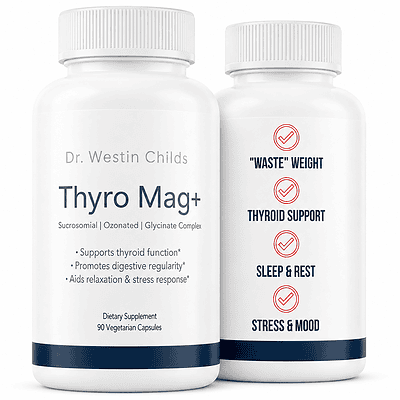
 $34.99 — or subscribe to save 10% Add to CartThyro Mag+Triple Magnesium Complex For Waste Weight, Regularity & Sleep (90 Count)800+ bought in past month
 -
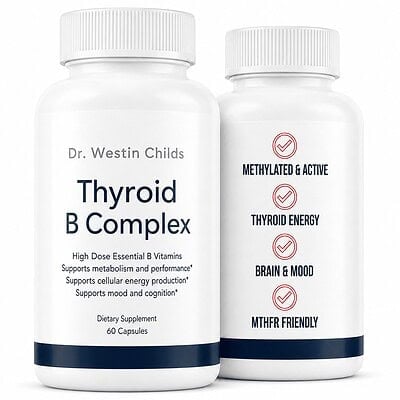
$34.99 — or subscribe to save 10% Add to CartThyroid B ComplexHigh Dose Pre-Methylated B Vitamins (60 Servings)300+ bought in past month
-
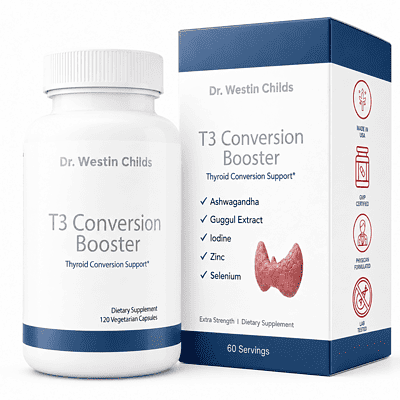
$43.99 — or subscribe to save 10% Add to CartT3 Conversion BoosterT3 Thyroid Support Supplement (60 Day Supply)750+ bought in past month
-
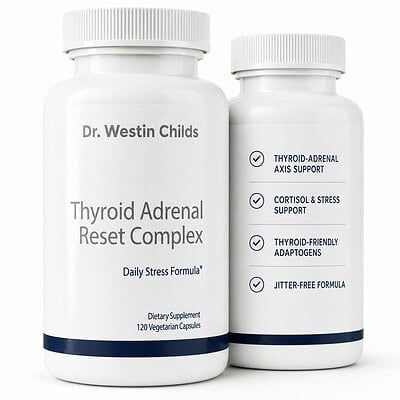
$44.99 — or subscribe to save 10% Add to CartThyroid Adrenal Reset ComplexCombination Adrenal & Thyroid Support (60 Day Supply)350+ bought in past month
-
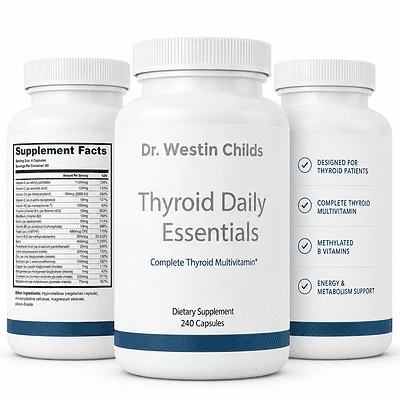
$69.99 — or subscribe to save 10% Add to CartThyroid Daily Essentials34 in 1 Complete Thyroid Multivitamin (60-Day Supply)350+ bought in past month
-
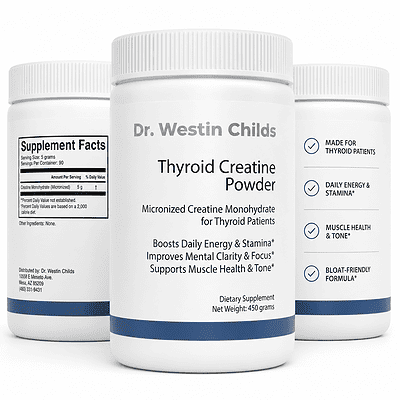
$35.00 — or subscribe to save 10% Add to CartThyroid Creatine PowderMicronized Creatine Monohydrate Designed for Thyroid Patients (90-Day Supply)
-
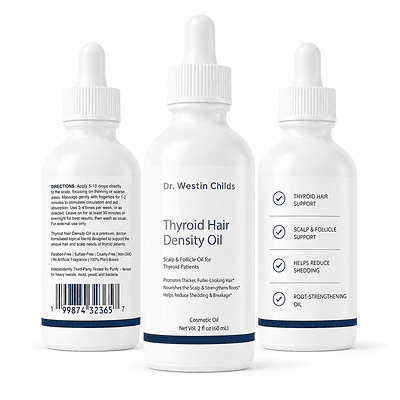
$34.99 — or subscribe to save 10% Add to CartThyroid Hair Density OilFollicle Support Treatment for Shedding & Thinning 2 oz
Benefits of subclinical hypothyroidism supplements
Optimize T4-to-T3 conversion with selenium and zinc
Subclinical hypothyroidism isn’t just about your thyroid gland slowing down. In many cases, the real problem is that your body can’t efficiently convert T4 into the active T3 your cells need.
Read more
The deiodinase enzymes that handle this conversion require selenium, zinc, and other cofactors that most people are deficient in. T3 Conversion Booster provides these nutrients at therapeutic doses specifically calibrated for thyroid patients, helping your body make better use of the thyroid hormones you’re already producing.
A multivitamin for thyroid nutrients
Your thyroid gland requires a very specific set of nutrients to produce hormones: iodine, selenium, zinc, iron, vitamin D, and more. When any of these are low, your thyroid has to work harder to keep up, which is exactly what pushes TSH higher.
Read more
Thyroid Daily Essentials is a 34-in-1 multivitamin formulated specifically for thyroid patients, not the general population. It provides every key nutrient your thyroid needs in the right forms and doses. For subclinical patients who aren’t on medication yet, optimizing these nutrients can make a real difference in how your thyroid performs.
Support stress response and adrenal function
Your adrenal glands and thyroid are intimately connected. When your thyroid starts to slow down, your adrenals pick up the slack by pumping out more cortisol.
Read more
Over time, this creates adrenal fatigue on top of your thyroid dysfunction. Thyroid Adrenal Reset Complex contains adaptogenic herbs and adrenal-supporting nutrients that help normalize your stress response so your entire hormonal system can recover together. You can’t fully fix the thyroid without addressing the adrenals.
Usable with all thyroid medications
I designed every single one of these formulas with thyroid patients in mind. Whether you’re currently on thyroid medication or your doctor hasn’t started you on anything yet, these supplements are safe and effective.
Read more
They work alongside Synthroid, levothyroxine, NDT formulations like Armour and NP Thyroid, liothyronine, and any combination of T4 + T3. And if you’re in the “watch and wait” phase with no medication, these supplements are especially powerful because they give your thyroid the support it needs to potentially avoid medication altogether.
Replenish magnesium for energy, sleep, and metabolism
Magnesium deficiency is rampant in thyroid patients, and it directly worsens many of the symptoms you’re already dealing with: fatigue, poor sleep, anxiety, muscle cramps, and sluggish metabolism.
Read more
Your body uses magnesium in over 300 enzymatic reactions, including several involved in thyroid hormone production and activation. Thyro Mag+ provides three highly absorbable forms of magnesium specifically selected for thyroid patients.
B vitamins for energy and concentration
Brain fog and fatigue are two of the hallmark symptoms of subclinical hypothyroidism, and B vitamin deficiency makes both of them significantly worse.
Read more
The problem is that up to 40% of the population has MTHFR gene variants that impair their ability to convert standard B vitamins into their active forms. Thyroid B Complex provides pre-methylated B vitamins that bypass this genetic bottleneck entirely, delivering the active forms your brain and nervous system can use immediately. The difference in mental clarity and energy can be dramatic.
Supporting your thyroid while monitoring your labs
Most doctors treat subclinical hypothyroidism with a "wait and see" approach, which is just a polite way of saying "come back when it gets bad enough for medication."
Read more
I think that’s terrible advice. The subclinical phase is your WINDOW OF OPPORTUNITY to intervene with nutrition, lifestyle, and targeted supplementation before your thyroid function declines further. This supplement lineup addresses the most common causes: nutrient deficiencies, poor T4-to-T3 conversion, adrenal dysfunction, and magnesium depletion. Addressing all of these simultaneously gives your thyroid the best possible chance of recovery.
Research-backed ingredients
These subclinical hypothyroidism supplements feature selenium at doses shown to reduce TSH and support thyroid peroxidase activity, zinc in its most bioavailable form for thyroid hormone synthesis, pre-methylated B vitamins that bypass common genetic variants like MTHFR, triple magnesium complex for superior absorption and broad-spectrum support, and adaptogenic herbs with published research on HPA axis normalization.
Physician formulated
Designed specifically for the unique needs of thyroid patients
Third-party tested
Our supplements undergo third-party testing for heavy metals, microbes, and mold.
Manufactured in the USA
All of our supplements are manufactured in an NSF-certified, GMP-compliant facility in the USA.
A few common questions
Before you order
What exactly is subclinical hypothyroidism?
Subclinical hypothyroidism means your TSH is above the lab’s reference range while free T4 is still normal. Your pituitary is asking your thyroid to work harder to maintain hormone levels. Some people have symptoms such as fatigue or brain fog, while others don’t. Supporting nutrient intake is one part of caring for your thyroid while those levels are monitored.
Can supplements actually help lower my TSH?
They can, especially in the subclinical range. Here’s why: if your TSH is elevated because your thyroid is struggling due to nutrient deficiencies, that’s a problem supplementation can directly address. Selenium, zinc, iodine, and vitamin D all play critical roles in thyroid hormone production and conversion. When these nutrients are optimized, your thyroid doesn’t have to work as hard, which can naturally bring TSH down. That said, supplements aren’t a guarantee, and I always recommend monitoring your labs every 6-8 weeks so you can see exactly how you’re responding.
I’m not on medication yet. Are these supplements safe to take on their own?
These formulas can provide nutritional support even if you aren’t taking thyroid medication. Thyroid Daily Essentials supplies nutrients used in thyroid function, and T3 Conversion Booster supports conversion. Nutritional support and follow-up thyroid testing can be used together during this stage.
How long until I notice a difference?
Magnesium and B vitamins tend to produce noticeable improvements in energy, sleep, and mental clarity within the first 1-2 weeks. T3 Conversion Booster and Thyroid Daily Essentials work on a slightly longer timeline since they’re supporting enzymatic processes and filling nutrient stores, so expect 4-6 weeks for meaningful changes in how you feel. Adrenal support typically takes 4-8 weeks to fully kick in. For lab changes (like TSH improvements), I recommend rechecking at the 8-12 week mark. Give the full protocol at least 60-90 days before evaluating whether it’s working for you.
Which supplement should I start with?
Thyroid Daily Essentials and T3 Conversion Booster provide support for daily thyroid nutrition and active hormone production. Thyro Mag+ adds magnesium for sleep, muscle function, and relaxation. For fatigue and concentration, Thyroid B Complex supplies activated B vitamins used in energy production.
Will subclinical hypothyroidism always progress to full hypothyroidism?
Not necessarily, and that’s the good news. Studies show that subclinical hypothyroidism progresses to overt hypothyroidism in about 2-5% of patients per year. But that also means the majority of subclinical patients DON’T progress, especially if they address the underlying causes early. The biggest risk factors for progression are having thyroid antibodies (which suggests Hashimoto’s as the underlying cause) and having a TSH above 10. If your TSH is mildly elevated and you don’t have antibodies, the odds of recovery with the right interventions are actually quite good. That’s why I’m such a strong advocate for aggressive nutritional support in the subclinical phase.
Thyroid Daily Essentials provides daily thyroid nutrients, and T3 Conversion Booster focuses on the conversion of T4 into active T3. This gives you nutritional support while your thyroid levels are being monitored.
Shop Thyroid Subclinical Hypothyroidism Supplements →